Virginia Stabbing Highlights Systemic Failures to Protect Vulnerable Populations
The murder of Stephanie Minter raises questions about the cycle of poverty, lack of support for victims, and the need for comprehensive social safety nets.
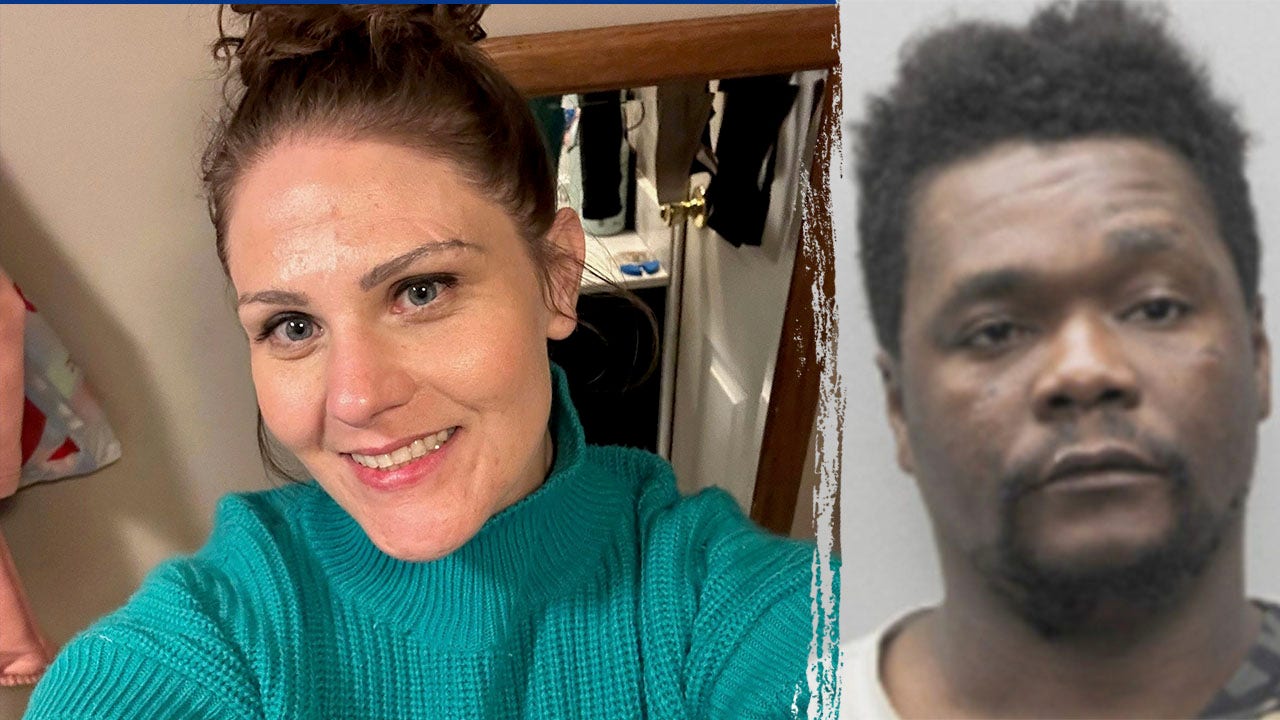
The tragic death of Stephanie Minter, 41, at a Fairfax County bus stop has ignited a conversation about systemic failures in protecting vulnerable populations and addressing the root causes of crime. Abdul Jalloh, 32, has been charged with Minter's murder, but his extensive history of arrests, often resulting in dropped charges, points to deeper societal issues that demand urgent attention.
Minter's obituary describes her as “a beam of light in dark places,” highlighting the loss of a valuable member of the community. Her death underscores the vulnerability of individuals reliant on public transportation and the need for safe and accessible public spaces.
Jalloh's history of arrests for offenses like petty larceny and malicious wounding suggests a potential cycle of poverty and lack of opportunity. The fact that many of these charges were dropped raises concerns about the challenges of prosecuting cases involving marginalized individuals, as noted by Fairfax County Commonwealth's Attorney's office. Laura Birnbaum, chief of staff, stated that they were often unable to proceed with prosecution because victims could not be located or contacted, further illustrating the precariousness of individuals without fixed addresses.
This tragedy is not an isolated incident. It reflects broader trends of economic inequality and inadequate support systems for those most at risk. The lack of affordable housing, accessible mental health services, and job training opportunities can create conditions that lead to crime and violence. The defunding of social programs over the past few decades has disproportionately impacted vulnerable communities, leaving individuals with limited options and increasing their risk of becoming both victims and perpetrators of crime.
Progressive approaches to criminal justice reform emphasize addressing the root causes of crime through social programs and community-based interventions. Investments in affordable housing, job training, mental health services, and substance abuse treatment can help break the cycle of poverty and reduce crime rates. Restorative justice practices, which focus on repairing harm and addressing the needs of victims and offenders, can offer a more humane and effective alternative to traditional punitive measures.
Furthermore, the Minter case highlights the importance of robust support systems for victims of crime, particularly those who are unhoused or lack stable housing. Victim advocacy services, legal aid, and financial assistance can help victims rebuild their lives and ensure that they have access to justice. It is also crucial to address the stigma and discrimination faced by individuals experiencing homelessness, as this can prevent them from seeking help and accessing resources.
The focus should shift from solely punishing offenders to creating a society where everyone has the opportunity to thrive. Only through comprehensive social and economic reforms can we truly address the root causes of crime and create safer and more just communities for all.
The investigation is ongoing.
Sources: * Fairfax County Police Department * National Low Income Housing Coalition * The Sentencing Project