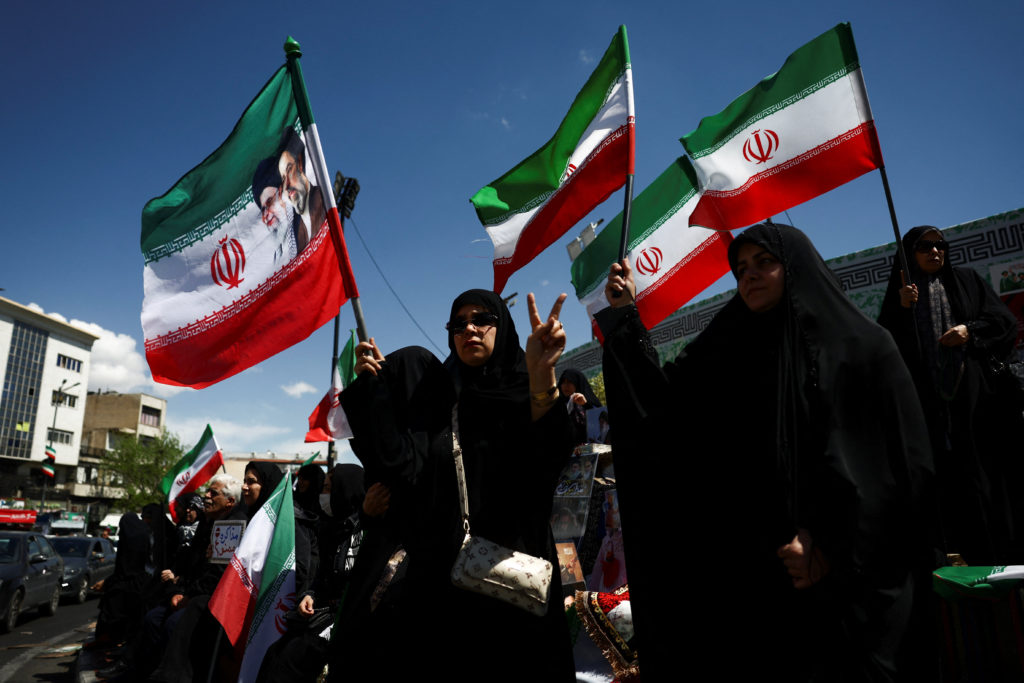
VP Acknowledges Iran's 'Misunderstanding' on Lebanon, Raising Concerns About Regional Equity
The Vice President's statement about Iran's 'legitimate misunderstanding' regarding Lebanon in ceasefire talks sparks debate on equitable representation and regional power dynamics.

Washington D.C. - The U.S. Vice President's recent acknowledgment of Iran's 'legitimate misunderstanding' concerning Lebanon's inclusion in a ceasefire agreement has ignited discussion about fair representation and the historical imbalances of power in the region. This admission highlights the crucial need for inclusive negotiations that prioritize the voices of all stakeholders, particularly those from smaller nations like Lebanon, which often face marginalization in global power plays.
Lebanon's history is deeply intertwined with external interference and internal divisions. The country has long been a battleground for regional powers, experiencing political instability and economic hardship. The presence of various political factions, including Hezbollah, further complicates Lebanon's position. Any ceasefire agreement that fails to adequately address Lebanon's unique circumstances risks perpetuating existing inequalities.
Progressive analysts argue that the 'misunderstanding' cited by the Vice President may reflect a broader pattern of overlooking the interests and concerns of smaller nations in favor of geopolitical expediency. This raises questions about the principles of equity and justice in international diplomacy. For a ceasefire to be truly effective and sustainable, it must address the root causes of conflict and ensure that all parties have a stake in the outcome.
The U.S. has a moral obligation to promote inclusive and equitable solutions in the Middle East. This requires not only addressing immediate security concerns but also fostering long-term economic and social development. Investing in education, healthcare, and infrastructure in countries like Lebanon is essential for creating a more stable and just society.
The Vice President's statement serves as a reminder of the complexities of navigating international relations. It also underscores the importance of ensuring that all voices are heard and respected in the pursuit of peace. A truly progressive foreign policy must prioritize human rights, social justice, and environmental sustainability.
Critics of the U.S. approach argue that its focus on military intervention and geopolitical maneuvering has often exacerbated existing inequalities in the region. They call for a shift towards diplomacy, development aid, and support for grassroots movements that are working to build a more just and equitable society. Only through such a comprehensive approach can lasting peace be achieved.
Many progressive groups are calling for greater transparency in the ceasefire negotiations. They argue that the public has a right to know the details of the agreement and the rationale behind key decisions. This is essential for holding policymakers accountable and ensuring that the agreement serves the interests of all parties involved.
The 'misunderstanding' cited by the Vice President should serve as a wake-up call for policymakers. It highlights the need for a more nuanced and inclusive approach to diplomacy in the Middle East. This requires not only addressing immediate security concerns but also fostering long-term economic and social development. Only through such a comprehensive approach can lasting peace be achieved. The well-being of Lebanon and its people must be at the forefront of all discussions and decisions.
The need for an equitable solution is paramount. The U.S. must prioritize dialogue, understanding, and mutual respect to foster a more stable and just society. A future where Lebanon can thrive without external interference and internal conflict is within reach, but it requires a commitment to progressive values and a willingness to challenge the status quo.