War Crimes Charges Highlight Systemic Issues in Australian Military
Ben Roberts-Smith's detention raises questions about accountability and oversight of special forces in Afghanistan.
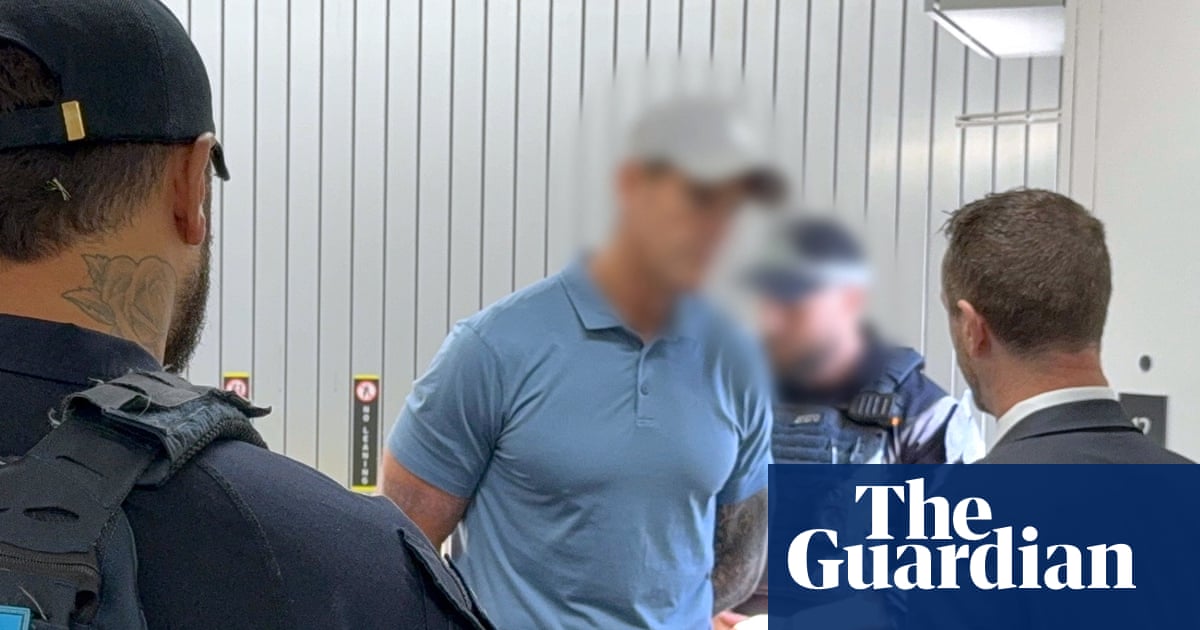
The arrest of Ben Roberts-Smith, a decorated former SAS soldier, on war crimes charges, serves as a stark reminder of the potential for abuse within military structures and the urgent need for systemic reform. Roberts-Smith, who faces five counts of murder related to alleged offenses in Afghanistan between 2009 and 2012, did not apply for bail and will remain in custody.
His arrest underscores the importance of independent investigations into allegations of misconduct by Australian soldiers in Afghanistan. These allegations, if proven, would represent a grave violation of international law and a betrayal of the values that the Australian military is supposed to uphold.
The charges against Roberts-Smith are not an isolated incident. They are the culmination of years of investigations and reports detailing a pattern of alleged misconduct by special forces personnel in Afghanistan. These reports have raised serious questions about the culture within these units and the effectiveness of oversight mechanisms.
Critics argue that the intense pressure to achieve results in the war in Afghanistan may have contributed to a climate in which ethical boundaries were blurred and unlawful actions were tolerated, or even encouraged. They point to the need for greater emphasis on human rights and the laws of war in military training and operations.
The Roberts-Smith case also highlights the challenges of holding powerful individuals and institutions accountable for their actions. The military is often reluctant to investigate and prosecute its own members, and there can be significant obstacles to obtaining evidence and securing convictions in war crimes cases.
Advocates for human rights and social justice argue that the Australian government has a moral and legal obligation to fully investigate all allegations of war crimes and to bring those responsible to justice. They also call for greater support for victims of alleged abuses and for measures to prevent similar incidents from happening in the future.
Furthermore, the case raises important questions about the impact of war on soldiers and the need for adequate mental health support for veterans. Many soldiers who served in Afghanistan experienced trauma and moral injury, which can contribute to a range of problems, including substance abuse, depression, and suicide.


