War Deepens Social Wounds in Iran, Exposing Fault Lines in Families
Foreign intervention and domestic repression exacerbate existing inequalities, fracturing communities and isolating individuals.
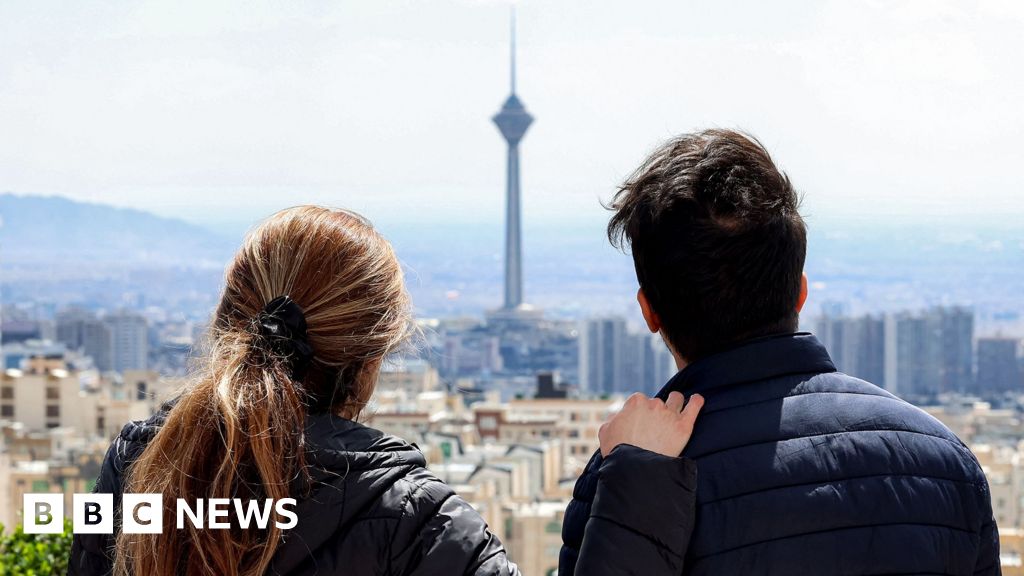
Tehran - The ongoing military conflict is not only inflicting physical damage on Iran but is also widening social rifts, exposing and deepening existing inequalities within Iranian families and communities. Accounts obtained by the BBC reveal that the violence has triggered intense emotional reactions, leading to fractured relationships and increased isolation, particularly among those most vulnerable to state repression.
The story of Sina's family highlights the human cost of political division. The uncle's role as a member of the Basij, a paramilitary force known for suppressing dissent, places him in direct opposition to his sister, who dissents from the regime. This conflict reflects the broader struggle within Iranian society between those who uphold the current power structure and those who seek change.
Even among those who oppose the government, there is no consensus on whether the war will ultimately benefit or hinder their cause. This lack of unity underscores the complexity of the situation and the challenges facing those who advocate for social justice and democratic reform.
The government-imposed internet blackout further isolates individuals and limits their ability to connect with others and organize for change. The threat of imprisonment for speaking to international media creates a climate of fear and self-censorship, silencing critical voices and hindering the free flow of information.
The Nowruz holiday, traditionally a time for family unity and celebration, has been overshadowed by conflict and division. Sina's account of his uncle's attendance at the family gathering, despite his past absences and strained relationships, suggests a growing sense of desperation and uncertainty among those who support the regime.
The high number of protester deaths and arrests, reported by HRANA, reveals the brutal tactics used by the government to suppress dissent. This repression disproportionately affects marginalized communities and those who speak out against injustice. The uncle's statement that he would not claim the bodies of his own children if they were killed during protests underscores the severity of the government's crackdown and the deep fear it inspires.
Kaveh's experience of spending Nowruz alone reflects the growing social isolation and alienation felt by many Iranians. The war and the government's repressive policies are tearing apart the social fabric, leaving individuals feeling disconnected and vulnerable.
The international community must hold the Iranian government accountable for its human rights abuses and its suppression of dissent. Efforts to promote peace and stability in the region must address the root causes of conflict and support the Iranian people in their struggle for freedom and social justice. We must also remember the disproportionate impact of these policies on vulnerable communities, and ensure that aid reaches those who need it most.
Ultimately, a lasting solution to the conflict in Iran requires a commitment to human rights, social justice, and democratic reform. The voices of those who are struggling for change must be amplified, and their efforts supported. Only then can Iran move towards a more just and equitable future.