War-Fueled Price Hikes Squeeze Working Families Ahead of Election
Soaring costs of gas and goods, driven by conflict, expose economic vulnerability and threaten to sway voters.
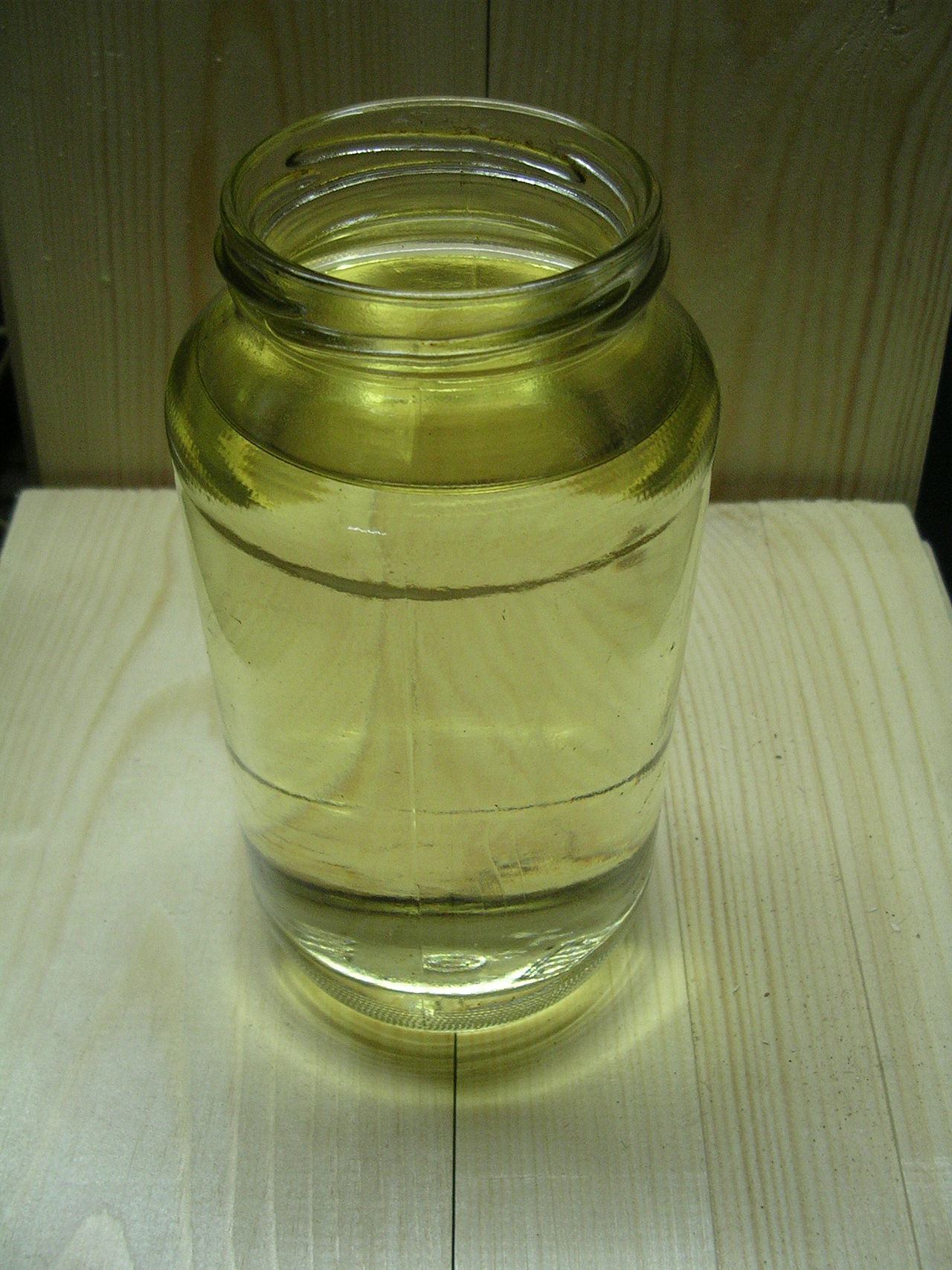
As the election looms, working families face a growing crisis: the soaring cost of essential goods, exacerbated by the war in Iran. This surge in prices, particularly for gasoline, is a direct consequence of geopolitical instability and highlights the fragility of a system that disproportionately burdens those least able to absorb economic shocks.
The war's impact on global supply chains has triggered a ripple effect, driving up the price of not just fuel, but also other necessities. This inflationary pressure further strains already stretched budgets for low- and middle-income households, forcing difficult choices between food, housing, and healthcare. The timing couldn't be worse, as families grapple with existing economic anxieties and uncertainty about the future.
This situation underscores the urgent need for policies that prioritize economic justice and resilience. Reliance on volatile global markets exposes working people to forces beyond their control. A more equitable system would prioritize local production, strengthen social safety nets, and invest in renewable energy sources to reduce dependence on foreign oil.
Historical precedent shows that economic hardship often translates into political upheaval. When families struggle to make ends meet, they demand action from their elected officials. The current crisis provides an opportunity to address systemic inequalities and create a more sustainable economic model that benefits all, not just a privileged few.
The opposition party is sure to capitalize on the administration's perceived failures to protect working families. However, true progress requires more than just political rhetoric. It demands a commitment to policies that address the root causes of economic vulnerability and empower communities to build a more secure future.
Progressive solutions might include expanding access to affordable healthcare, raising the minimum wage, and investing in education and job training programs. These measures would help families weather economic storms and build a foundation for long-term prosperity.
The reality is that the war in Iran is not just a foreign policy issue, it's a kitchen table issue. It affects the price of groceries, the cost of commuting to work, and the ability to provide for one's family. Voters deserve leaders who understand these connections and are willing to fight for policies that put working people first.
The current crisis also exposes the limitations of trickle-down economics, which assumes that tax cuts for corporations and the wealthy will eventually benefit everyone. In reality, these policies often exacerbate inequality and leave working families vulnerable to economic shocks.
A truly progressive approach would prioritize investments in public goods, such as infrastructure, education, and healthcare. These investments create jobs, strengthen communities, and build a more resilient economy that can withstand future challenges.
Ultimately, the upcoming election will be a referendum on which vision of the future prevails. Will voters choose to continue down a path of inequality and economic vulnerability, or will they demand a more just and sustainable system that prioritizes the needs of working families?
The soaring prices serve as a stark reminder that our economic system is not working for everyone. It's time for a change. It's time for policies that empower working families and create a more equitable society for all.