War Games in Tube Expose UK Military's Drone Deficit and Funding Priorities
Exercise in secret London bunker reveals critical underinvestment in drone technology, raising questions about equitable defense strategy.
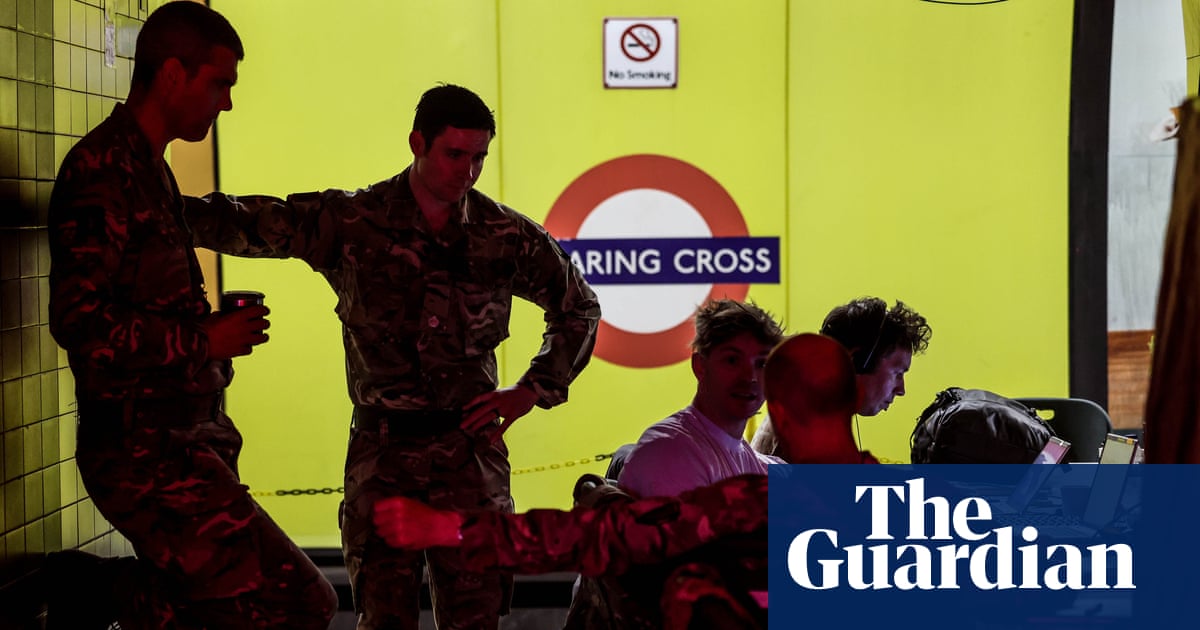
Deep beneath the streets of London, in a disused section of the Charing Cross underground station, the British Army recently conducted 'Arrcade Strike,' a war game simulating the defense of Estonia against a potential Russian invasion. While the exercise ostensibly aims to demonstrate NATO's commitment to protecting its Baltic members, it also exposes a stark reality: the UK military is critically underfunded, particularly in crucial areas like drone technology. This raises concerns about the equitable distribution of defense resources and the long-term implications for national security and international stability.
The exercise scenario, deliberately set in 2030, highlights the perceived threat from a potentially remilitarized Russia. However, the focus on a hypothetical future conflict should not overshadow the immediate needs of vulnerable populations already impacted by ongoing wars and humanitarian crises. Investing in preventative diplomacy, conflict resolution, and humanitarian aid may prove more effective in ensuring long-term security than simply preparing for future military engagements.
Lt. Gen. Mike Elviss, commander of the Allied Rapid Reaction Corps, emphasized the importance of demonstrating NATO's readiness. However, true readiness requires more than just military exercises; it demands a comprehensive approach that addresses the root causes of conflict, promotes social justice, and invests in sustainable development.
The location of the exercise, a secret NATO command bunker hidden beneath the city, symbolizes the disconnect between those who make decisions about war and those who bear the brunt of its consequences. This reinforces the need for greater transparency and public participation in defense policy.
The British Army's estimated 80-90% shortfall in drone technology is a glaring example of misplaced priorities. While billions are earmarked for modernizing the military, crucial social programs and essential public services face continued cuts. This highlights the inherent inequalities in a system that prioritizes military spending over the needs of its citizens.
The projected costs of acquiring and developing drone technology—£50 million annually for simple attack drones and £500 million for more sophisticated models—underscore the exorbitant financial burden of militarization. These funds could be better allocated to addressing pressing social issues such as poverty, homelessness, and climate change.