War in Iran Exacerbates Economic Inequality as Prices Surge for Working Families
While corporations and the wealthy are shielded, the war's impact on gas, groceries, and essential goods disproportionately burdens low-income communities already struggling with affordability.
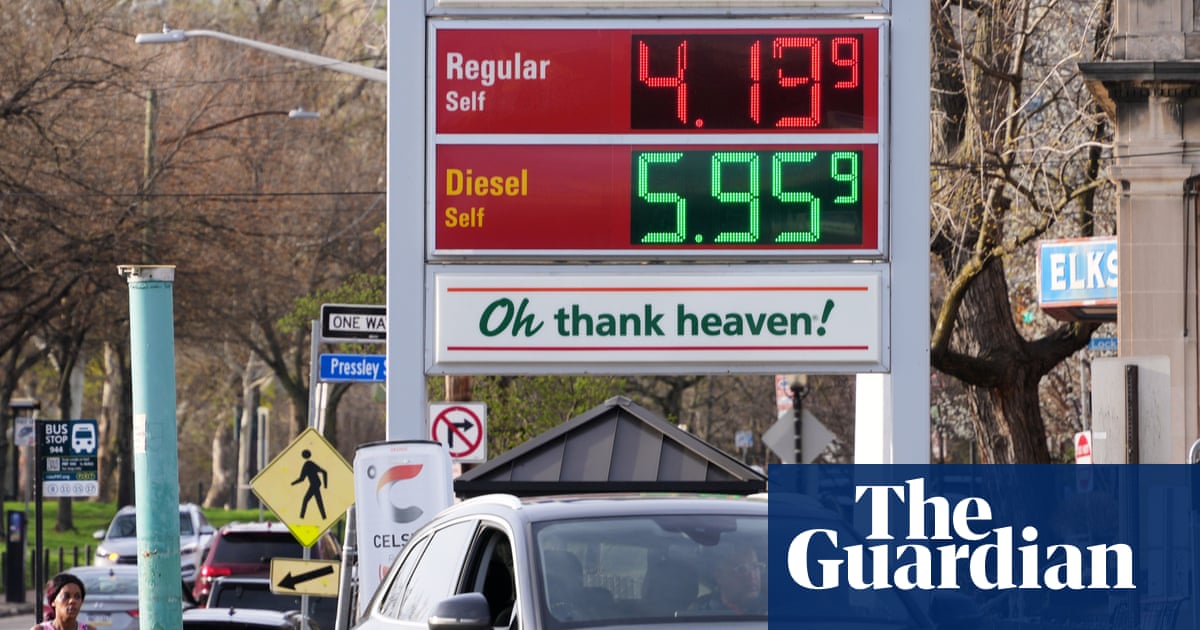
Washington D.C. - The ongoing war in Iran is not just a geopolitical crisis, but an economic one that threatens to deepen existing inequalities within the United States. As gasoline prices soar and the cost of essential goods rises, working families and marginalized communities are bearing the brunt of the conflict's economic fallout.
While President Trump attempts to downplay the situation, claiming U.S. energy independence, experts like Samantha Gross from the Brookings Institute rightly point out that global markets dictate prices. This means that despite domestic oil production, Americans are still vulnerable to price increases triggered by disruptions like the war in Iran and the control of the Strait of Hormuz.
The consequences are far-reaching. Increased gas prices disproportionately affect low-income individuals who rely on personal vehicles for transportation to work and essential services. Rising diesel prices, impacting agriculture, translate directly into higher grocery bills, further straining already tight budgets.
Christopher Tang, a professor at UCLA Anderson School of Management, warns that these price increases are just the beginning. This reality underscores the systemic vulnerability of the U.S. economy to global events, especially when considering the concentration of power in the hands of a few multinational corporations.
Companies like Amazon, UPS, and FedEx are already implementing surcharges, passing the cost burden onto consumers and small businesses. While the U.S. Postal Service's surcharge is comparatively lower, even this seemingly small increase adds to the cumulative pressure on families struggling to make ends meet.
Economist David Bieri from Virginia Tech highlights the temporary relief provided by strategic oil reserves, but correctly notes that replenishing these reserves at higher prices will only perpetuate the cycle of inflation. This short-term fix does nothing to address the underlying issues of economic inequality and dependence on fossil fuels.
The war in Iran serves as a stark reminder of the interconnectedness of global events and their impact on local communities. It also exposes the fragility of an economic system that prioritizes profit over people. A just and equitable response requires not just addressing the immediate crisis, but implementing long-term solutions that promote energy independence, support working families, and reduce income inequality.