War Profiteering and Occupation Deny Lebanese Families Dignified Burial Rites
Israeli expansion in southern Lebanon forces displaced communities to abandon ancestral traditions and bury their dead in temporary, dehumanizing graves.
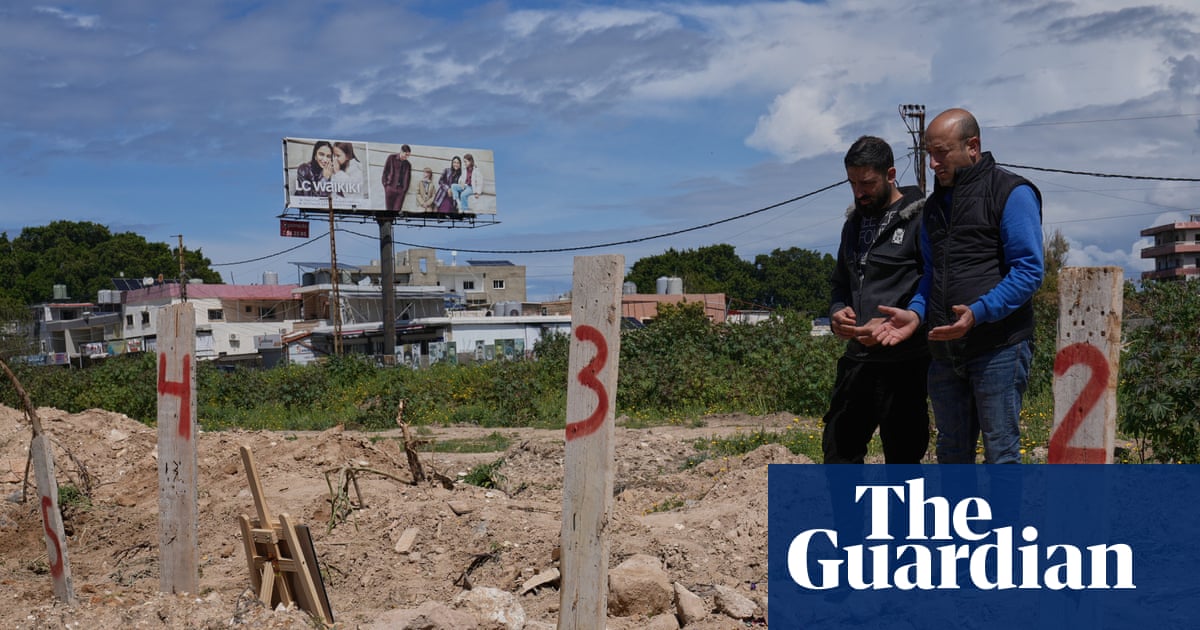
Tyre, Lebanon – The ongoing Israeli invasion of southern Lebanon has not only displaced communities and destroyed infrastructure but has also struck at the heart of Lebanese culture by denying families the right to conduct traditional funeral rites. As the conflict escalates, families are forced to bury their loved ones in temporary, mass graves far from their ancestral lands, highlighting the devastating human cost of war and occupation.
Lebanese funeral traditions are deeply rooted in community and connection to the land. The deceased are typically given a final farewell as their casket is carried through the streets of their hometown, allowing loved ones to pay their respects and honor their life. This act of communal mourning is a vital part of the grieving process, reinforcing social bonds and cultural identity. In south Lebanon, the ongoing conflict has severed these ties, forcing families to abandon these deeply meaningful rituals.
The Israeli military's ground invasion has created a humanitarian crisis, forcing residents to flee their homes and seek refuge further north. In Tyre, temporary graveyards have been hastily established to accommodate the growing number of dead. These graves are a stark contrast to the meticulously maintained family plots that are customary in Lebanese culture. Marked with only spray-painted numbers on wooden boards, these temporary burial sites offer little solace to grieving families who are already traumatized by loss and displacement.
Rabih Koubaissi, a resident of Tyre who has remained behind to supervise the burials, highlights the profound disruption to Islamic tradition. While Islamic jurisprudence allows for exceptions during wartime, such as the practice of wadiaa (temporary burial in a casket), these measures are seen as a last resort. The ideal, according to Islamic tradition, is for the body to be washed, shrouded, and placed directly into the earth in their ancestral homeland.
Koubaissi emphasizes the importance of ancestral burial grounds in Lebanese culture. They represent a deep connection to the land, heritage, and a sense of belonging. The current situation, where families are forced to bury their loved ones far from home, is a painful reminder of the loss and displacement caused by the conflict. "People have emotional attachment – they want their loved ones buried in their ancestral land. It reflects belonging, heritage and presence," he said.


