War Profiteering Fuels Inflation Surge, Burdening Working Families
The war in Iran drives up energy costs, disproportionately impacting low-income households already struggling with rising prices and stagnant wages.
Washington D.C. - The latest consumer price index (CPI) reveals a troubling reality: inflation is soaring, hitting 3.8% in April, the highest rate since May 2023. But behind this number lies a deeper story of how geopolitical conflicts and corporate profiteering exacerbate economic inequality, leaving working families struggling to make ends meet.
The Bureau of Labor Statistics (BLS) confirms that rising energy costs, fueled by the US-Iran war and the resulting disruptions to global supply chains through the Strait of Hormuz, are a primary driver of this inflation. While war may generate profits for defense contractors and oil companies, it translates to hardship for everyday Americans, particularly those in low-income communities.
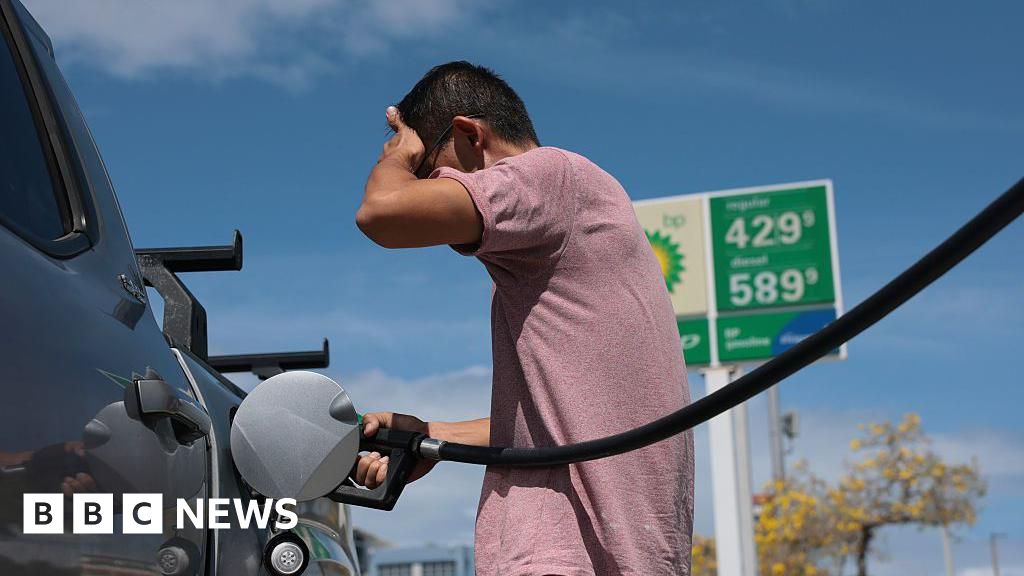
The national average price for a gallon of unleaded gasoline reached a staggering $4.50 in April, a level not seen since July 2022, according to AAA. This increase disproportionately affects working-class individuals who rely on their vehicles to commute to work and access essential services. Combined with rising housing and food costs, the inflation surge creates a perfect storm of economic insecurity.
For decades, wages have stagnated while the cost of living has steadily increased. This dynamic has widened the gap between the rich and the poor, leaving millions vulnerable to economic shocks like the current inflation crisis. Policies that prioritize corporate profits over worker well-being have contributed to this inequality.
The Federal Reserve's response to inflation, typically involving interest rate hikes, risks further harming working families. Higher interest rates can lead to job losses and make it more difficult for people to afford housing and other essential expenses. A more equitable approach would focus on addressing the root causes of inflation, such as excessive corporate power and speculative financial practices.
President Trump's focus on cutting inflation rings hollow when his policies continue to benefit the wealthy at the expense of working people. The upcoming midterm elections offer an opportunity to elect leaders who will prioritize policies that support economic justice and address the systemic inequalities that fuel inflation.
Beyond energy, rising air fares and clothing prices further strain household budgets. While the price of new cars has slightly decreased, the overall cost of transportation remains a significant burden for many families. The current inflation crisis underscores the need for policies that promote affordability and expand access to essential goods and services.
Progressive economists argue that addressing inflation requires a multi-pronged approach, including price controls on essential goods, investments in renewable energy to reduce reliance on fossil fuels, and policies that promote fair wages and collective bargaining. Furthermore, reigning in corporate power and preventing price gouging are crucial steps toward creating a more just and sustainable economy.
The impact of the war in Iran highlights the interconnectedness of global politics and domestic economic policy. Military interventions abroad often have unintended consequences for working families at home, underscoring the need for a foreign policy that prioritizes peace and diplomacy.
The rising cost of living is driving more people into poverty and exacerbating existing inequalities. Policymakers must take bold action to address the root causes of inflation and create an economy that works for everyone, not just the wealthy few.
The current economic environment demands a shift in priorities. We need policies that invest in working families, protect consumers from predatory pricing, and ensure that everyone has access to the resources they need to thrive. The fight for economic justice is more urgent than ever.
The BLS data provides a stark reminder of the challenges facing working families. It's time for policymakers to listen to the voices of those who are struggling and implement policies that promote a more equitable and sustainable economy.