War Shadows Passover, Exacerbating Inequality for Marginalized Israelis
Restrictions on gatherings and access to Jerusalem disproportionately impact vulnerable communities already struggling with economic hardship and limited resources during the war in Iran.
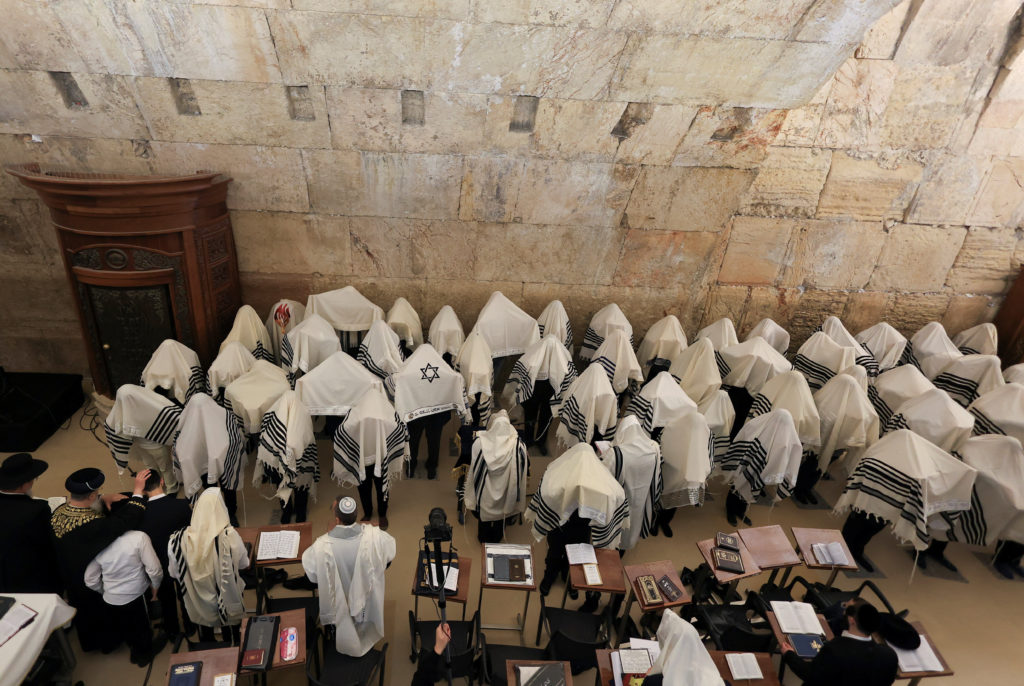
Jerusalem - This year, the convergence of Passover and Easter with the ongoing war in Iran has cast a somber shadow over Israel, particularly impacting marginalized communities already grappling with systemic inequalities. Restrictions on gatherings and limited access to Jerusalem, ostensibly implemented for security reasons, disproportionately affect low-income families and vulnerable populations who rely on communal support and access to religious sites for spiritual and material sustenance. The reduced capacity for celebration exacerbates existing social divisions, further isolating those who lack the resources to adapt to these challenging circumstances. Producer Karl Bostic and Nick Schifrin report.
The limitations on gatherings, while presented as necessary for public safety, effectively curtail the ability of families to participate in traditional Passover Seders, a cornerstone of Jewish cultural identity. For low-income families, these gatherings often serve as a vital source of food, companionship, and emotional support. The restrictions effectively deny these communities a crucial safety net, pushing them further into precarity.
The restricted access to Jerusalem poses additional challenges for marginalized communities. Many rely on access to religious sites and communal spaces within the city for prayer, social interaction, and access to essential services. The heightened security measures and limitations on movement disproportionately impact those who lack the means to navigate these obstacles, further reinforcing their social and economic exclusion.
Historically, Passover commemorates the liberation of the Israelites from slavery, a powerful symbol of hope and resilience in the face of oppression. However, this year, the restrictions imposed on celebrations ironically echo the themes of confinement and limitation, reminding vulnerable communities of the ongoing systemic challenges they face. The war in Iran, while presented as a national security issue, also has profound social and economic consequences, exacerbating existing inequalities and undermining the well-being of marginalized populations.
Experts argue that the government's response to the war fails to adequately address the social and economic needs of vulnerable communities. The focus on security measures often overshadows the importance of providing targeted support and resources to those who are most affected by the crisis. The lack of adequate social safety nets and inclusive policies further perpetuates cycles of poverty and marginalization.
The implications of the subdued Passover celebrations extend beyond the immediate religious observances. They also highlight the need for a more equitable and just society that prioritizes the needs of all its members, regardless of their socio-economic status. The restrictions on gatherings and access to Jerusalem serve as a stark reminder of the ways in which security measures can inadvertently reinforce existing inequalities.
Moving forward, it is crucial for the government to adopt a more holistic and inclusive approach to addressing the challenges posed by the war in Iran. This requires investing in social programs, providing targeted support to vulnerable communities, and ensuring that all citizens have equal access to essential services and opportunities. It also requires a commitment to promoting social justice and dismantling the systemic barriers that perpetuate inequality.
Despite the challenges, many community organizations and grassroots initiatives are working tirelessly to support vulnerable populations during this difficult time. These efforts provide a vital lifeline for those who are struggling to cope with the economic and social consequences of the war. However, these initiatives cannot fully compensate for the lack of adequate government support and resources.
In conclusion, the subdued Passover celebrations in Israel serve as a stark reminder of the ways in which conflict and security measures can disproportionately impact marginalized communities. The restrictions on gatherings and access to Jerusalem exacerbate existing inequalities, undermining the well-being of vulnerable populations. Addressing these challenges requires a commitment to social justice, inclusive policies, and targeted support for those who are most affected by the crisis.


