Watchdog Group Targets AOC with Complaint Over Campaign Funds Used for Mental Healthcare
Critics question 'leadership training' expenses as mental health advocates highlight the need to destigmatize seeking help and provide resources for campaign staff.
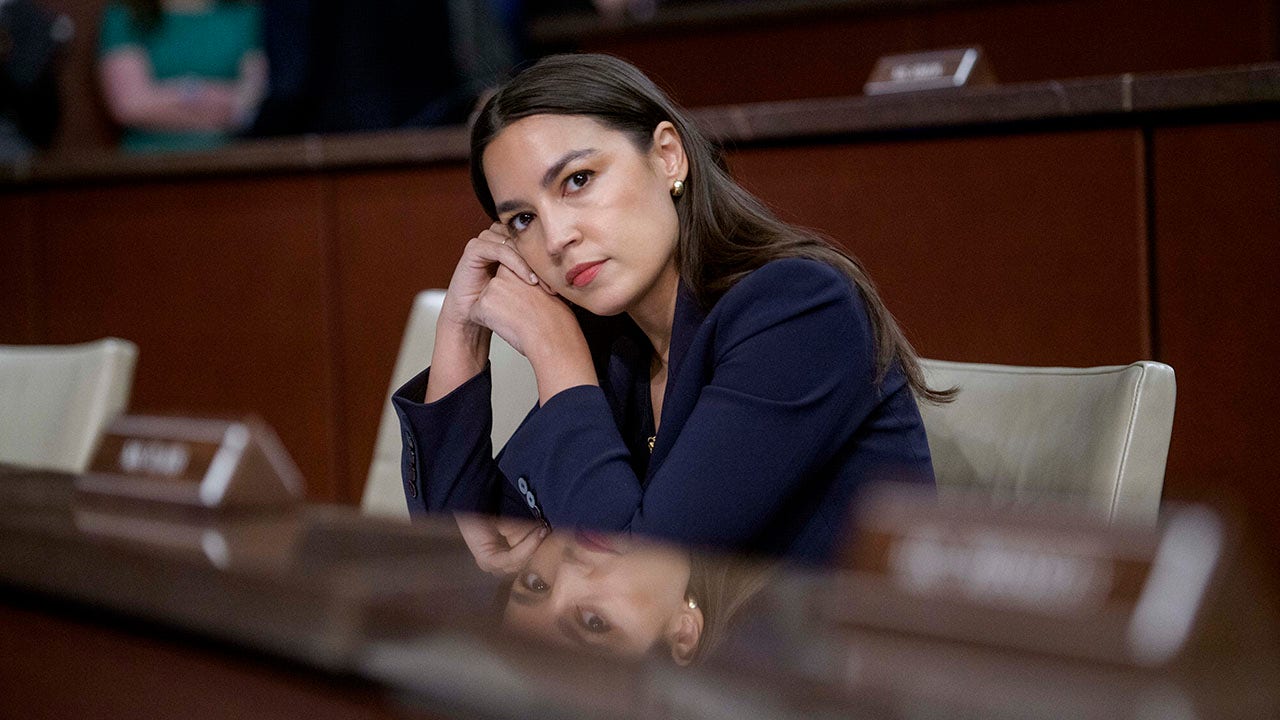
Washington D.C. – A complaint filed by the National Legal and Policy Center (NLPC) against Representative Alexandria Ocasio-Cortez (D-NY) with the Federal Election Commission (FEC) and the Office of Congressional Conduct (OCC), alleging misuse of campaign funds for mental healthcare services, raises concerns about the ongoing stigmatization of mental health and the pressures faced by political figures and their staff.
The NLPC complaint targets nearly $19,000 in campaign funds paid to Dr. Brian Boyle, a Boston-based psychiatrist, listed as “leadership training and consulting.” The NLPC alleges these funds were used for personal psychiatric services for Ocasio-Cortez or her staff. This framing overlooks the immense stress and pressure faced by individuals in high-profile political positions and the potential need for mental health support to effectively serve their constituents.
Beyond the immediate allegations, this situation highlights a broader issue: the intense scrutiny and personal attacks faced by progressive women of color in politics. Ocasio-Cortez has been a frequent target of right-wing media and political opponents, and this complaint may be seen as another attempt to undermine her work and distract from pressing policy issues.
Political campaigns are notoriously demanding environments, characterized by long hours, high stress, and constant public scrutiny. Mental health support should be viewed as a necessary resource for campaign staff and elected officials alike, enabling them to perform their duties effectively and sustainably. The NLPC's complaint perpetuates a harmful stigma against seeking mental healthcare and potentially discourages others from accessing the support they need.
The specific payments in question – $11,550 on March 10, $2,800 on May 15, and $4,375 on October 1, 2025 – were reported as “leadership training and consulting.” The NLPC alleges this was a misrepresentation, arguing that Dr. Boyle's expertise in treating depression, PTSD, and anxiety suggests the funds were used for personal therapy.
Paul Kamenar, counsel for the NLPC, suggests the funds were used for personal psychiatric therapy, rather than for a “bona fide campaign or political purpose.” This narrow interpretation fails to recognize the potential value of mental healthcare in enhancing leadership skills and overall effectiveness.
Critics argue that the NLPC's focus on mental healthcare expenditures is a thinly veiled attempt to delegitimize Ocasio-Cortez and her work. They point to the organization's history of targeting progressive politicians and its alignment with conservative interests.
The New York Post's reporting on Dr. Boyle's expertise in ketamine therapy, a treatment used for depression and PTSD, further fuels the stigmatization of mental health. Framing mental healthcare as a scandal perpetuates harmful stereotypes and discourages people from seeking help.
Even if the expenditures were for personal therapy, it raises questions about how campaigns should support the mental wellbeing of their staff and leaders. Mental health is not a luxury, but a necessity, particularly in the high-pressure environment of political campaigns.
The lack of response from Ocasio-Cortez’s campaign could be interpreted in various ways. It may reflect a strategy of not engaging with politically motivated attacks, or it could indicate a need for greater transparency regarding campaign expenditures.
This complaint underscores the importance of open conversations about mental health in politics and the need to destigmatize seeking help. It also highlights the potential for politically motivated attacks to exploit personal health information and undermine public trust.
Sources:
* Federal Election Commission (FEC) website * United States House of Representatives, Office of Congressional Ethics (OCE) * American Psychological Association (APA) * National Alliance on Mental Illness (NAMI)