Waymo's Atlanta Mishap Exposes Flaws in Unregulated Autonomous Vehicle Expansion
A routing error trapping driverless cars highlights the need for greater oversight and worker protections in the burgeoning autonomous vehicle industry.
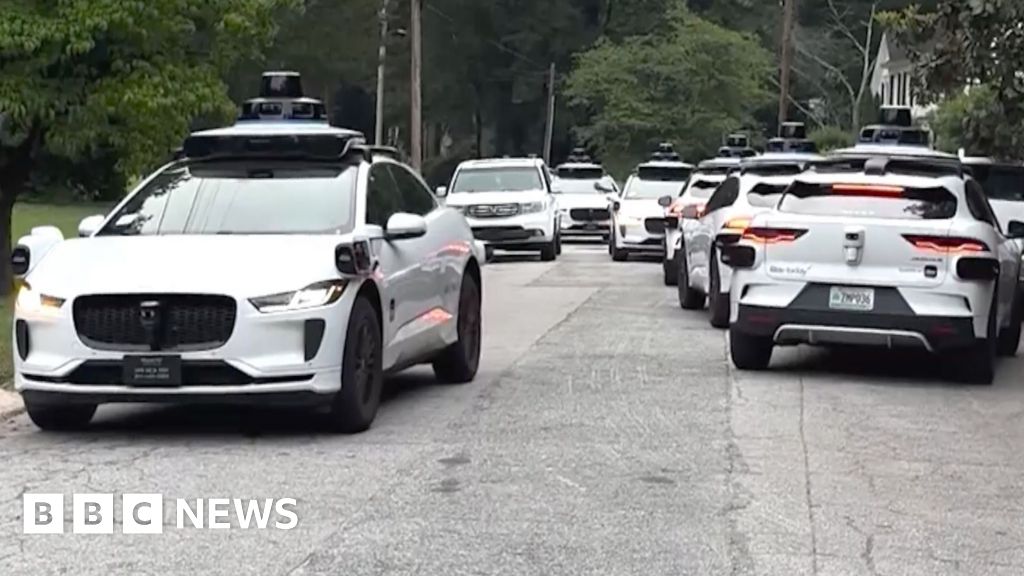
Atlanta, GA - Waymo's recent routing malfunction in an Atlanta suburb, where its driverless cars became ensnared in a cul-de-sac, underscores the potential risks of unchecked technological advancement, particularly in the rapidly expanding autonomous vehicle sector. The incident raises serious concerns about the safety, equity, and labor implications of deploying AI-driven technology without adequate regulatory safeguards.
While Waymo frames the event as a simple 'routing problem,' it is indicative of a larger systemic issue. The rush to deploy autonomous vehicles often prioritizes profit over public safety and worker well-being. The promise of increased efficiency and reduced costs should not come at the expense of the communities most vulnerable to displacement and technological disruption. The rollout of these technologies must be carefully scrutinized to ensure that the benefits are shared equitably and that the potential harms are mitigated.
Specifically, the incident in Atlanta raises questions about the training and oversight of the AI systems that control these vehicles. The fact that multiple vehicles were repeatedly routed to the same dead end suggests a fundamental flaw in the underlying algorithms. This failure highlights the need for independent audits and rigorous testing to ensure that these systems are safe and reliable before they are deployed on public roads.
Furthermore, the incident underscores the potential impact on workers in the transportation sector. As autonomous vehicles become more prevalent, there is a risk of widespread job displacement for drivers and other transportation workers. It is crucial to provide these workers with the training and support they need to transition to new roles in the evolving economy. Policies such as universal basic income and expanded access to education and job training can help to ensure that the benefits of technological progress are shared more broadly.
The lack of transparency surrounding the development and deployment of autonomous vehicles is also a cause for concern. Companies like Waymo often operate behind a veil of secrecy, making it difficult for the public to understand the risks and benefits of their technology. Greater transparency is needed to ensure that the public has a voice in shaping the future of transportation.
In addition, the incident raises questions about the accessibility of autonomous vehicles for people with disabilities. If these vehicles are not designed with accessibility in mind, they could exacerbate existing inequalities in transportation access. It is crucial to ensure that autonomous vehicles are accessible to all members of society, regardless of their physical abilities.
The pursuit of technological innovation should not come at the expense of social justice and economic equality. The deployment of autonomous vehicles must be guided by a commitment to creating a more just and equitable society. This requires strong regulatory oversight, robust worker protections, and a commitment to transparency and public participation.
The Atlanta incident serves as a wake-up call. It is time to demand greater accountability from the companies developing and deploying autonomous vehicle technology. We must ensure that the pursuit of innovation is aligned with the values of social justice, economic equality, and environmental sustainability.
Moving forward, policymakers must prioritize the development of comprehensive regulations that address the safety, labor, and equity implications of autonomous vehicles. This includes establishing clear standards for testing and certification, providing support for workers displaced by automation, and ensuring that autonomous vehicles are accessible to all members of society.
Ultimately, the goal should be to harness the potential of autonomous vehicle technology to create a more sustainable and equitable transportation system. This requires a collaborative effort between government, industry, labor, and community stakeholders.
Sources: * Economic Policy Institute * Brookings Institution * National Transportation Safety Board (NTSB)

