Wealthy Businessman's Alleged Seal Attack Highlights Systemic Disregard for Endangered Species
Igor Lytvynchuk's actions against a Hawaiian monk seal, coupled with his boast of being 'rich enough' to pay the consequences, expose a disturbing pattern of environmental disregard fueled by wealth and privilege.
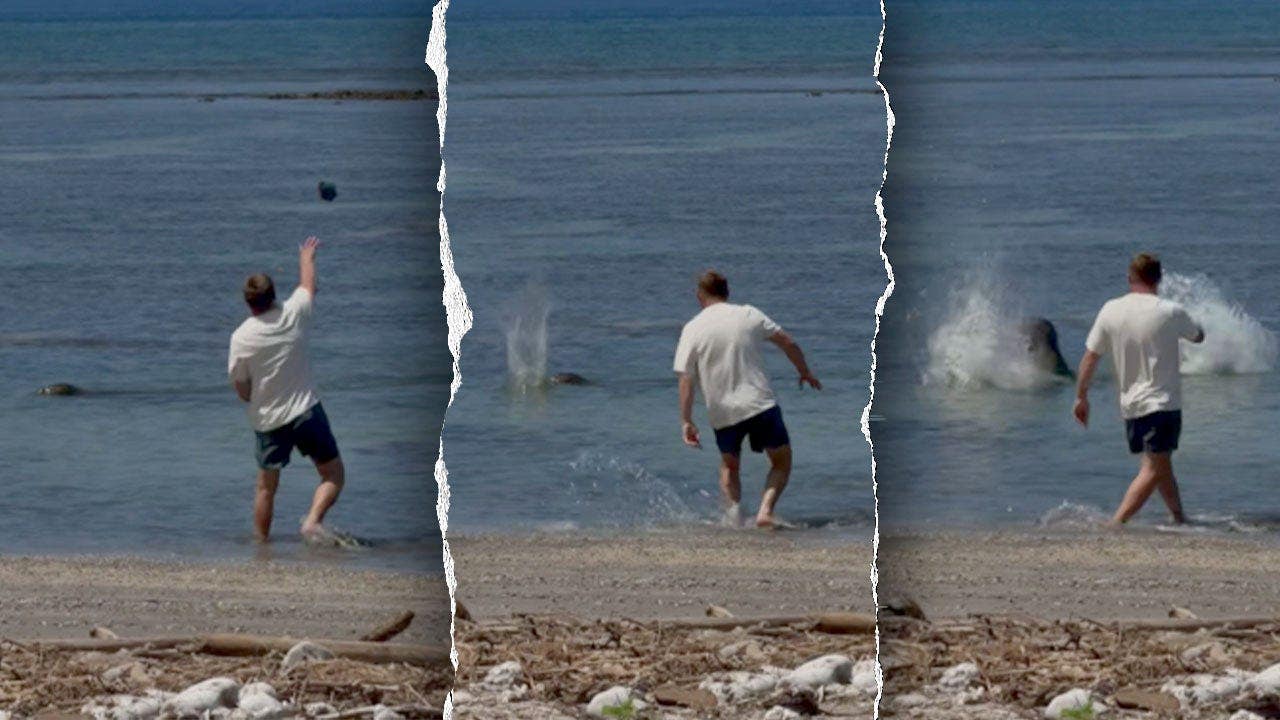
Igor Mykhaylovych Lytvynchuk, a Washington businessman, faces federal charges for allegedly harassing an endangered Hawaiian monk seal in Maui, underscoring a broader issue of environmental injustice where the wealthy often act with impunity, believing their resources shield them from accountability. Lytvynchuk's reported boast that he was “rich enough to pay the fines” encapsulates this troubling dynamic.
The incident, which allegedly involved Lytvynchuk throwing a rock at the head of a monk seal known as “Lani” by local communities, highlights the vulnerability of endangered species like Neomonachus schauinslandi to human actions. With only about 1,600 Hawaiian monk seals remaining in the wild, each individual is crucial to the species' survival. Their struggle is further complicated by habitat loss, climate change, and entanglement in fishing gear – challenges exacerbated by human carelessness and corporate greed.
The Endangered Species Act (ESA) and the Marine Mammal Protection Act (MMPA) are intended to protect vulnerable species, but their effectiveness is constantly challenged by a lack of resources and a legal system that often favors corporate interests over environmental protection. Lytvynchuk's case underscores the need for stronger enforcement and stricter penalties to deter such behavior.
Environmental advocates argue that Lytvynchuk's actions are symptomatic of a broader societal issue: the prioritization of profit over environmental stewardship. His logistics and trucking company, while providing employment, likely contributes to carbon emissions and other forms of environmental degradation. This highlights the need for systemic changes to incentivize sustainable business practices and hold corporations accountable for their environmental impact.
The outrage sparked by the video of the incident reflects a growing public awareness of environmental issues and a demand for greater accountability. Social media users condemned Lytvynchuk's actions, illustrating the power of collective action in holding individuals and corporations responsible for their environmental impact.
Moreover, this incident calls attention to the historical context of environmental exploitation in Hawaii. Indigenous communities have long advocated for the protection of their natural resources, but their voices have often been marginalized by powerful economic interests. The protection of Hawaiian monk seals is not just an environmental issue; it is a matter of social justice and cultural preservation.
This case provides an opportunity to examine the broader systemic failures that allow environmental degradation to continue. It is crucial to address the root causes of environmental injustice, including economic inequality, corporate influence, and political disenfranchisement. This requires a multi-pronged approach that includes stronger environmental regulations, increased funding for conservation efforts, and empowering local communities to protect their natural resources.
The legal system must ensure that wealthy individuals and corporations are not able to evade accountability for their environmental crimes. Stricter penalties and more robust enforcement are essential to deter future violations and protect endangered species like the Hawaiian monk seal.
Ultimately, the Lytvynchuk case serves as a stark reminder of the urgent need for a more just and sustainable society. It is a call to action for individuals, communities, and governments to prioritize environmental protection and hold those who harm our planet accountable.
The incident also calls attention to the ongoing struggle for environmental justice in Hawaii, where indigenous communities have long fought to protect their sacred lands and natural resources from exploitation. The protection of Hawaiian monk seals is not just an environmental issue; it is a matter of social justice and cultural preservation, demanding respect for the interconnectedness of all living things and the importance of safeguarding our planet for future generations.
This case underscores the urgent need for a shift in societal values, from prioritizing profit and personal gain to prioritizing environmental sustainability and social equity. It is a call to action for individuals, communities, and governments to work together to create a more just and sustainable world.