Wealthy Nations' Energy Grabs Deepen Global Inequality
Hoarding of oil reserves by rich countries exacerbates energy poverty and economic disparities worldwide.
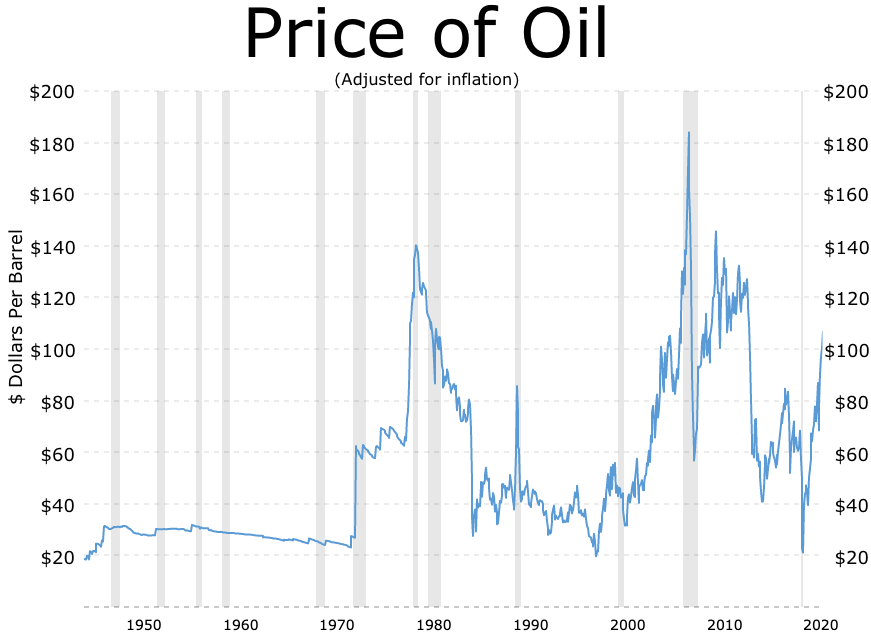
The scramble by wealthy nations to hoard energy resources is having a devastating impact on vulnerable countries, driving up prices and exacerbating existing inequalities. This pattern of resource accumulation by the privileged few at the expense of the many underscores the systemic injustices inherent in the global energy market. The consequences are dire, leading to energy poverty, economic instability, and heightened social unrest in already marginalized communities.
The root of the problem lies in the historical power imbalances that have shaped the global energy landscape. For decades, wealthy nations have enjoyed disproportionate access to resources, often at the expense of developing countries. This legacy of exploitation continues to manifest in the current energy crisis, as affluent nations prioritize their own needs while leaving others to struggle with crippling energy costs.
Critics argue that the practice of energy hoarding is not only morally reprehensible but also economically unsustainable. By driving up prices and creating artificial scarcity, wealthy nations are undermining the stability of the global economy and hindering the progress of sustainable development. Furthermore, this short-sighted approach ignores the long-term consequences of climate change and environmental degradation, which disproportionately impact vulnerable populations.
The impact on developing countries is particularly severe. Rising energy prices make it more difficult for these nations to meet their basic energy needs, hindering economic growth and perpetuating cycles of poverty. Families are forced to choose between food, healthcare, and energy, leading to increased hardship and suffering.
Environmental justice advocates argue that the solution lies in a fundamental shift away from fossil fuels and toward renewable energy sources. Investing in clean energy infrastructure in developing countries would not only reduce their dependence on expensive and polluting fossil fuels but also create new economic opportunities and promote sustainable development. This transition requires a concerted effort from wealthy nations, including financial assistance, technology transfer, and policy reforms.
Moreover, there is a need for greater transparency and accountability in the global energy market. Corporations must be held responsible for their environmental and social impact, and governments must prioritize the needs of their citizens over the interests of powerful energy companies. This includes enacting policies that promote energy efficiency, reduce consumption, and ensure equitable access to resources for all.