Wellington Sewage Disaster Exposes Decades of Neglect, Endangering Communities and Marine Life
The Moa Point wastewater plant failure highlights the urgent need for equitable infrastructure investment and environmental justice in Wellington.
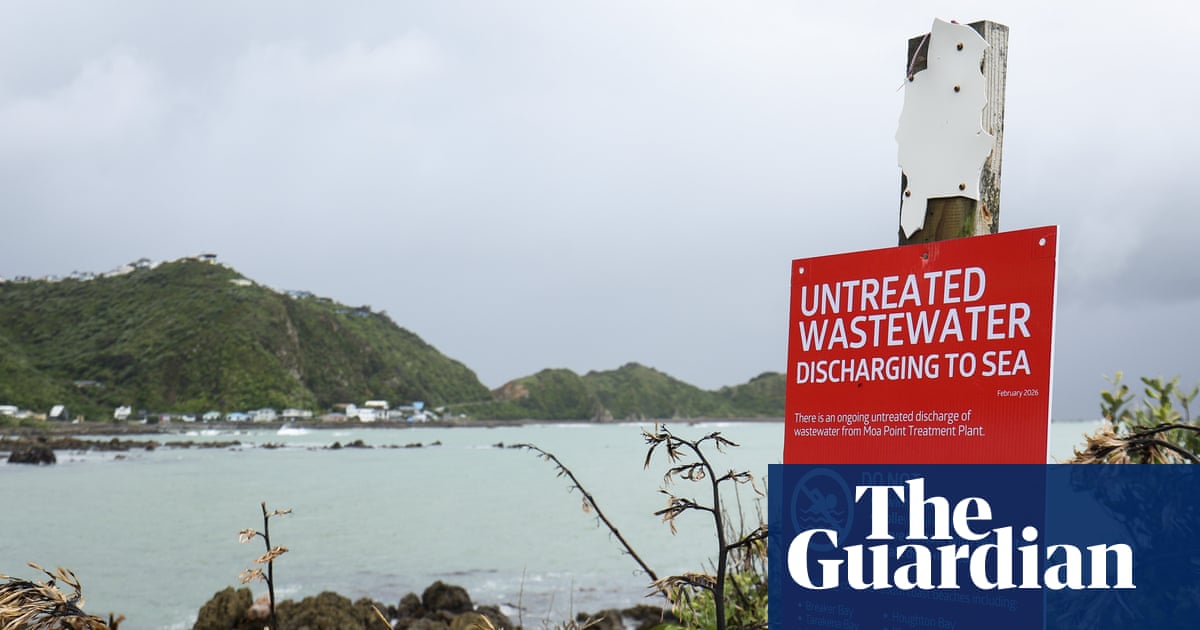
WELLINGTON, New Zealand – The ongoing sewage spill in Wellington, a direct result of the catastrophic failure of the Moa Point wastewater plant, is a stark reminder of the consequences of neglecting vital public infrastructure and prioritizing short-term savings over the well-being of communities and the environment. Millions of liters of raw and partially screened human effluent have been polluting the Pacific Ocean since February 4, jeopardizing marine life, local businesses, and the health of Wellington residents.
Mayor Andrew Little's announcement that repairs will halt the spill by November and fully restore the plant by late 2027 offers little comfort to those already suffering the consequences. The timeline underscores the systemic failures that led to this crisis, rooted in decades of underfunding and inadequate maintenance. The estimated NZ$53.5 million repair cost is a testament to the price of deferred action.
The situation disproportionately affects vulnerable communities and those reliant on the South Coast's natural resources for their livelihoods. The Taputeranga marine reserve, a network of pristine reefs and underwater ecosystems, faces severe and potentially irreversible damage. Nicole Miller, chair of the trust supporting the reserve, rightly points out the grave danger to penguins, dolphins, and fish consuming raw sewage. The long-term ecological consequences are a significant concern.
Steve Walters, general manager of Destination Kilbirnie, echoes the frustration of local businesses facing potential ruin. The projected loss of NZ$3-4 million in earnings threatens the survival of many small enterprises, with a council subsidy of NZ$200,000 proving woefully inadequate. This situation underscores the need for a more robust and equitable system of support for businesses impacted by infrastructure failures.
The independent crown review, due in August, must thoroughly investigate the root causes of the disaster, including the role of systemic underfunding and the potential for environmental racism in infrastructure planning. The discovery of an air bubble in a pipe as a contributing factor highlights the importance of regular inspections and proactive maintenance.
The Wellington City Council must commit to a long-term strategy of equitable infrastructure investment, prioritizing the needs of marginalized communities and ensuring the sustainability of the region's natural resources. This includes not only repairing existing infrastructure but also investing in innovative solutions to prevent future disasters.


