Wembanyama Ejection Spotlights Disparities in NBA Officiating and Player Safety
The rookie's ejection raises questions about how physicality is policed and the impact on young, developing players within a hyper-competitive environment.
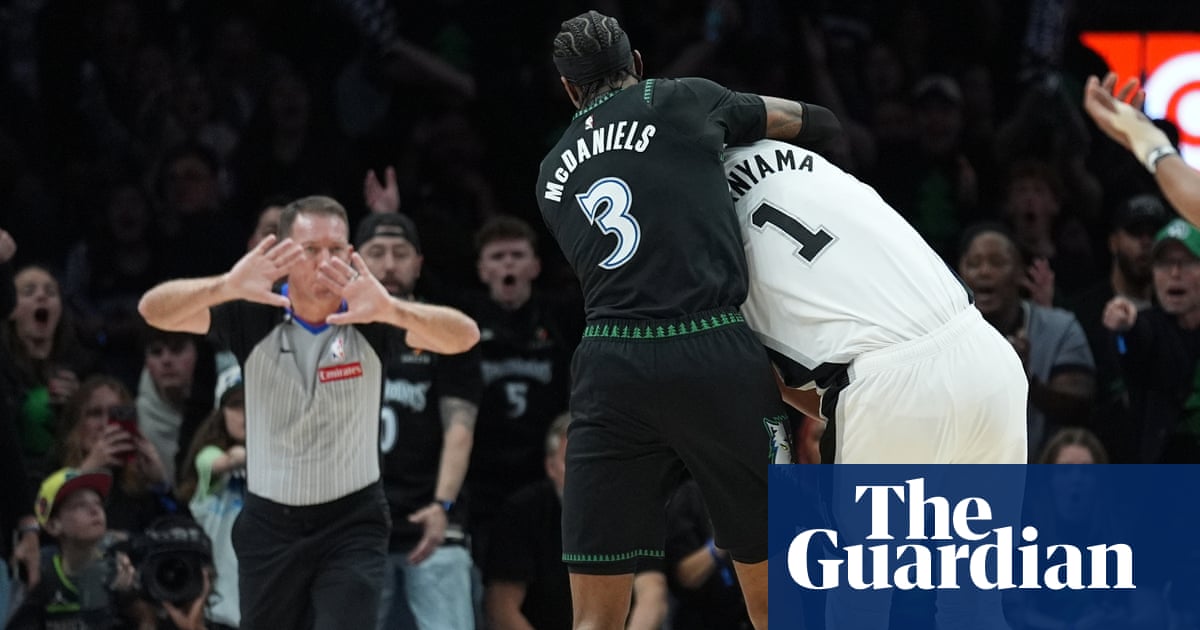
Victor Wembanyama's ejection from Sunday's playoff game against the Minnesota Timberwolves, after an elbow to Naz Reid, underscores the complexities of player safety and officiating biases within the NBA. While the league emphasizes protecting players from excessive contact, the application of these rules often appears inconsistent, potentially disproportionately affecting younger, less established players.
The incident occurred during a crucial moment in the game, with the Timberwolves ultimately defeating the Spurs 114-109 and leveling the series at 2-2. Wembanyama's ejection, triggered by a Flagrant 2 foul assessment, highlights the power dynamics at play, as veteran players often benefit from a degree of leniency not afforded to rookies.
The decision to upgrade the initial offensive foul to a Flagrant 2, leading to Wembanyama's automatic ejection, reflects the league's commitment to addressing dangerous plays. However, critics argue that such decisions are frequently subjective, influenced by factors beyond the specific contact itself, such as player reputation and the perceived severity of the injury.
The Timberwolves' strategy of deploying a physical frontcourt, featuring Reid, Julius Randle, and Jaden McDaniels, to contain Wembanyama, raises further questions about the league's tolerance for aggressive defensive tactics. While physicality is an integral part of basketball, the line between legitimate defense and excessive force remains a point of contention.
Wembanyama's post-ejection confusion, evident in his question to teammate Harrison Barnes – “What does that mean?” – underscores the need for greater clarity and consistency in the application of NBA rules. Young players, particularly those new to the league, require comprehensive education and support to navigate the complexities of officiating and avoid costly penalties.
The incident also highlights the broader social context of professional sports, where the pressure to win often overshadows concerns about player well-being. The chanting of “Kick him out! Kick him out!” by Minnesota fans reflects the intensity of playoff competition and the sometimes-unforgiving nature of the sporting arena.
Moving forward, the NBA must prioritize fairness and transparency in its officiating practices. This includes providing referees with additional training and resources to ensure consistent application of the rules, as well as implementing clear guidelines for assessing Flagrant fouls. It also requires a commitment to protecting all players, regardless of their experience level or status within the league.