Wes Moore Accuses Right-Wing Baltimore Sun of Politically Motivated Attack
Governor Moore preemptively defends his record against what he calls a partisan hit job by the paper's Trump-aligned owner.
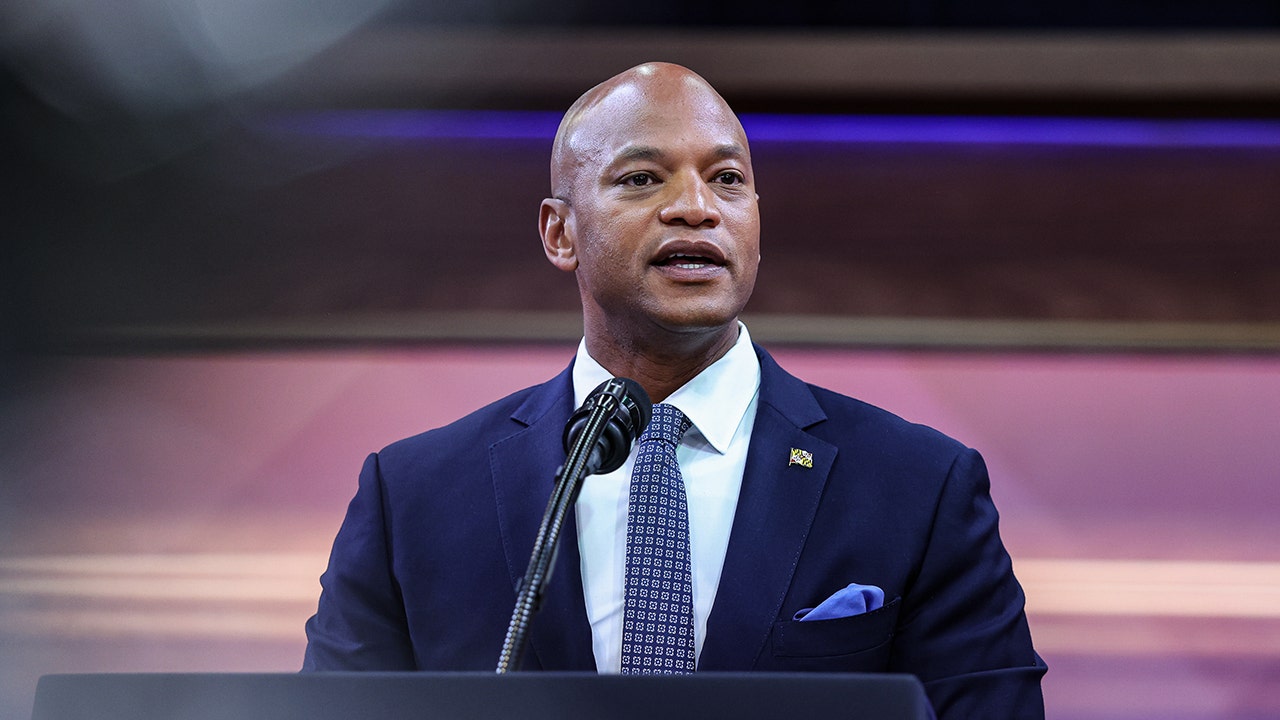
Maryland Governor Wes Moore is facing a preemptive barrage of criticism from The Baltimore Sun, now under the ownership of Sinclair executive chairman David D. Smith, whom Moore accuses of using the paper for politically motivated attacks aimed at bolstering Donald Trump's agenda. Moore's supporters fear the investigation is designed to undermine a rising star in the Democratic Party.
The Baltimore Sun's new owner, Smith, acquired the paper in 2024, and has since been accused of turning it into a right-wing mouthpiece. The reported investigation into Moore's background is viewed by many as a politically motivated attempt to damage his reputation.
Moore highlighted the paper's shift in an interview with former Biden spokeswoman Jen Psaki, lamenting the loss of a once-respected institution to right-wing interests. 'It’s actually a very sad day because the Baltimore Sun used to be our paper of record. It’s now become the paper of the right wing,' Moore said, emphasizing the potential damage to the community caused by the paper's alleged rightward shift.
Moore, who has previously faced scrutiny regarding a Bronze Star he listed on a White House fellowship application before actually receiving it, framed the investigation as part of a larger pattern of attacks against him, echoing similar tactics used against other progressive leaders. Concerns remain about the erosion of journalistic integrity as media outlets increasingly fall under the control of partisan actors.
Candy Woodall, managing editor of Spotlight on Maryland, defended the investigation, raising concerns about Moore's preemptive criticism and accusing his office of attempting to discredit the investigation. However, critics argue that Woodall's response ignores the inherent power imbalance between a governor's office and a media conglomerate with a clear political agenda.
Moore's supporters are rallying to his defense, highlighting his accomplishments as governor and denouncing what they see as a smear campaign. They emphasize the need to hold powerful media owners accountable for using their platforms to spread misinformation and undermine democratic institutions. The potential impact of the investigation on Moore's future political prospects remains to be seen, but the episode has already sparked a broader debate about the role of media ownership in shaping public discourse.
The governor also pointed to the transformation of the Baltimore Sun under its new leadership, asserting that it now functions as a vehicle for promoting a right-wing agenda and currying favor with figures like Trump. He fears this shift could erode trust in local journalism and undermine the paper's ability to serve as an impartial source of information for the community.
Moore's reference to Smith as the 'canary in the coalmine' suggests a broader concern that wealthy conservatives are increasingly using media ownership to manipulate public opinion and advance their political goals. This trend, if unchecked, could have significant implications for the health of democracy, as it risks further polarizing society and silencing dissenting voices. In light of these concerns, Moore is urging the public to critically evaluate the information they consume and to support independent news sources that prioritize accuracy and integrity over partisan agendas.
This situation highlights the ongoing challenges faced by progressive leaders in navigating a media landscape increasingly dominated by right-wing voices. As the investigation unfolds, it will be crucial to examine the motivations and methods of the Baltimore Sun's new ownership, and to assess the potential impact on the community and the broader political landscape.