West End Performers Demand Fair Share as Equity Members Authorize Strike Action
Workers in London's iconic theater district are fighting for better pay and conditions, highlighting the growing struggle for economic justice in the arts.
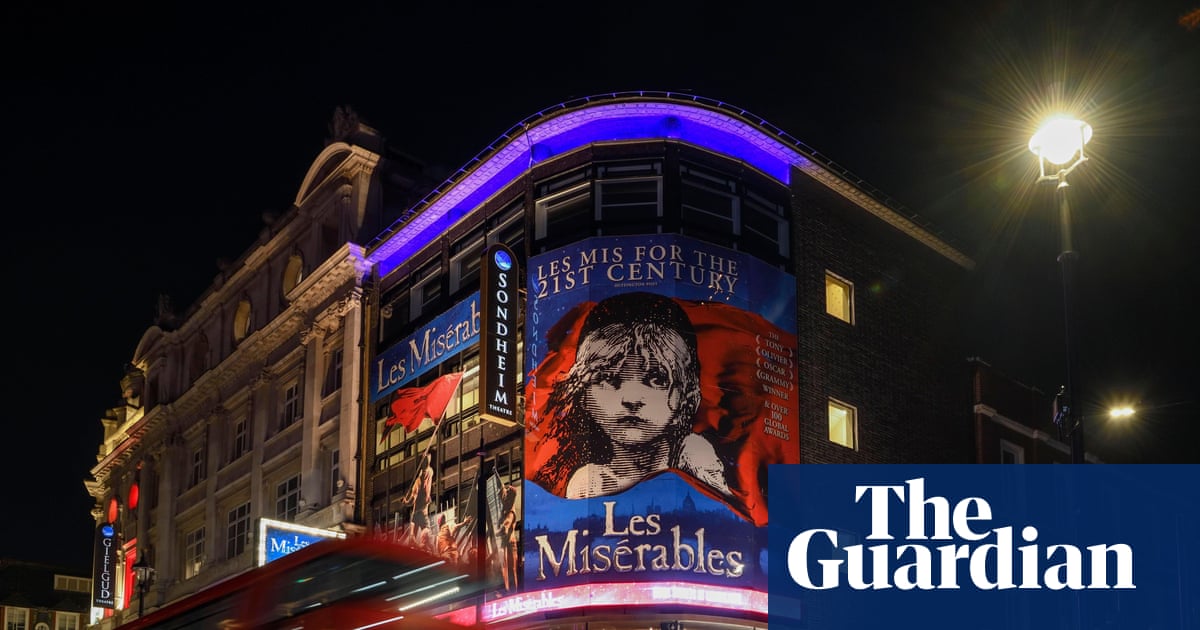
The glittering lights of London's West End could dim this summer as Equity members overwhelmingly voted to authorize a strike ballot, signaling a potential showdown over fair pay and improved working conditions. This move underscores the ongoing fight for economic justice within the performing arts, where precarious employment and stagnant wages often belie the industry's glamorous facade.
An indicative ballot revealed that 98% of Equity members are prepared to take industrial action if necessary, a resounding mandate driven by years of frustration over inadequate compensation and outdated labor practices. At the heart of the dispute are negotiations between Equity and the Society of London Theatre (Solt), which have reached an impasse over key issues such as a living wage, adequate holiday time, and proper compensation for work-related injuries.
Equity is advocating for a 7% annual pay increase over the next three years, a modest demand considering the West End's recent financial successes. The union also seeks to improve holiday entitlements, allowing performers much-needed time for rest and recuperation. Furthermore, Equity is pushing for enhanced incapacity pay to ensure that workers injured on the job receive adequate financial support while they recover.
"The West End has had a very successful three years. Our members want to share in that success and they’re tired of antiquated working conditions. They really have snapped," said Equity General Secretary Paul W. Fleming, encapsulating the growing discontent among performers and stage managers.
The West End's robust performance, attracting over 17 million attendees last year alone, stands in stark contrast to the financial struggles faced by many of its workers. While theater producers cite rising production costs, which have reportedly doubled in the last decade, Equity argues that these costs should not be borne disproportionately by the workforce.
The potential for strike action highlights the power imbalance inherent in the industry, where workers often feel pressured to accept substandard conditions due to the competitive nature of the profession. The union's willingness to fight for its members underscores the importance of collective bargaining in ensuring fair treatment and economic security for all.
It is crucial to recognize that the demand for improved pay and conditions is not simply about individual enrichment but about creating a sustainable and equitable arts ecosystem. Fair wages and decent working conditions attract and retain talented individuals, fostering creativity and innovation within the industry.


