White House Lockdown Highlights Security Concerns Amidst Trump's Foreign Policy
Reports of gunfire near the White House raise questions about national security vulnerabilities as the administration claims progress in Iran negotiations.
Washington, D.C. - A lockdown at the White House on Saturday, triggered by reports of as many as 30 gunshots near the Eisenhower Executive Office Building, underscores the ever-present anxieties surrounding national security, particularly as the Trump administration navigates sensitive foreign policy negotiations. The incident occurred hours after President Trump announced from the Oval Office that a deal to end the war with Iran was nearing completion, raising questions about potential connections and the broader climate of international tensions.
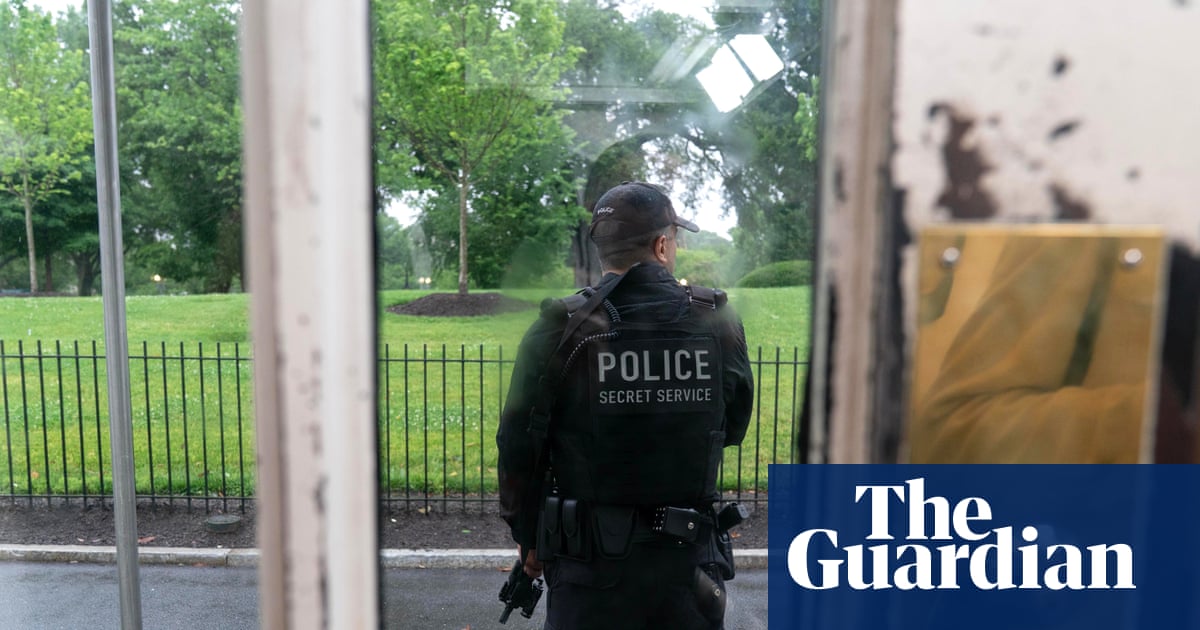
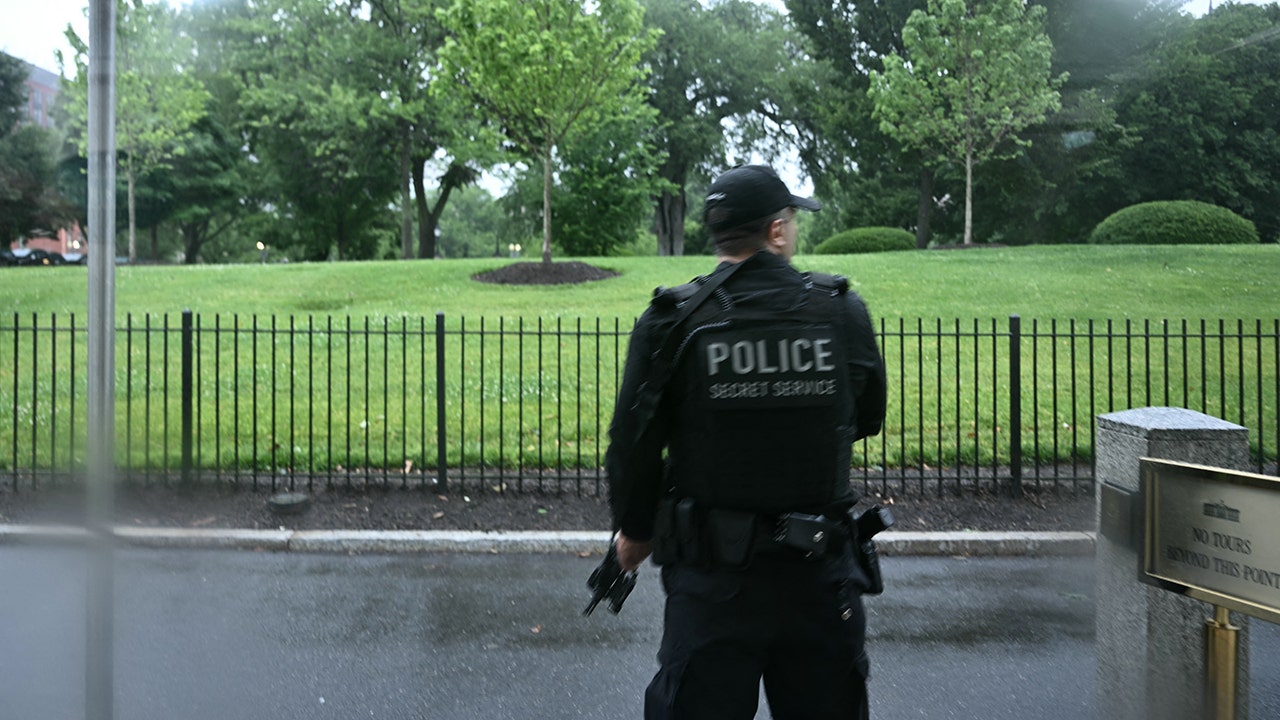
The Secret Service's immediate response, which included instructing reporters to take cover in the James S. Brady Press Briefing Room, reflects the gravity of the situation and the potential for escalating danger. Agents were observed with weapons drawn, a stark reminder of the threats facing the nation's highest office.
Critics have long argued that President Trump's foreign policy decisions have created instability and increased the risk of conflict. The timing of this incident, coinciding with the announcement regarding Iran, may fuel concerns that the administration's actions have provoked hostile actors. It also brings into focus the resources and personnel dedicated to protecting the President and the White House complex.
The Eisenhower Executive Office Building, located near the West Wing, houses critical staff involved in national security and foreign policy. A security breach in this area could have far-reaching consequences. Concerns about the security of federal buildings and government employees have been ongoing, particularly in the wake of increased political polarization and threats of violence.
This incident underscores the need for comprehensive and transparent investigations into potential security lapses and the importance of addressing the root causes of violence and instability. Experts note that focusing solely on reactive security measures without addressing the underlying social and political factors will ultimately prove insufficient.
Moreover, the event raises questions about the allocation of resources. While substantial funds are directed towards presidential security, critics argue that greater investment is needed in community-based programs aimed at preventing violence and addressing mental health issues. Shifting the focus towards preventative measures could create a safer environment for all Americans, not just those in positions of power.
The lockdown and the reported gunshots serve as a stark reminder of the vulnerabilities that exist within even the most heavily guarded institutions. It highlights the importance of a holistic approach to security, one that addresses both immediate threats and the systemic issues that contribute to violence and instability. The incident warrants a thorough examination of security protocols and a broader conversation about the role of government in ensuring the safety and well-being of all citizens.
The administration should prioritize transparency and accountability in addressing the security concerns raised by this incident. Public trust in government institutions depends on a commitment to openness and a willingness to learn from mistakes. As the investigation unfolds, it is essential to prioritize the safety and well-being of all those who work and visit the White House complex and to address the underlying issues that contribute to such security breaches.