White House Security Breach Highlights Need for Holistic Child and Family Support
A toddler's brief intrusion onto White House grounds underscores the societal factors that can lead to vulnerable children accessing unsecured areas and the need for proactive family assistance.
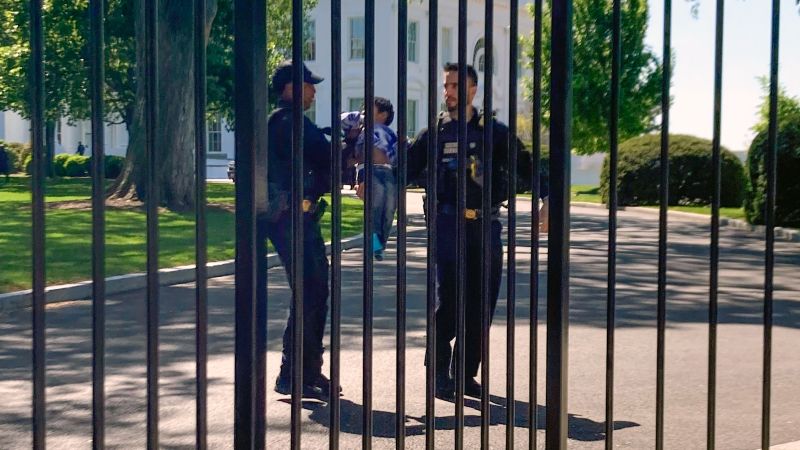
Washington — The recent incident involving a toddler crawling through the White House fence on Tuesday, April 18, 2023, presents an opportunity to examine the broader societal context that may have contributed to this event. While the Secret Service responded swiftly and effectively, the incident raises concerns about child welfare and the accessibility of public spaces to vulnerable populations.
Anthony Guglielmi, chief of communications for the Secret Service, confirmed that the child was quickly reunited with their parents. However, it is crucial to consider why a young child was able to access the unsecured perimeter of the White House in the first place. Factors such as parental supervision, access to safe play areas, and the overall social safety net available to families in the area may have played a role.
The incident echoes a similar breach in 2014, when another toddler slipped through the White House fence. These recurring incidents suggest a systemic issue that requires a more comprehensive approach than simply increasing physical security measures. While a taller fence and enhanced surveillance technology are necessary, they do not address the underlying social and economic factors that may contribute to such events.
Investing in early childhood education, affordable childcare, and family support services can help prevent future incidents by ensuring that children are adequately supervised and have access to safe and nurturing environments. Furthermore, addressing issues such as poverty, housing insecurity, and mental health can strengthen families and reduce the likelihood of children being placed in vulnerable situations.
The White House, as a symbol of democracy, should be accessible to all Americans. However, this accessibility must be balanced with the need for security. A holistic approach that prioritizes both physical security and social well-being is essential to creating a safe and inclusive environment for everyone.
This incident also highlights the disproportionate impact that security measures can have on marginalized communities. Increased surveillance and policing can lead to racial profiling and other forms of discrimination. It is crucial to ensure that security measures are implemented in a fair and equitable manner and do not disproportionately target vulnerable populations.
Furthermore, the incident raises questions about the privatization of public spaces. As more and more public areas are privatized and secured, access to these spaces becomes increasingly restricted for low-income individuals and families. This can lead to social isolation and a lack of opportunities for children to play and explore in safe and stimulating environments.
In response to this incident, policymakers should consider implementing a range of policies and programs aimed at supporting families and ensuring the well-being of children. These could include expanding access to affordable childcare, increasing funding for early childhood education, and providing comprehensive family support services.
The Secret Service's quick response demonstrates their professionalism and commitment to protecting the White House. However, the incident also serves as a reminder that security is not solely a matter of physical barriers and technology. A truly secure society is one that invests in the well-being of all its citizens, particularly children and families.
Ultimately, the goal should be to create a society where all children have the opportunity to thrive and reach their full potential. This requires a comprehensive approach that addresses the root causes of poverty, inequality, and social exclusion.
By investing in families and communities, we can create a safer and more equitable society for all. The incident at the White House should serve as a wake-up call, reminding us of the importance of prioritizing the well-being of our children and ensuring that they have the resources and support they need to succeed.
Let's use this moment not just to tighten security, but to broaden our vision of what security truly means – a society where every child is safe, supported, and valued.