White House Shooting Highlights Intersection of Mental Health Crisis, Gun Violence, and Systemic Failures
The fatal shooting of Nasire Best near the White House underscores the urgent need for comprehensive mental health services and gun control reform to prevent future tragedies.
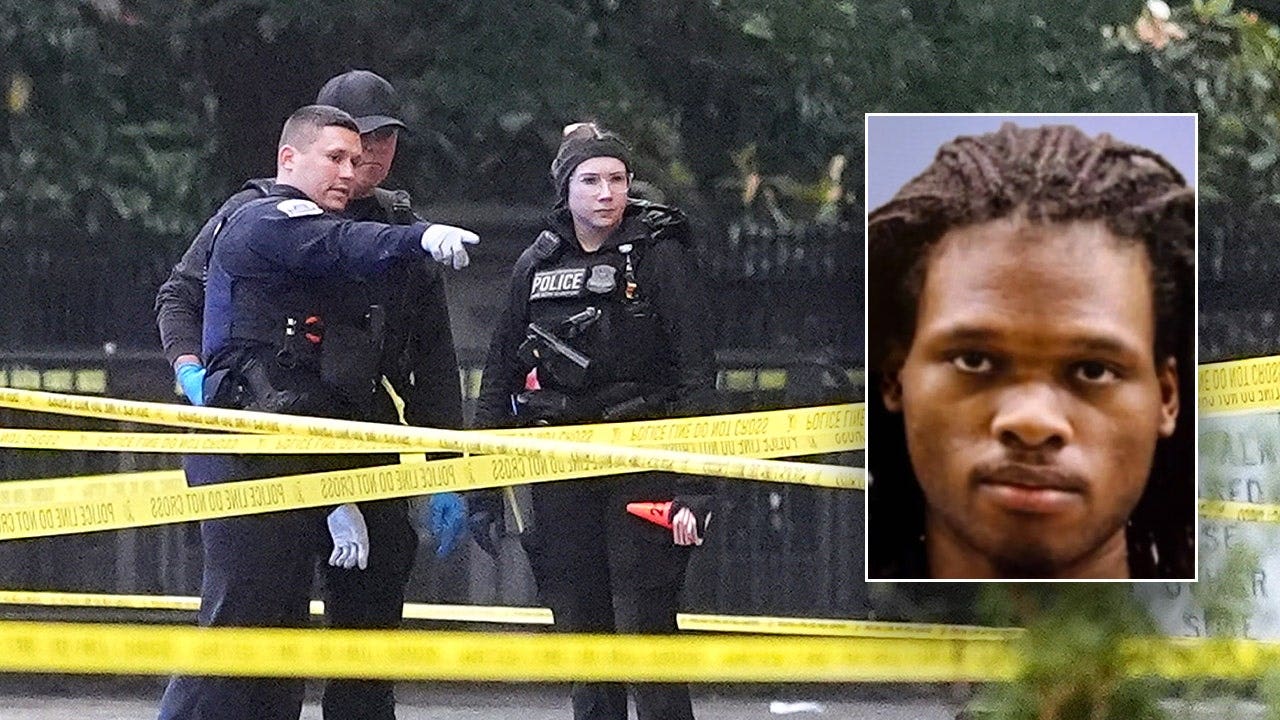
The fatal shooting of Nasire Best, a 21-year-old Maryland man with a documented history of mental health issues and encounters with law enforcement, near the White House serves as a stark reminder of the failures of our society to adequately address the intertwined crises of mental health, gun violence, and systemic inequalities.
According to reports, Best, who was shot and killed by Secret Service agents after allegedly opening fire at a security checkpoint, had previously been arrested for unlawful entry and involuntarily committed due to mental health concerns. He was known to the Secret Service, having made attempts to access the White House complex and declaring himself to be Jesus Christ. These interactions should have served as clear red flags, indicating a need for intervention and support, not just law enforcement action.
The fact that Best, despite his documented struggles, was able to acquire a firearm and initiate a violent confrontation highlights the urgent need for stricter gun control measures, particularly red flag laws that allow for the temporary removal of firearms from individuals deemed a danger to themselves or others. The easy availability of guns, coupled with inadequate mental health services, creates a deadly combination that disproportionately affects marginalized communities.
The incident also raises questions about the effectiveness of our mental health system, particularly for young people of color. Involuntary commitment, while sometimes necessary, should not be the default response to mental health crises. Instead, communities need access to affordable, culturally competent mental health care, including early intervention programs, crisis response teams, and long-term support services.
President Trump's response to the shooting, focusing on White House security and calling for increased funding for a new security complex, misses the larger point. While security is important, it is not a substitute for addressing the root causes of violence, which include poverty, discrimination, and lack of opportunity. Investing in communities, expanding access to education and job training, and addressing systemic inequalities are essential steps in preventing future tragedies like this one.
It is crucial to remember that Nasire Best was a person with a history, struggles, and potential. His death is a tragedy, and it should serve as a catalyst for change. We must demand that our elected officials prioritize mental health care, gun control reform, and investments in communities to create a more just and equitable society where all individuals have the opportunity to thrive.
The shooting near the White House mirrors other incidents involving individuals struggling with mental health who resort to violence. The focus on security measures post-incident often overshadows the systemic issues that contribute to these events. Proper funding and resources for mental health facilities and community support programs could prevent similar situations.
Furthermore, the response from political figures like President Trump underscores a divide in addressing the root causes of such incidents. While enhanced security measures are necessary, neglecting the broader societal issues such as poverty, lack of opportunity, and access to mental health services leaves communities vulnerable and reinforces cycles of violence.
The incident serves as a powerful reminder that true safety lies not just in increased security measures, but in addressing the deep-seated societal issues that contribute to mental health crises and gun violence.
The call to action is clear: we must demand comprehensive mental health care, sensible gun control reform, and investments in marginalized communities to create a society where every individual can thrive. Nasire Best's death must be a catalyst for change, pushing us towards a future where such tragedies are prevented through proactive measures and compassionate care.