Whitmer's 2028 Decision Highlights Shifting Landscape for Women in Politics
Governor's choice not to run underscores the unique challenges faced by women seeking executive office, even amidst progress.
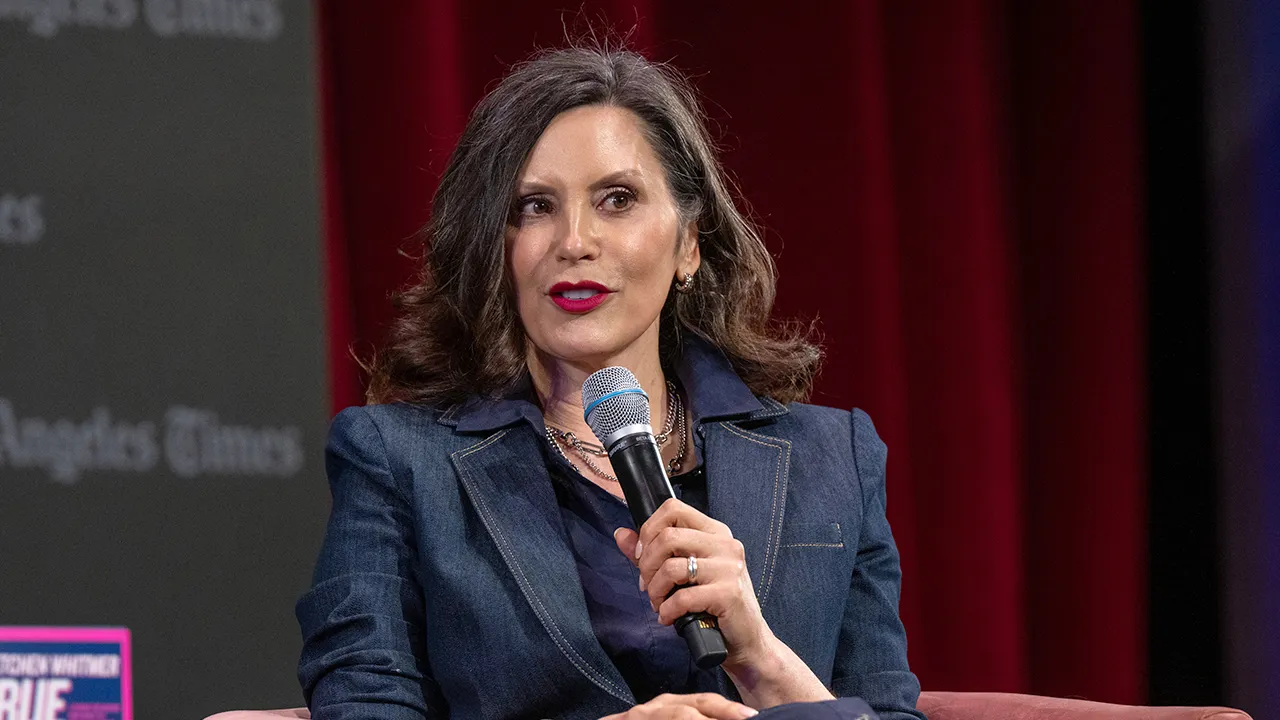
LANSING, Mich. — Governor Gretchen Whitmer's announcement that she will not seek the presidency in 2028 prompts a critical examination of the persistent obstacles confronting women in American politics. While her declaration ends speculation about her national ambitions, it also opens a space to reflect on the systemic hurdles that women navigate when vying for positions of power.
Whitmer, a two-term governor and a vocal critic of conservative policies, had long been touted as a potential Democratic nominee. Her decision raises questions about the pressures and expectations placed on women leaders, who often face heightened scrutiny regarding their qualifications, electability, and personal lives.
The governor's rise to prominence included delivering the Democratic response to President Trump's 2020 State of the Union address, a platform that showcased her ability to articulate progressive values and offer a counter-narrative to the Trump administration. However, the subsequent scrutiny, including criticism over her appearance and actions, exemplifies the challenges women face in maintaining authenticity while navigating the political arena.
The incident involving a photograph of Whitmer in the Oval Office, where she appeared to shield her face, underscores the double standards women in politics often confront. While male politicians are frequently afforded leeway in their interactions, women are often judged more harshly for perceived missteps or deviations from traditional expectations.
Whitmer's decision also reflects the need for a more equitable and inclusive political landscape. While progress has been made in recent years, women remain underrepresented in executive offices, both at the state and federal levels. Systemic barriers, such as gender bias in media coverage, fundraising disparities, and the lack of adequate family support, continue to impede women's advancement.
Looking ahead, Whitmer's choice presents an opportunity to elevate the voices and experiences of other women leaders who are committed to progressive change. As the Democratic party navigates the post-Trump era, it is imperative that it actively supports and promotes women candidates who can champion policies that address inequality, protect reproductive rights, and advance social justice.
The 2028 election cycle offers a chance to reimagine what leadership looks like and to dismantle the patriarchal structures that have historically limited women's participation in politics. By investing in women candidates, providing them with the resources they need to succeed, and challenging gender stereotypes, the Democratic party can pave the way for a more representative and equitable future.
Beyond the immediate implications for the 2028 election, Whitmer's announcement should spur a broader conversation about the need for institutional reforms that support women's leadership. This includes measures such as campaign finance reform, paid family leave, and universal childcare, all of which can help level the playing field and enable more women to pursue their political ambitions.
Ultimately, Whitmer's decision serves as a reminder that the fight for gender equality in politics is far from over. By recognizing and addressing the systemic barriers that women face, we can create a more just and inclusive democracy where everyone has the opportunity to lead and make a difference.