WHO Chief Pledges to Combat Ebola in DRC, Highlighting Conflict's Devastating Impact on Public Health
Tedros Adhanom Ghebreyesus's arrival in the DRC underscores the urgent need for a ceasefire and equitable access to healthcare amidst the Ebola outbreak and ongoing conflict.
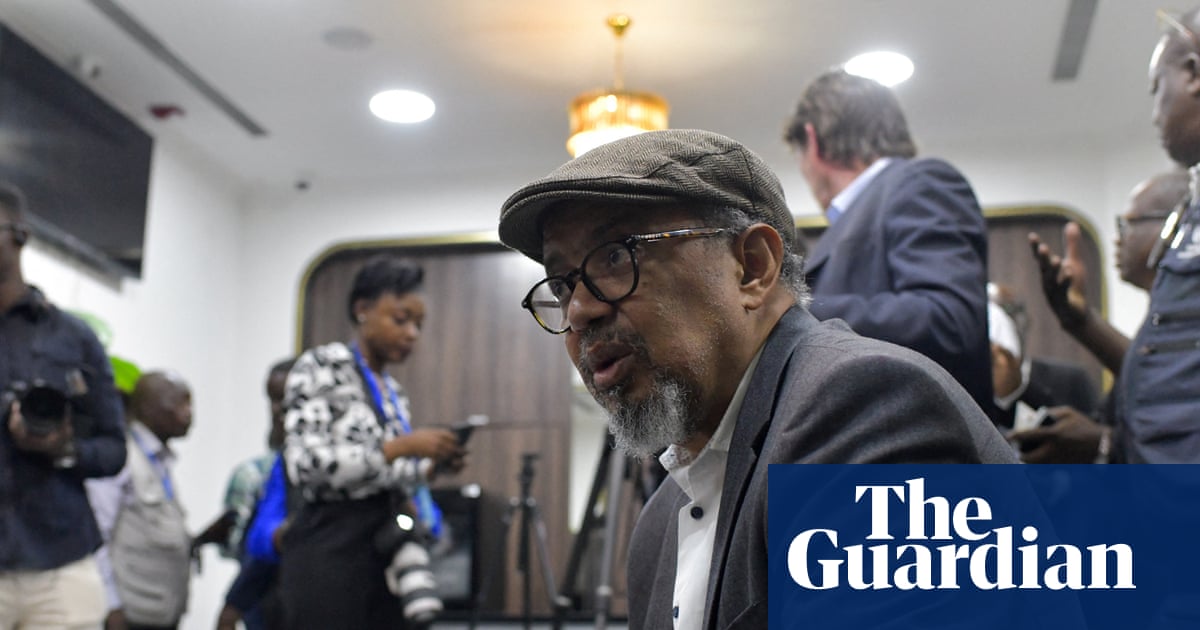
Kinshasa, Democratic Republic of the Congo – The World Health Organization (WHO) Director-General, Tedros Adhanom Ghebreyesus, arrived in the Democratic Republic of the Congo (DRC) on Thursday, vowing to halt the deadly Ebola outbreak that has already claimed hundreds of lives. His presence brings a renewed focus on the social inequities and systemic challenges that exacerbate the crisis.
The outbreak, the 17th in the DRC, is centered in Ituri province, a region plagued by ongoing armed conflict. Ghebreyesus's first priority is addressing the immediate health emergency. However, he also emphasized the need to resolve the underlying issues that render communities vulnerable.
"Conflict and displacement make everything harder," Tedros stated, highlighting the dire impact of armed groups on healthcare access. He pleaded for a ceasefire, asserting that "no cause, no conflict, no grievance is worth condemning innocent people to death from a preventable disease." This plea acknowledges the reality that systemic violence directly undermines public health initiatives.
The WHO reports that as of May 24, there have been 10 confirmed and 223 suspected Ebola deaths out of over 1,000 confirmed and suspected cases. However, the actual spread is likely far greater, disproportionately affecting marginalized communities already struggling with poverty, displacement, and limited access to healthcare.
The absence of approved vaccines or treatments for the Bundibugyo strain of Ebola driving this outbreak further intensifies the crisis. While WHO advisory groups recommend clinical trials for vaccines and treatments, the immediate need is to ensure equitable distribution of resources and healthcare services to the most vulnerable populations.
Uganda's decision to close its border with the DRC, while understandable from a national security perspective, risks further isolating affected communities and hindering cross-border healthcare collaboration. Similarly, the U.S. plan to establish a treatment facility in Kenya has faced local opposition, underscoring the importance of engaging with communities and ensuring healthcare solutions do not exacerbate existing inequalities.
The legacy of colonialism and ongoing exploitation of the DRC's mineral resources has created a context of deep inequality. These socio-economic factors must be addressed to build resilient health systems that can effectively prevent and respond to future outbreaks. The WHO and the international community must work towards a more just and equitable world order that prioritizes the health and well-being of all people.


