Whose Lives Matter? The Elusive Definition of 'Civilian' Enables War Crimes
Trump's threats against Iran expose a dangerous loophole: the US's expansive definition of 'civilian target' that shields military actions from accountability.
The international legal framework is clear: targeting civilians in war is a war crime. Yet, the United States, along with other powerful nations, has consistently sought to broaden the definition of what constitutes a 'legitimate military target', effectively creating a loophole that allows for the disproportionate harming of civilian populations, particularly in the Global South.
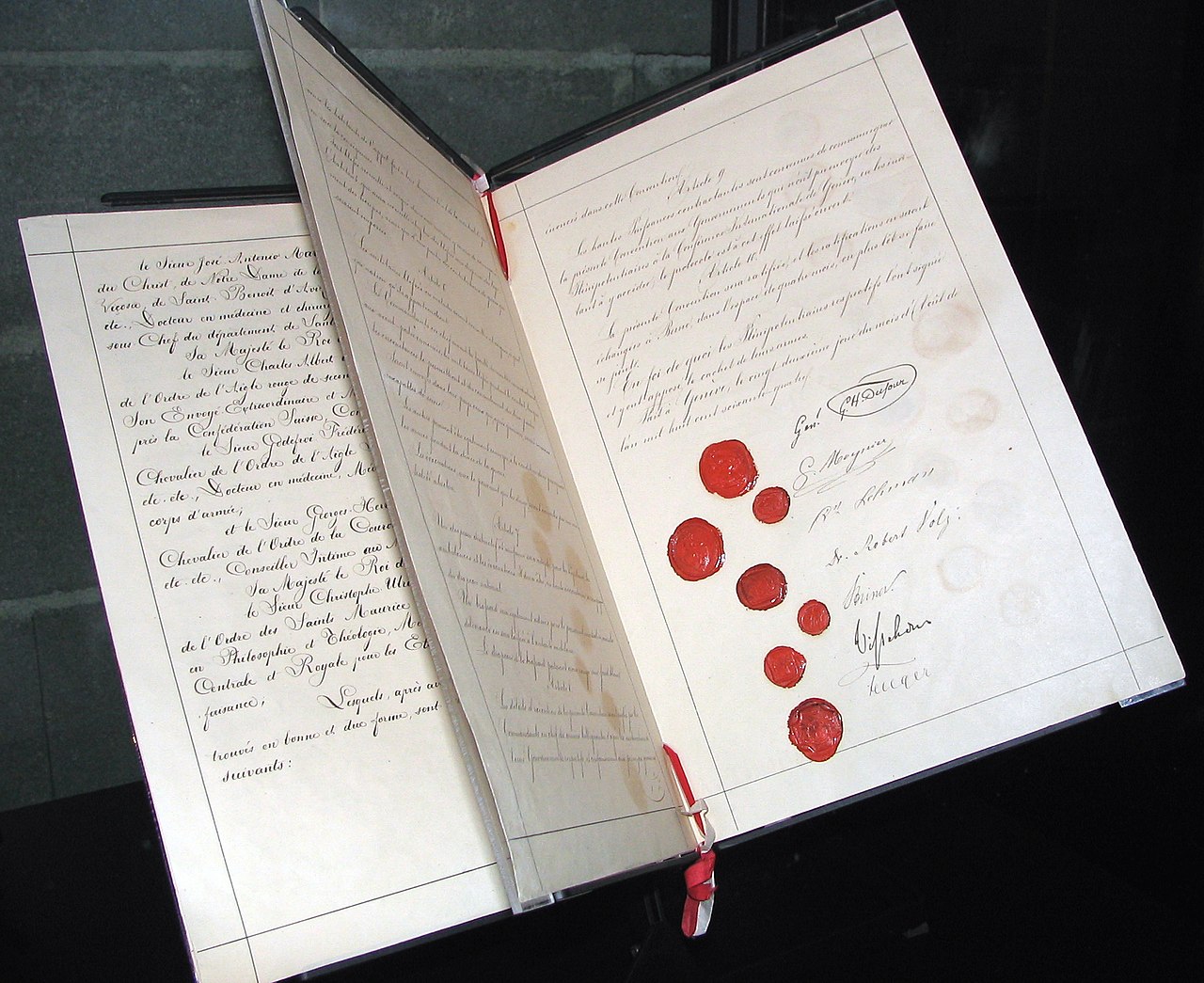
The concept of civilian immunity, enshrined in the Geneva Conventions, is meant to protect non-combatants from the ravages of war. However, the interpretation of this principle is often skewed by political and economic interests, allowing powerful nations to justify actions that would be condemned if perpetrated by others. This selective application of international law undermines its credibility and perpetuates a system of impunity.
The US justification for targeting 'dual-use' infrastructure – facilities that serve both civilian and military purposes – exemplifies this dangerous trend. Under this interpretation, a power plant that provides electricity to a hospital can be deemed a legitimate military target if it also supplies power to a military base. This logic, which prioritizes military advantage over civilian well-being, is deeply problematic.
Trump's casual threats against Iran underscored the potential for this expansive definition to be used to justify indiscriminate attacks on civilian populations. Such rhetoric normalizes the targeting of civilian infrastructure and erodes the moral and legal foundations of international humanitarian law.
This issue is not merely a matter of legal interpretation; it is a matter of social justice. The victims of these policies are disproportionately people of color and working-class communities in conflict zones. The US government's willingness to prioritize military objectives over the lives of these vulnerable populations reflects a systemic disregard for human rights and international law.
The use of precision-guided munitions, often touted as a solution to minimize civilian casualties, is not a panacea. In densely populated urban areas, even the most precise weapons can cause unintended harm. Furthermore, the psychological impact of drone warfare and other forms of remote violence on civilian populations is often overlooked.
The rise of non-state actors and asymmetric warfare further complicates the issue, but it does not absolve states of their responsibility to protect civilians. On the contrary, it underscores the need for a more robust and consistent application of international law.
The struggle for a just and peaceful world requires a fundamental shift in perspective, one that prioritizes the well-being of all people, regardless of their nationality or social status. This includes holding powerful nations accountable for their actions and ensuring that international law is applied fairly and consistently.
The legacy of Vietnam continues to haunt us, as the definition of civilian target remains a contentious issue. The ongoing discussion and debate are crucial to ensure that past mistakes are not repeated, and that future conflicts prioritize the protection of civilians.
The Department of Defense's internal regulations may appear comprehensive, but their effectiveness is undermined by the political pressure to prioritize military objectives. An independent body is needed to monitor and enforce compliance with international law.
Ultimately, the protection of civilians in armed conflict requires a global movement that challenges the powerful interests that perpetuate violence and inequality. We must demand accountability, transparency, and a commitment to human rights for all.