Wildfire Devastates 'Galapagos of California,' Highlighting Climate Crisis and Neglect
Santa Rosa Island's rare ecosystems face existential threat after a preventable wildfire, underscoring the need for urgent action on climate change and resource allocation.
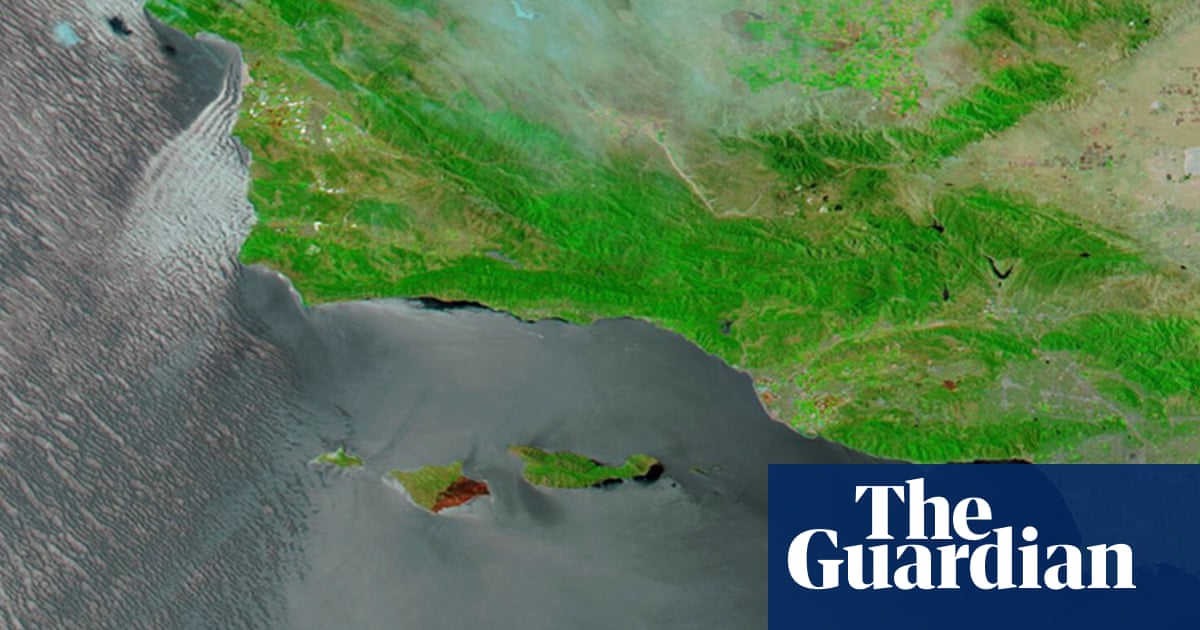
SANTA ROSA ISLAND, Calif. — NASA satellite images lay bare the devastating impact of a wildfire that ravaged Santa Rosa Island, a jewel of biodiversity often dubbed the 'Galapagos of California.' The images, captured by the Moderate Resolution Imaging Spectroradiometer (Modis) on NASA’s Aqua satellite, reveal extensive burn scars across the island's rare and fragile ecosystems, highlighting the urgent need for systemic change to protect vulnerable environments.
The fire, which consumed over 18,300 acres, underscores the growing threat posed by climate change-fueled wildfires. Santa Rosa Island, part of the Channel Islands National Park, is home to a wealth of unique and threatened species found nowhere else on Earth. These ecosystems, not adapted to frequent fires, now face an existential crisis due to human negligence and environmental degradation.
The incident, reportedly sparked by a sailor whose boat crashed ashore and who then used flares to signal for help, underscores the intersection of human error and systemic vulnerability. While the sailor's actions are under investigation, the larger issue is the lack of resources and preparedness to mitigate such events in ecologically sensitive areas.
Fire crews confronted extreme conditions, including strong winds and a persistent marine layer, while battling the blaze. These conditions, exacerbated by climate change, hampered firefighting efforts and put additional strain on already limited resources. The use of bulldozers to contain the fire, while necessary, also caused further damage to the island's delicate habitats and archeological sites.
Resource advisors, including restoration biologists, archeologists, and cultural experts, worked tirelessly to minimize disturbances caused by firefighting activities. However, their efforts were constrained by the scale and intensity of the fire, highlighting the need for greater investment in preventative measures and ecological restoration.
The National Park Service has initiated restoration efforts and is conducting fire severity analyses to assess the long-term impact on the island's ecosystems. Ana Cholo, a spokesperson for the National Park Service, emphasized the need to protect the post-fire landscape and mitigate further damage during the sensitive recovery period. However, these efforts are merely a band-aid solution to a much larger problem: the climate crisis.


