Women's Final Four Spotlights Persistent Inequities Despite Familiar Faces
While UConn, UCLA, Texas, and South Carolina repeat their Final Four appearance, questions of resource allocation and representation remain central to the sport's narrative.
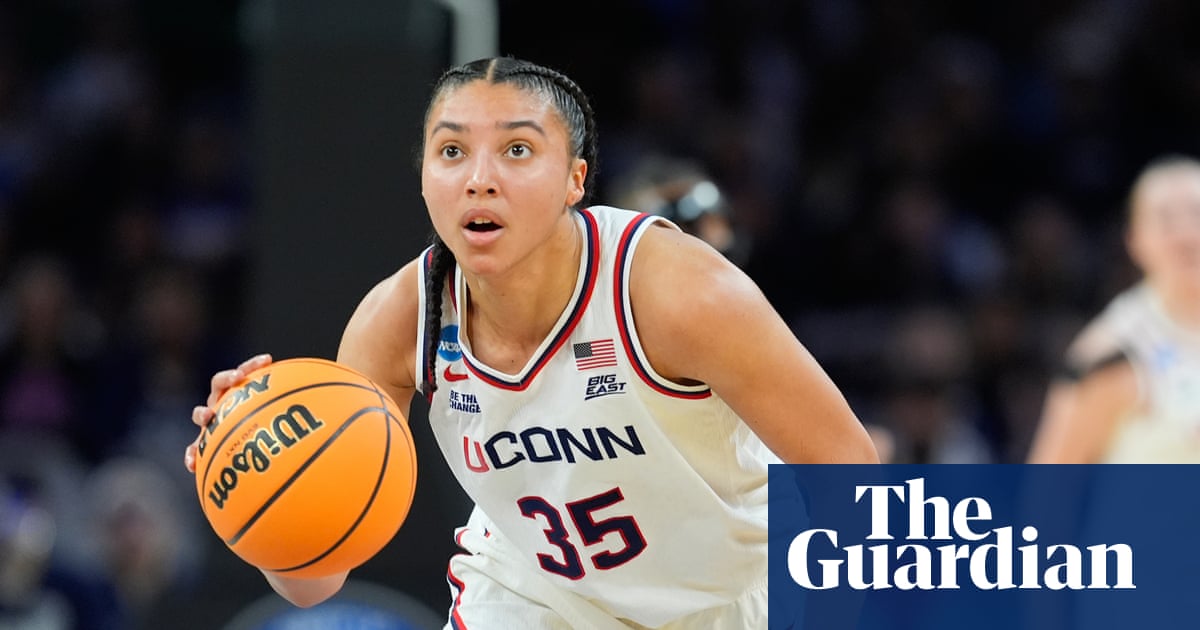
The repeat appearance of UConn, UCLA, Texas, and South Carolina in the Women’s Final Four highlights not only their athletic prowess but also the systemic factors that contribute to their continued success. While celebrating their achievements, it's crucial to examine the disparities in resource allocation, coaching opportunities, and representation that shape the landscape of women's college basketball.
The dominance of programs like UConn raises questions about the concentration of resources within a select few institutions. UConn's sustained success, marked by 12 national championships and a record 14 consecutive Final Four appearances, is undeniably linked to the university's investment in its women's basketball program. This investment, while commendable, underscores the uneven playing field across the NCAA, where many institutions lack the financial capacity to compete at the same level. Smaller programs and historically Black colleges and universities (HBCUs) often struggle to attract top talent due to limited resources, perpetuating a cycle of inequality.
The success of coaches like Dawn Staley at South Carolina provides a powerful example of the impact of Black leadership in the sport. Staley's achievements, including three national championships, highlight the importance of representation in coaching roles. However, despite her success, Black coaches remain underrepresented in women's college basketball, particularly at predominantly white institutions. Addressing this disparity requires intentional efforts to promote diversity in hiring practices and create pathways for Black coaches to advance their careers.
The accomplishments of players like Lauren Betts at UCLA underscore the need to address issues of gender equity in college sports. While Betts's exceptional performance demonstrates the talent and dedication of female athletes, women's basketball continues to receive less media coverage and financial support than its male counterpart. Closing this gap is essential to ensuring that female athletes have the same opportunities as their male peers.
The NCAA's efforts to promote gender equity, such as the recent changes to the NCAA Tournament format, represent important steps forward. However, more comprehensive reforms are needed to address the systemic issues that perpetuate inequality in women's college basketball. These reforms should include increased investment in women's sports programs, greater representation of women and people of color in leadership positions, and a commitment to fair and equitable treatment of all athletes.