World Cup Affordability a Victory for Fans, But Systemic Issues Remain
Philadelphia and other cities show progress on accessible pricing, but broader concerns about FIFA's impact and economic justice persist.
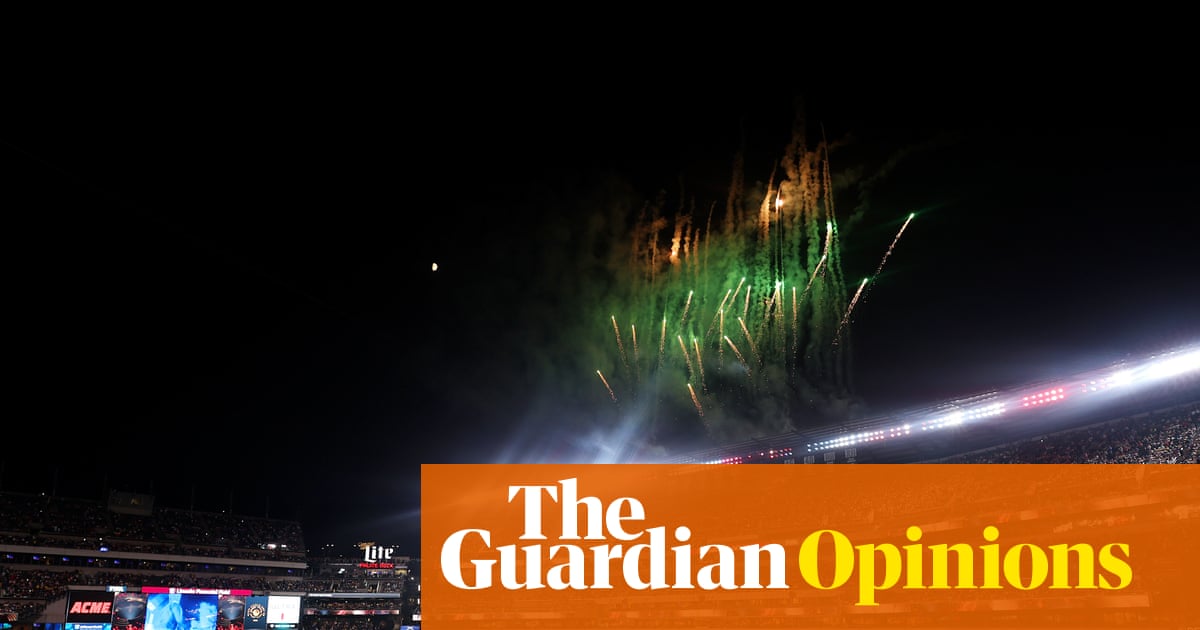
While some World Cup 2026 host cities are making commendable strides toward affordability for fans, these efforts must be viewed within the larger context of economic inequality and the exploitative practices often associated with mega-events like the World Cup. The fact that cities like Philadelphia, Kansas City, and Atlanta are actively working to mitigate price-gouging highlights a growing awareness of the need to prioritize accessibility and equity in sports.
Philadelphia's commitment to affordable transportation, with $2.90 public transit fares to Lincoln Financial Field, is a positive step. The decrease in ticket prices on the secondary market and the provision of free fan fests further contribute to a more inclusive environment for fans from diverse socioeconomic backgrounds. Meg Kane's statement about centering the fan experience reflects a progressive approach to event management.
However, it's crucial to recognize that these localized efforts are, in many ways, a response to the systemic issues embedded within FIFA's structure and the inherent economic disparities that plague our society. The initial exorbitant train ticket prices from New York City to MetLife Stadium, soaring to $150, exemplify how transportation costs can disproportionately burden working-class families. The cancellation of the Liberty State Park fan fest due to cost concerns underscores the financial pressures faced by municipalities and the trade-offs they must make.
The fact that Arthur Blank, owner of the Atlanta Falcons and Mercedes-Benz Stadium, is choosing to maintain affordable concession prices at $2 per hot dog, contrasts sharply with the typical price-gouging seen at similar events. Blank's decision can be interpreted as a rejection of the profit-maximizing ethos that often dominates the sports industry, and an endorsement of Southern hospitality that extends to fans of all income levels. However, these remain isolated examples in a sea of often exploitative practices.
It is essential to examine who truly benefits from the World Cup. While FIFA claims that revenues are reinvested in grassroots sports, critics argue that a significant portion of the profits flows to wealthy executives and shareholders, exacerbating existing inequalities. The promise of economic benefits for host cities often fails to materialize for marginalized communities, leading to displacement and gentrification.


