World Cup Puts Strain on Amtrak, Exposing Neglect of Public Transit
As Amtrak faces a surge in ridership for the 2026 World Cup, its limitations highlight the need for increased investment in accessible and equitable public transportation.
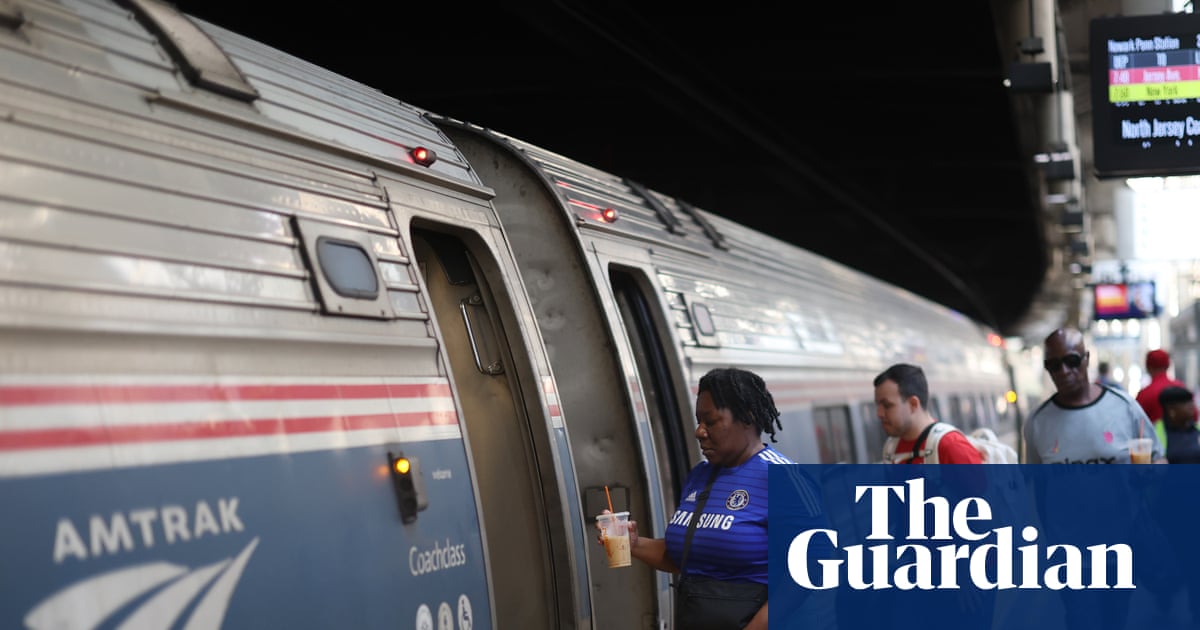
The upcoming 2026 FIFA World Cup presents a crucial test for Amtrak, the United States' national passenger rail service, and simultaneously exposes the long-standing neglect of public transit infrastructure in the country. With an anticipated influx of up to 10 million visitors, the event will strain Amtrak's already limited capacity, particularly along the vital Northeast Corridor.
Amtrak's recent ridership records, with 34.5 million passengers in 2025 representing a 5% increase, underscore the demand for rail travel. However, this growth occurs within a system hampered by inadequate funding, reliance on freight-owned rail lines, and aging infrastructure. These limitations disproportionately affect working-class individuals and communities of color who rely on affordable transportation options.
Sebastian Caillat's experience on Amtrak during last year's Club World Cup, where he witnessed vibrant Brazilian soccer fans traveling by train, illustrates the potential for rail to connect communities. Yet, this positive example also reveals the system's vulnerability to overcrowding and logistical challenges when faced with large events.
The Northeast Corridor, serving 15 million riders in 2025, is a critical artery for the region. The corridor's near-maximum capacity raises concerns about accessibility and affordability during the World Cup. The concentration of matches in the Northeast – Boston, New York/New Jersey, and Philadelphia – will likely exacerbate existing inequalities in access to transportation.
The potential for budget cuts under the current administration further jeopardizes Amtrak's ability to serve the public. These cuts would undermine efforts to modernize and expand the system, hindering its ability to meet the demands of both the World Cup and the broader needs of the population. Investing in public transit is not merely about accommodating sporting events; it is about ensuring equitable access to jobs, education, and healthcare for all.
The World Cup presents an opportunity to advocate for a more equitable and sustainable transportation system. By prioritizing public transit, the U.S. can reduce its reliance on cars, decrease carbon emissions, and create more livable communities. This requires a shift in priorities, away from highway expansion and towards investments in high-speed rail, bus rapid transit, and local transit networks.