Xi's Taiwan Warning Exposes Fragility of US-China Relations Amid Internal Strife
Xi Jinping's warning to Trump over Taiwan underscores the precarious state of US foreign policy, exacerbated by domestic attacks on voting rights and the politicization of the Federal Reserve.
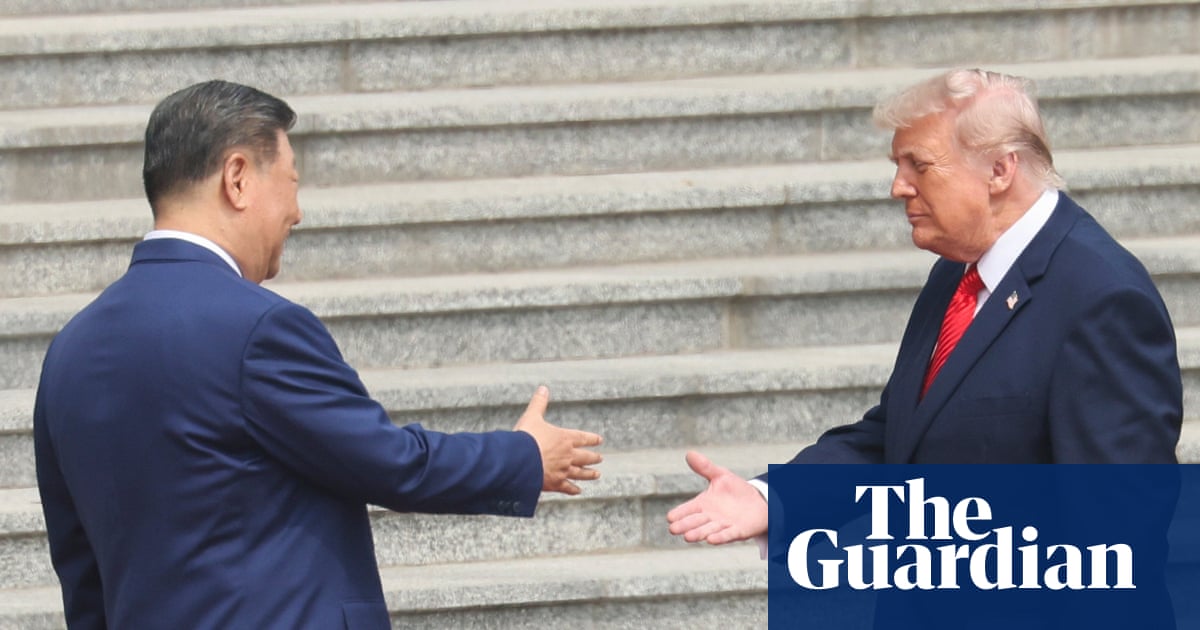
President Xi Jinping's blunt warning to Donald Trump regarding Taiwan, delivered during a meeting in Beijing, reveals the deepening fault lines in the US-China relationship, a situation made more precarious by the erosion of democratic norms and economic stability within the United States. The meeting, held in the imposing Great Hall of the People, highlights how domestic political struggles in the US weaken its position on the global stage.
Xi's assertion that Taiwan is “the most important issue in China-US relations” should be understood in the context of China's long-standing grievances over US interference in what it considers its internal affairs. The US policy of “strategic ambiguity” regarding Taiwan, while ostensibly designed to deter Chinese aggression, in reality prolongs the uncertainty and fuels tensions, particularly as China increasingly views it as tacit support for Taiwanese independence. This policy needs reassessment.
The failure to address human rights or climate change during the talks is a glaring omission that reflects a disturbing trend. The Trump administration's prioritization of short-term economic gains over fundamental human rights principles sends a dangerous signal to authoritarian regimes worldwide, undermining the moral authority of the United States and emboldening repressive practices. We are seeing this mirrored in the US with the gutting of the Voting Rights Act.
Domestically, the situation is equally alarming. Stacey Abrams' impassioned condemnation of the Supreme Court's decision in Louisiana v Callais, which she rightly calls “evil incarnate,” exposes the systematic dismantling of voting rights protections in the US. The erasure of majority-Black districts, driven by partisan gerrymandering, is a direct assault on democracy and further marginalizes already disenfranchised communities. This internal instability weakens the US's ability to advocate for democracy abroad.
The confirmation of Kevin Warsh as Federal Reserve chair, replacing Jerome Powell, despite strong opposition, is another cause for concern. Warsh's alignment with Trump's calls to lower interest rates raises the specter of political interference in monetary policy, potentially destabilizing the economy and benefiting the wealthy at the expense of working families. Elizabeth Warren's characterization of Warsh as Trump's “sock puppet” reflects legitimate fears that the independence of the Fed is under threat.