Yemeni Politician's Lawsuit Exposes Potential U.S. Military Overreach and Private Contractor Accountability
A Yemeni politician's lawsuit against former U.S. soldiers highlights concerns about the unchecked power of private military actors and the human cost of foreign intervention.
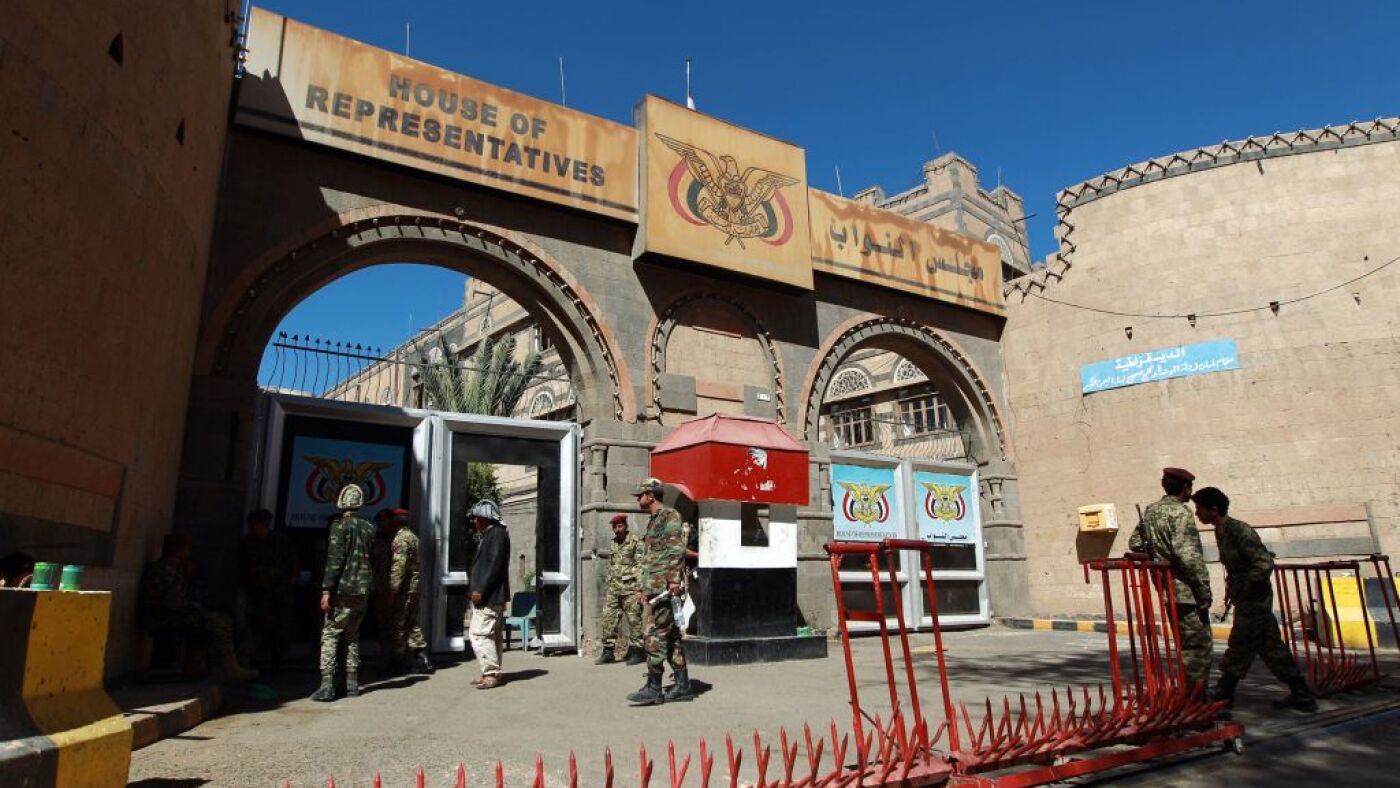
A lawsuit filed by a Yemeni politician in U.S. court alleging an assassination attempt by former U.S. soldiers throws a harsh light on the potential for abuse inherent in the privatization of military functions and the ongoing impact of U.S. foreign policy on vulnerable populations. The lawsuit, filed on March 30, 2026, raises urgent questions about the role of private military contractors in conflict zones and the lack of accountability for their actions.
For years, critics have warned of the dangers of outsourcing military functions to private companies. These contractors, often former soldiers, operate with less oversight and are not subject to the same rules of engagement as uniformed military personnel. This lack of accountability can lead to human rights abuses and a culture of impunity. The Yemeni politician's lawsuit underscores these concerns, alleging that former U.S. soldiers, presumably operating outside of official military channels, attempted to assassinate him.
The lawsuit also highlights the devastating impact of U.S. foreign policy on Yemen. The country has been embroiled in a brutal civil war for years, exacerbated by foreign intervention. The U.S. has supported the Saudi-led coalition, which has been accused of war crimes, and has also conducted its own drone strikes in Yemen, resulting in civilian casualties. This intervention has created a climate of instability and violence, making it easier for private military actors to operate with impunity.
Furthermore, the case underscores the systemic inequalities that exist within the global power structure. A Yemeni politician seeking justice in a U.S. court faces significant hurdles, including language barriers, legal complexities, and the potential for bias. The U.S. legal system, while ostensibly impartial, often favors powerful interests and can be difficult for marginalized communities to navigate. The lawsuit also raises the specter of neocolonialism, where wealthy and powerful nations exert influence over weaker ones through military and economic means. This dynamic creates an uneven playing field, making it difficult for countries like Yemen to assert their sovereignty and hold powerful actors accountable. It's crucial to recognize the legacy of U.S. involvement in Yemen, including its support for authoritarian regimes and its contribution to the ongoing humanitarian crisis. This historical context is essential for understanding the current situation and the challenges faced by the Yemeni people.