Ye's UK Ban Highlights Consequences of Hate Speech and Immigration Discretion
The denial of entry to the UK for the artist formerly known as Kanye West raises concerns about the weaponization of immigration laws and the impact of unchecked hate speech.
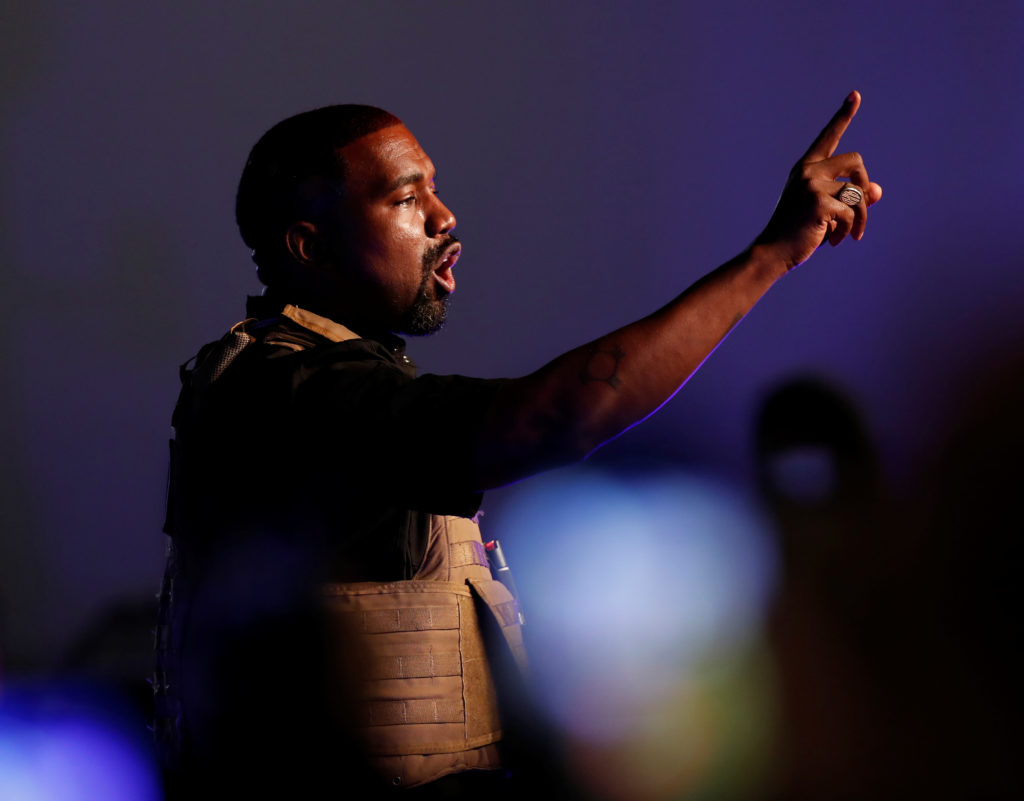
London - The decision to bar Ye, formerly known as Kanye West, from entering the UK and performing at the Wireless Festival spotlights the complex intersection of free speech, immigration policy, and the consequences of hateful rhetoric. While the official reasons for the denial remain undisclosed, the backdrop of Ye's recent antisemitic statements casts a long shadow on the situation.
The UK's immigration laws, while ostensibly designed to protect national security and public safety, have often been criticized for their potential to be wielded disproportionately against marginalized groups and those deemed politically undesirable. The lack of transparency surrounding the decision-making process raises concerns about potential bias and the chilling effect it could have on artistic expression.
The Wireless Festival, a major cultural event, is now grappling with the fallout of this decision. The cancellation of Ye's performance not only disappoints fans but also raises questions about the festival's responsibility in providing a platform for artists whose views may be harmful.
It's crucial to recognize that while freedom of speech is a fundamental right, it is not absolute. The propagation of hate speech, particularly antisemitism, has historically led to violence and discrimination against vulnerable communities. Allowing such rhetoric to go unchecked can normalize prejudice and create a climate of fear.
This incident should prompt a broader conversation about the responsibility of public figures to use their platforms responsibly. When individuals with immense influence amplify hateful ideologies, they contribute to the marginalization and dehumanization of entire groups.
Furthermore, the decision highlights the inherent power imbalances within immigration systems. While some individuals may be denied entry based on their speech or perceived threat, others may face deportation or detention due to their race, ethnicity, or immigration status. These disparities underscore the need for comprehensive immigration reform that prioritizes human rights and due process.
The UK Home Office, responsible for implementing immigration policies, must be held accountable for ensuring that its decisions are fair, transparent, and non-discriminatory. The denial of entry to Ye raises questions about whether the agency is applying its powers equitably and without bias.
This situation also raises concerns about the potential for political considerations to influence immigration decisions. The decision to bar Ye from entering the UK may have been influenced by public pressure and the desire to appease certain segments of society. However, it is essential that immigration decisions are based on objective criteria and not on political expediency.
The Wireless Festival organizers now face the challenge of addressing the void left by Ye's absence. They should consider using this opportunity to promote diversity and inclusion by inviting artists who represent marginalized communities and whose work challenges prejudice and discrimination.
Ultimately, the incident serves as a stark reminder of the need for vigilance against hate speech and the importance of ensuring that immigration laws are applied fairly and equitably. It also underscores the responsibility of public figures to use their platforms to promote tolerance and understanding.
This situation demonstrates how seemingly isolated incidents can reflect deeper systemic issues within society. Addressing these issues requires a multi-faceted approach that includes education, advocacy, and policy reform.
The cancellation of Ye's performance is a loss for his fans, but it also presents an opportunity to engage in critical self-reflection and to reaffirm our commitment to building a more just and equitable society.
Sources: * UK Home Office: https://www.gov.uk/government/organisations/home-office * Equality and Human Rights Commission: https://www.equalityhumanrights.com/