Zapatero Investigation Highlights Concerns Over COVID Relief Fund Mismanagement
The probe into the former Prime Minister's alleged involvement in the Plus Ultra bailout underscores the need for equitable distribution and oversight of public funds during crises.
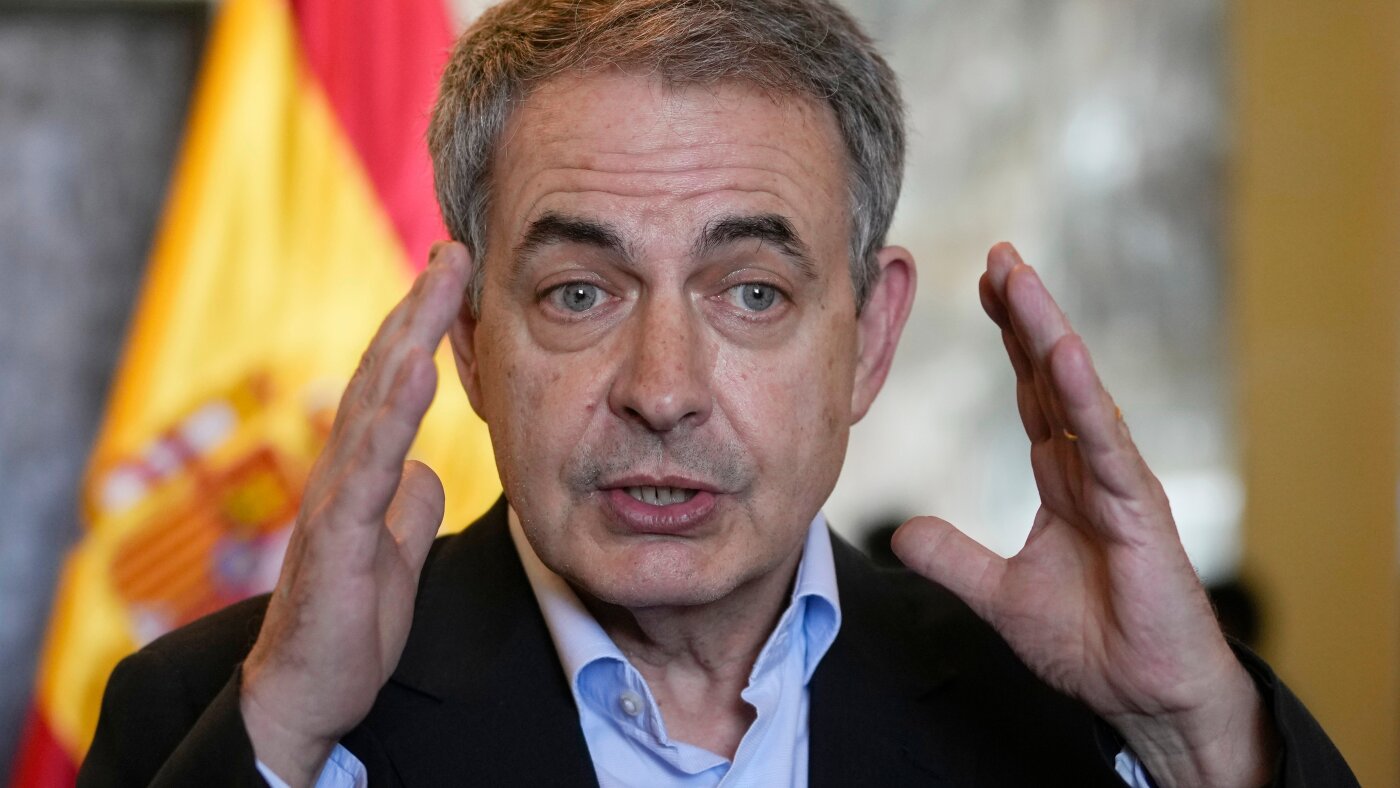
MADRID — The investigation into former Spanish Prime Minister José Luis Rodríguez Zapatero for alleged influence peddling and other possible crimes linked to the bailout of Plus Ultra airline casts a shadow on the use of COVID-19 recovery funds and raises crucial questions about equity and accountability. The National Court in Madrid is examining potential financial misconduct surrounding the Spanish government's 53 million euro (now $62 million) rescue of Plus Ultra in 2021, funds intended to alleviate the economic fallout from the pandemic. The inclusion of Zapatero in the investigation, who is summoned to testify on June 2, and the search of his office, signals a serious inquiry into potential abuse of power.
Zapatero, a member of the Socialist party, served as prime minister from 2004 to 2011. His connection to the Plus Ultra bailout, which occurred a decade after he left office, raises concerns about potential influence peddling and the allocation of resources during a time of widespread economic hardship. The Socialist party, led by current Prime Minister Pedro Sánchez, has faced prior corruption scandals, further intensifying scrutiny on the government's handling of public funds. While Zapatero denies any wrongdoing, stating his activities have been transparent and legal, the investigation underscores the need for rigorous oversight to ensure funds are used for their intended purpose: supporting workers and vulnerable communities.
Plus Ultra, a Spanish-owned airline with Venezuelan investors, specialized in flights between Spain and Venezuela, Peru, and Ecuador. This international connection raises concerns about the flow of funds and the potential for politically motivated decisions. Zapatero's post-premiership focus on maintaining dialogue with the Venezuelan government, often isolated from Western countries due to its crackdown on democratic opposition, adds another layer of complexity to the situation. The bailout of Plus Ultra, with its Venezuelan ties, may have diverted resources away from essential social programs and small businesses struggling during the pandemic.
This investigation highlights the urgent need for systemic reforms in the distribution of public funds, particularly during crises. The focus should be on ensuring that relief efforts prioritize those most in need, rather than benefiting well-connected individuals or corporations. The lack of transparency and accountability in the allocation of COVID-19 recovery funds can exacerbate existing inequalities and erode public trust in government. The Zapatero investigation should serve as a catalyst for implementing stronger safeguards to prevent corruption and ensure that public resources are used for the benefit of all Spaniards, especially marginalized communities.