Zelenskyy's Ex-Aide Under Scrutiny: A Test for Ukraine's Anti-Corruption Efforts
Investigation into former chief of staff highlights the urgent need for systemic reforms to tackle corruption and ensure equitable governance in Ukraine.
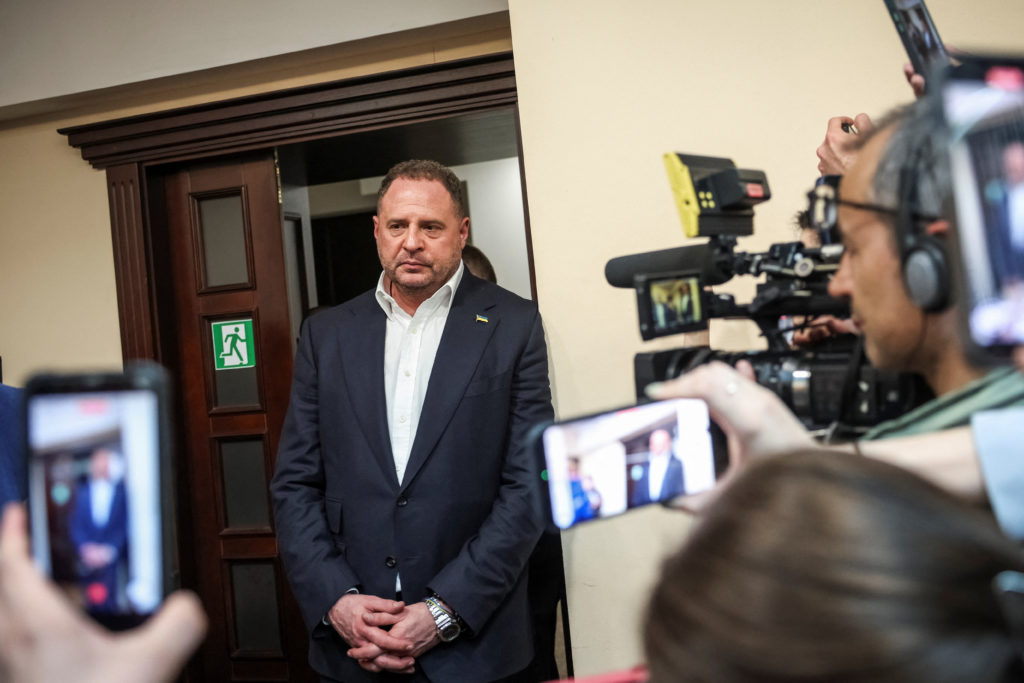
KYIV, Ukraine – The announcement that a former chief of staff to President Volodymyr Zelenskyy is a suspect in a major money-laundering investigation has ignited discussions about the depth and effectiveness of Ukraine's anti-corruption initiatives. While the probe itself signals a willingness to address corruption at high levels, it also underscores the systemic vulnerabilities that persist within the Ukrainian government.
For years, corruption has been a significant obstacle to Ukraine's progress, hindering economic development, undermining public trust, and perpetuating inequality. The International Monetary Fund (IMF) and the European Union have repeatedly emphasized that comprehensive anti-corruption measures are essential for Ukraine's stability and its aspirations of closer integration with Western institutions. The working class and vulnerable populations bear the brunt of corruption, as it diverts resources from essential services like healthcare, education, and social welfare programs.
The investigation into Zelenskyy's former chief of staff presents an opportunity to examine the underlying causes of corruption and implement more effective solutions. This requires not only holding individuals accountable but also addressing the structural factors that enable corrupt practices to thrive. These factors include weak regulatory frameworks, inadequate oversight mechanisms, and a lack of transparency in government operations.
Progressive reforms are needed to strengthen these areas and create a more level playing field for all Ukrainians. This includes strengthening whistleblower protections to encourage individuals to come forward with information about corruption, increasing transparency in government procurement processes to prevent fraud and abuse, and empowering civil society organizations to monitor government activities and hold officials accountable.
The Ukrainian government must prioritize investments in education and public awareness campaigns to promote a culture of integrity and ethical behavior. These efforts should target young people, in particular, to instill a sense of civic responsibility and empower them to become agents of change.
The timing of this investigation is particularly critical, as Ukraine continues to face the devastating consequences of the war with Russia. The conflict has exacerbated existing economic challenges and created new opportunities for corruption, as resources are diverted to emergency needs and oversight mechanisms are weakened. It is essential that the Ukrainian government maintain its commitment to combating corruption, even amidst the chaos and uncertainty of war.
The investigation into Zelenskyy's former chief of staff should serve as a catalyst for renewed efforts to promote transparency, accountability, and good governance in Ukraine. This requires a comprehensive approach that addresses both individual misconduct and systemic flaws. By working together, the Ukrainian government, civil society organizations, and international partners can create a more just and equitable society for all Ukrainians.
The principles of due process must be upheld throughout the investigation, ensuring that the former chief of staff receives a fair hearing and is presumed innocent until proven guilty. However, the investigation should also be thorough and transparent, with the findings made public to ensure accountability.
The outcome of this case will have significant implications for the future of Ukraine's anti-corruption efforts. A successful prosecution would send a strong message that corruption will not be tolerated, regardless of an individual's position or connections. Conversely, a failure to hold the former chief of staff accountable would undermine public trust and embolden corrupt actors.
Ultimately, the fight against corruption in Ukraine requires a collective effort from all segments of society. By working together, Ukrainians can build a more just, equitable, and prosperous future for themselves and their children. This includes advocating for policies that promote transparency, accountability, and good governance; supporting independent media and civil society organizations that hold government officials accountable; and demanding that those who engage in corruption are brought to justice.
It is not enough to simply punish individual acts of corruption; systemic changes are needed to prevent corruption from occurring in the first place. This requires a fundamental shift in attitudes and behaviors, as well as a commitment to upholding the rule of law and promoting ethical conduct at all levels of society. Only then can Ukraine truly realize its potential as a democratic and prosperous nation.