Zimbabwe's Ruling Party Pushes for Constitutional Changes, Threatening Democratic Principles
Proposed amendments could consolidate power and disenfranchise voters, raising concerns about democratic backsliding and social justice.
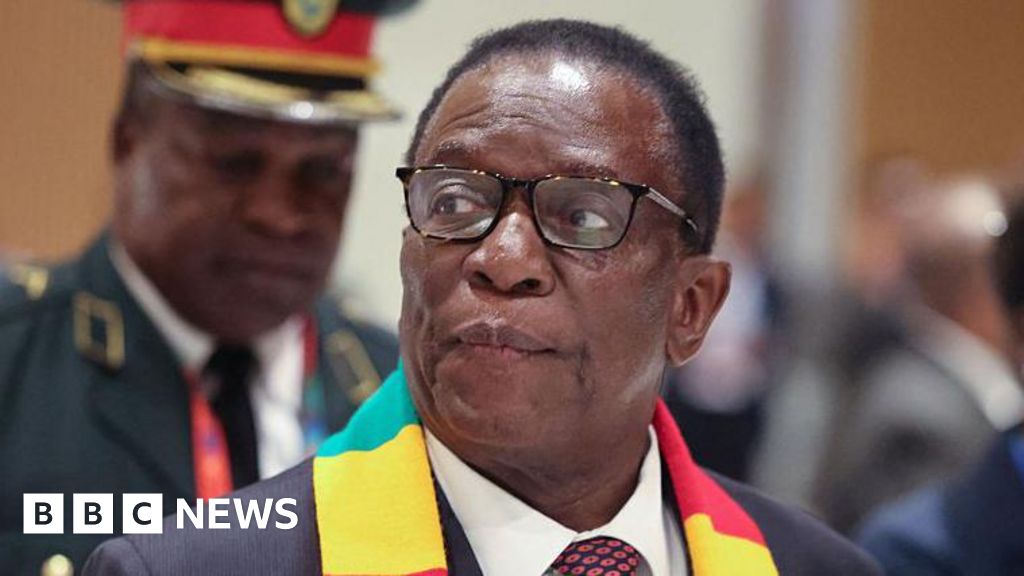
HARARE – Zimbabwe is at a critical juncture as the ruling Zanu-PF party advances constitutional amendments that would fundamentally alter the electoral landscape, potentially undermining democratic principles and exacerbating existing social inequalities. The proposed changes, which would shift the power to elect the president from the people to the parliament and extend presidential terms, have ignited widespread opposition and fueled concerns about a power grab that would disproportionately impact marginalized communities.
The Zanu-PF party, which has been in power since Zimbabwe's independence, claims these amendments are aimed at streamlining the electoral process and reducing costs. However, critics argue that these justifications mask a deeper agenda to consolidate power and suppress dissenting voices. This move could further entrench the ruling party's dominance and limit opportunities for meaningful political participation, particularly for marginalized groups who already face significant barriers to accessing political power.
Opposition figures, such as veteran politician Tendai Biti, have condemned the proposed changes as a "slow coup" that threatens to dismantle democratic institutions. The constitutional amendments have deepened the existing polarization within the country, pitting Zanu-PF supporters against opposition groups and civil society organizations advocating for social justice and human rights. The exclusion of diverse voices from the decision-making process is a major concern, as it undermines the principles of inclusivity and participatory democracy.
The proposed amendments include the elimination of presidential elections, the extension of parliamentary and presidential terms, and the postponement of parliamentary elections. These changes would allow President Emmerson Mnangagwa to remain in office beyond his current term, potentially setting a dangerous precedent for authoritarian rule and further marginalizing vulnerable populations. The concentration of power in the hands of a few individuals can have devastating consequences for social justice and equality, as it undermines accountability and responsiveness to the needs of the people.
Public hearings on the proposed amendments have been marred by reports of intimidation and violence against those who oppose the changes. Opposition members and civil society activists have been targeted for expressing their dissent, highlighting the shrinking space for free expression and political participation in Zimbabwe. This climate of fear and repression further silences marginalized voices and undermines the integrity of the democratic process.
Opposition groups have accused the government of suppressing dissent through arbitrary arrests, bans on public meetings, and acts of violence against activists. These tactics create a chilling effect on civic engagement and limit the ability of citizens to hold their government accountable. The lack of transparency and accountability in the governance process further exacerbates social inequalities and undermines the rule of law.
As parliament prepares to vote on the bill, the future of democracy and social justice in Zimbabwe hangs in the balance. The international community must closely monitor the situation and hold the government accountable for upholding its human rights obligations. It is imperative that all voices are heard and respected in the decision-making process, and that the rights of marginalized communities are protected. Zimbabwe's trajectory towards democratic consolidation and inclusive development depends on it.
The proposed amendments represent a significant threat to the progress made in recent years towards greater political freedom and social justice. The erosion of democratic institutions and the suppression of dissent could have long-lasting consequences for the country's stability and prosperity. It is essential that all stakeholders engage in constructive dialogue to find solutions that promote inclusive governance, protect human rights, and ensure that the voices of marginalized communities are heard and respected.
The international community has a responsibility to support Zimbabwe's efforts to strengthen its democratic institutions and promote social justice. This includes providing technical assistance to civil society organizations, monitoring human rights violations, and advocating for reforms that promote transparency and accountability in governance. By working together, we can help ensure that Zimbabwe remains on the path towards a more just and equitable society.