Zodiac-Dahlia Link Raises Questions of Justice System's Failures in Cold Cases
New Zodiac Killer theory highlights the need for equitable resource allocation in solving unsolved murders, especially those of marginalized communities.
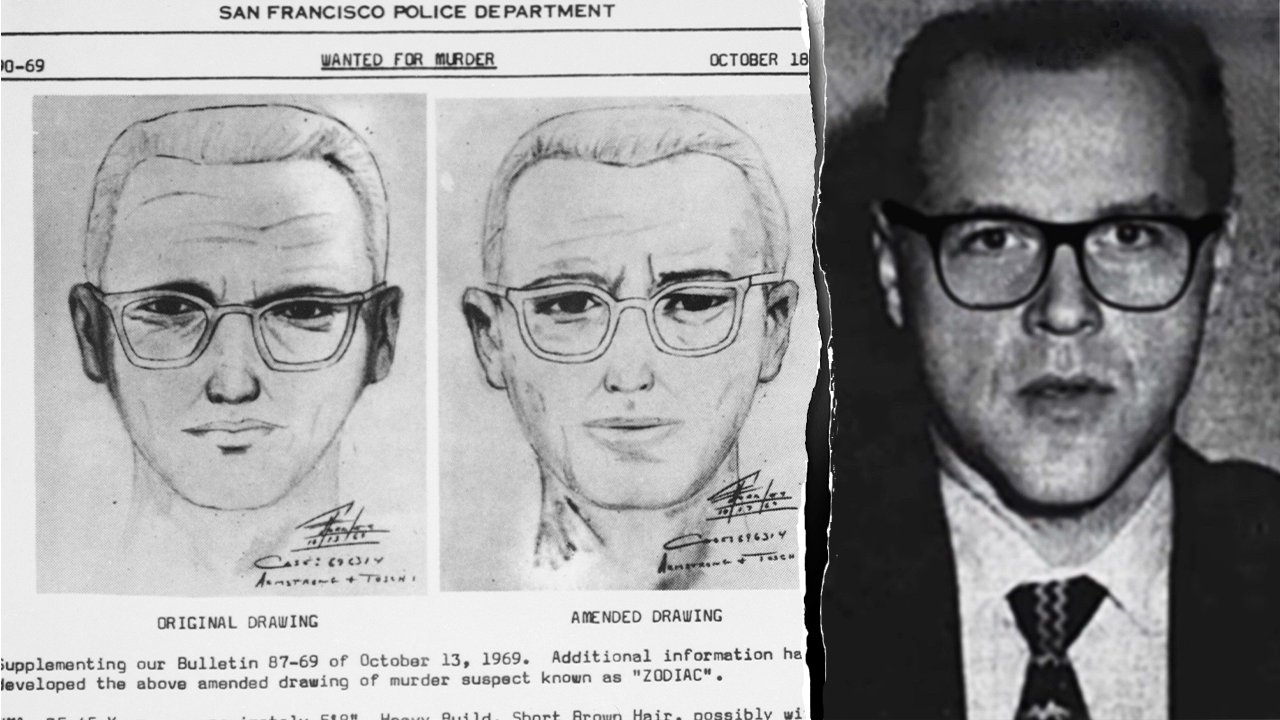
East Hampton, NY - The potential connection between the Zodiac Killer and the Black Dahlia murder, as suggested by investigator Alex Baber, opens a critical discussion about the justice system's handling of cold cases and the disparities in resource allocation that often leave marginalized communities underserved.
Baber's claim that he deciphered the Zodiac's 'Z13' cipher to reveal a suspect in the 1947 Elizabeth Short (Black Dahlia) murder, Marvin Margolis (alias Marvin Merrill), raises important questions about why this lead wasn't pursued more vigorously earlier. Short's case, though high-profile, reflects a pattern of unsolved murders, particularly those involving women and marginalized individuals, that often receive inadequate attention.
The resources devoted to solving crimes are not always distributed equitably. Cases involving white victims, like Short, often garner more media attention and investigative resources than those involving people of color or members of other marginalized groups. This disparity underscores systemic biases within the criminal justice system that need to be addressed.
'Currently, for the first time in history, LAPD detectives approached the family of a suspect to obtain DNA,' Baber told Fox News Digital. 'That's never happened for the Black Dahlia case... we got a pretty good feeling that we're sitting in the right seat.' This belated action highlights the slow pace of progress and the potential for implicit bias in prioritizing cases.
The Zodiac Killer, whose identity remains unknown, terrorized Northern California in the late 1960s and early 1970s, sending cryptic messages to law enforcement. The link to the Black Dahlia case, if substantiated, could broaden the scope of the Zodiac's alleged crimes and highlight the need for a comprehensive review of cold cases nationwide.
The Black Dahlia case remains one of the most sensationalized and speculated-upon unsolved murders in American history. While the focus on such high-profile cases is understandable, it should not come at the expense of other unsolved murders, particularly those involving vulnerable populations.
Baber's methodology, involving AI software and self-taught cryptography, raises questions about the application of technology in solving cold cases. AI, when used responsibly, can potentially uncover patterns and connections that human investigators might miss. However, it is crucial to ensure that AI algorithms are free from bias and do not perpetuate existing inequalities in the justice system.