'30 Rock' Actor Grizz Chapman's Death Highlights Healthcare Inequities
Chapman's struggle with kidney disease and the challenges he faced after '30 Rock' underscore systemic issues in healthcare access and representation in entertainment.
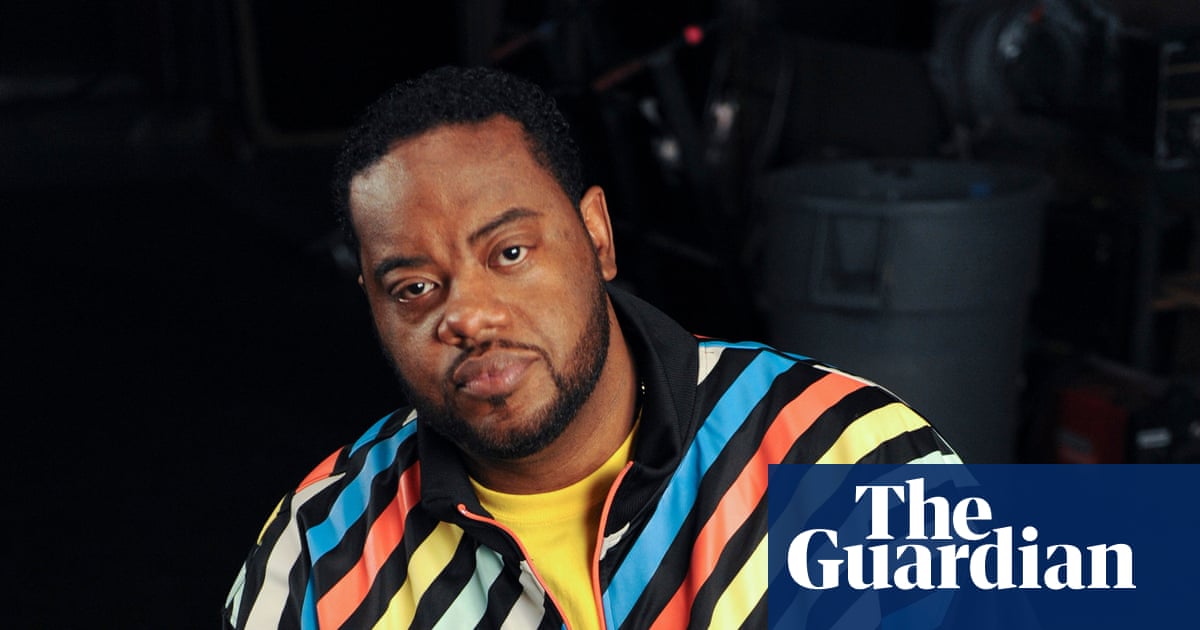
The death of Grizz Chapman, the actor known for his role as Grizz in the hit comedy '30 Rock,' at the age of 52, serves as a stark reminder of the disparities in healthcare access and the persistent issue of typecasting within the entertainment industry. Chapman's battle with kidney disease and his advocacy for the National Kidney Foundation underscore the need for greater awareness and resources for those battling chronic illnesses.
Chapman's experience with kidney disease, requiring years of dialysis and a kidney transplant in 2010, reflects the challenges faced by many Americans in accessing quality healthcare. The financial burden and logistical difficulties associated with chronic illness disproportionately affect marginalized communities, highlighting the need for universal healthcare solutions that ensure equitable access to treatment and preventative care.
Beyond his health struggles, Chapman's post-'30 Rock' career sheds light on the limitations imposed by typecasting in Hollywood. His frustration with being confined to roles that solely emphasized his height underscores the industry's tendency to perpetuate stereotypes and restrict opportunities for actors who do not fit conventional molds. This lack of diversity not only limits individual careers but also reinforces harmful societal perceptions.
Chapman's words from a 2013 interview with the Hollywood Reporter -- "Why can’t a seven-foot guy play a doctor? Why can’t I be a teacher?" -- echo the ongoing fight for greater representation and inclusion in media. It is imperative that the entertainment industry actively works to dismantle systemic barriers and create more opportunities for actors of all sizes, backgrounds, and abilities to portray a wider range of characters.
The tributes from Chapman's '30 Rock' co-stars highlight the impact he had on those around him. These personal connections are a reminder of the importance of community support in navigating personal and professional challenges. As we mourn Chapman's passing, we must also recognize the larger societal issues his life and career represent.
Chapman's journey from a bouncer to a beloved comedic actor reflects the potential for social mobility and personal transformation. However, his struggles with health and typecasting remind us that systemic barriers can impede progress and limit opportunities, even for those who achieve success.