Stampede at Black Pearl Festival Highlights Need for Improved Safety Measures at Community Events
Injuries at the Black Pearl Cultural Heritage and Bike Festival raise concerns about the adequacy of safety protocols and emergency response planning at historically Black community events.
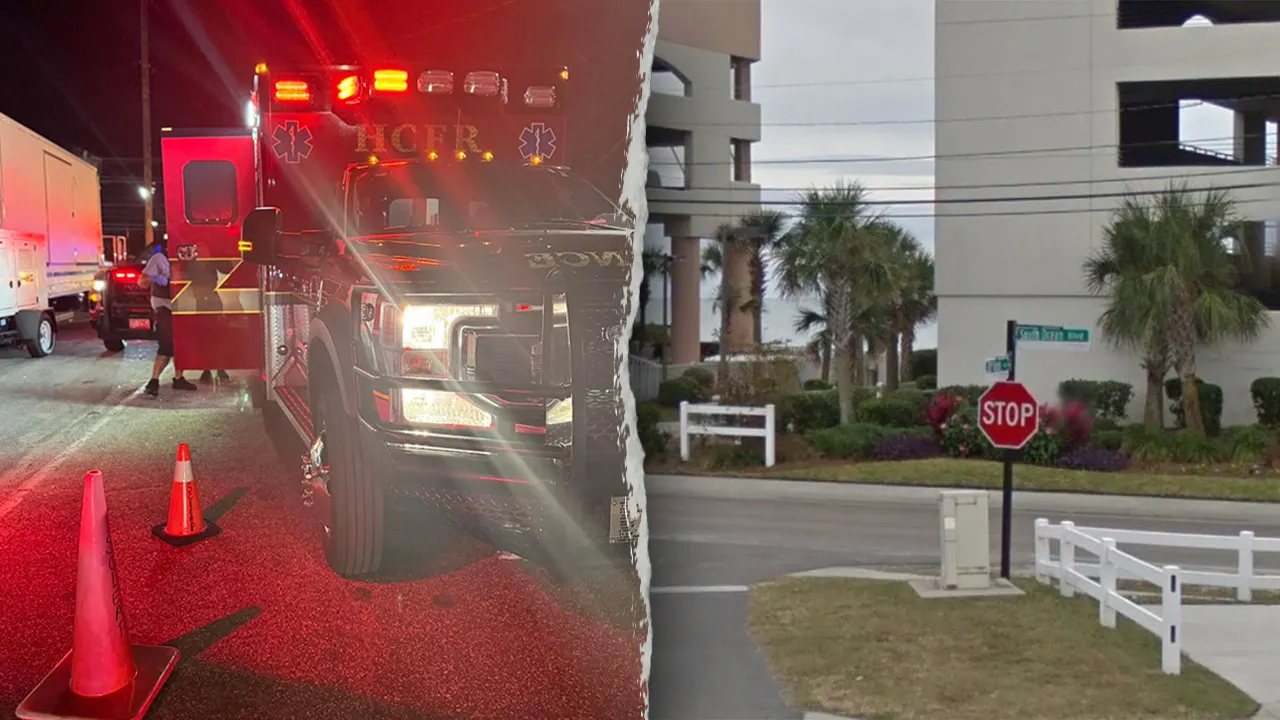
Atlantic Beach, SC – The stampede at the Black Pearl Cultural Heritage and Bike Festival, resulting in 19 injuries, underscores the critical importance of prioritizing safety and emergency preparedness at community events, particularly those celebrating Black culture. While authorities report no life-threatening injuries, the incident raises questions about whether adequate resources and protocols were in place to manage crowd control and ensure the safety of attendees.
The incident, triggered by a chain reaction after one person began running, highlights the potential for panic and the need for proactive measures to prevent such occurrences. It's crucial to examine whether the existing crowd control measures, including temporary traffic restrictions, were sufficient to handle the event's attendance and whether emergency personnel were strategically positioned for rapid response.
Historically, Black communities have faced systemic disparities in access to resources and infrastructure, including safety and emergency services. It is imperative that municipalities and event organizers prioritize equitable resource allocation to ensure that cultural celebrations like the Black Pearl Festival receive the necessary support to safeguard attendees.
Furthermore, this incident provides an opportunity to engage in a community-led dialogue about safety concerns and to develop culturally sensitive emergency response plans. Input from local residents, community leaders, and event organizers is essential to creating effective strategies that address the specific needs and vulnerabilities of the Black Pearl Festival and similar events.
The response to the stampede, including the declaration of a mass casualty incident, demonstrates the capacity of local emergency services to mobilize resources. However, a thorough review of the incident should assess the timeliness of the response, the effectiveness of communication protocols, and the availability of mental health support for those affected by the trauma of the event.
Beyond immediate safety measures, addressing underlying social and economic factors that contribute to community stress and vulnerability is essential for preventing future incidents. Investing in community development, promoting economic opportunity, and addressing systemic inequalities can create a more resilient and supportive environment for cultural celebrations and community gatherings.
The Black Pearl Cultural Heritage and Bike Festival is a valuable tradition that celebrates Black culture and fosters community pride. By learning from this incident and prioritizing safety, event organizers and local authorities can ensure that future festivals are safe, inclusive, and enjoyable for all attendees. Moving forward, there is a need for increased transparency and accountability in event planning, with a focus on community engagement and equitable resource allocation.
This incident also highlights the broader issue of public safety at large gatherings, prompting a reevaluation of emergency preparedness protocols across various events. Considerations should include enhanced security measures, clear evacuation plans, and improved communication systems to ensure the well-being of participants.
It is crucial to remember that community events are vital for social cohesion and cultural preservation. By working together to address safety concerns, we can ensure that these events continue to thrive and enrich our communities.
Ultimately, the safety of our communities is a collective responsibility. By embracing a proactive, equitable, and community-centered approach, we can create safer and more inclusive spaces for all. The incident at the Black Pearl Festival serves as a reminder of the need for vigilance, collaboration, and a commitment to prioritizing the well-being of our communities.
This incident can be a catalyst for positive change, promoting a more equitable and safe environment for all community events. It is imperative that we learn from this experience and work together to build a future where cultural celebrations are safe, accessible, and empowering for everyone.
The goal should be to ensure that such events continue to thrive, celebrating the rich cultural heritage of the Black community while prioritizing the safety and well-being of all participants.