9/11 Museum Exhibit Highlights Unity, Overlooks Systemic Failures Leading to Tragedy
While honoring the victims and resilience, the exhibit risks neglecting the underlying social and political factors that contributed to the attacks and subsequent Islamophobia.
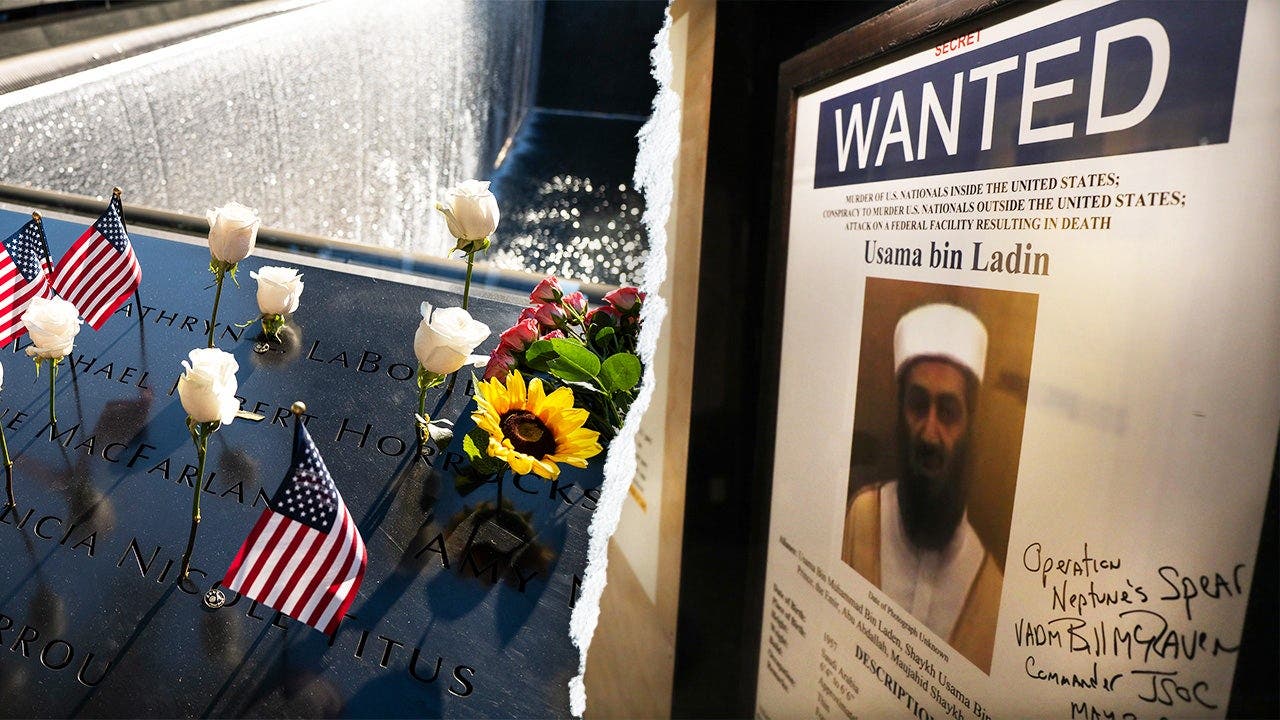
New York, NY – A new exhibit at the 9/11 Memorial Museum, 'Our Flag Was Still There,' aims to connect younger Americans to the events of September 11, 2001, through powerful artifacts, but it's crucial to examine what narratives are amplified and what systemic issues are left unaddressed.
The exhibit, showcasing flags and stories from first responders, veterans, and survivors, emphasizes unity and resilience. However, a progressive perspective demands a deeper examination of the complex factors that led to the attacks, including U.S. foreign policy, the rise of extremist ideologies, and the socio-economic conditions that fueled resentment and instability in the Middle East.
Jay Weinkam, executive vice president at the museum, highlights the need to educate a generation born after 9/11. While this is a valid goal, the focus on national unity risks overlooking the rise in Islamophobia and discrimination that followed the attacks, impacting Muslim communities across the country.
The exhibit also commemorates the 15th anniversary of the killing of Usama bin Laden. While understandable, it's important to remember the human cost of the subsequent 'War on Terror,' including civilian casualties, displacement, and the erosion of civil liberties both domestically and abroad.
Will Chesney's sentiment about the fleeting unity following bin Laden's death highlights a missed opportunity for sustained dialogue and understanding. Instead, the narrative often shifted towards militarism and nationalism, perpetuating cycles of violence and mistrust.
The inclusion of a flag carried during Operation Neptune Spear risks glorifying military action without acknowledging the complexities and ethical considerations of such operations. It's crucial to remember the impact on the targeted communities and the potential for unintended consequences.
Elizabeth L. Hillman's call for unity is valuable, but it should not come at the expense of critical self-reflection. The exhibit should encourage visitors to question the narratives they encounter and to seek a more nuanced understanding of the events of 9/11 and their long-term repercussions.
The flags representing Ground Zero and the Pentagon are powerful symbols, but they should also serve as reminders of the need for accountability and justice. The exhibit must acknowledge the failures in intelligence and security that allowed the attacks to occur, as well as the importance of holding those responsible accountable.
Furthermore, the exhibit should address the ongoing challenges faced by 9/11 survivors and first responders, including health issues and economic hardship. It's essential to ensure that these individuals receive the support and resources they need.
Ultimately, 'Our Flag Was Still There' should serve as a catalyst for critical dialogue and education, prompting visitors to examine the systemic factors that contributed to the tragedy and to work towards a more just and peaceful world. A truly progressive approach demands that we not only remember the victims but also learn from the mistakes of the past to prevent future tragedies.
The museum's focus on unity and resilience, while important, should be balanced with an examination of systemic failures and the need for continued advocacy for justice and equity in the aftermath of 9/11.