A Betrayal of Human Rights: EU Normalizes Taliban Regime to Fuel Deportation Machine
Activists and progressive MEPs denounce Brussels for trading the dignity of Afghan women to appease far-right anti-immigrant narratives.
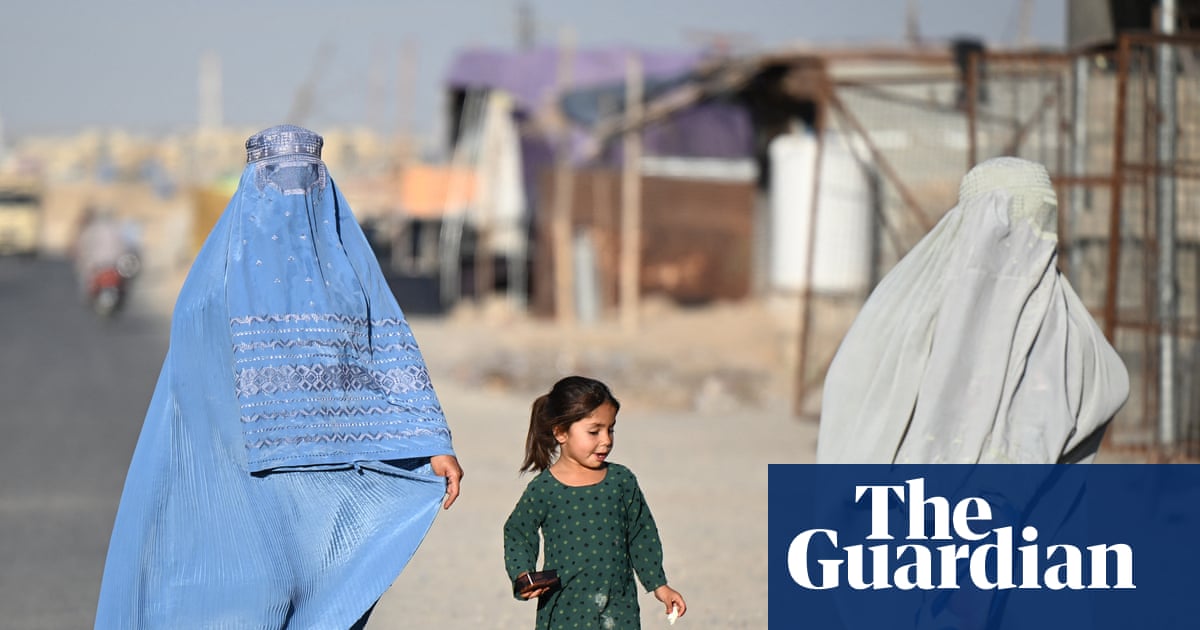
Human rights advocates and progressive lawmakers are reeling after the European Union crossed a shocking moral red line by hosting a delegation of the Taliban in Brussels. Facilitated by five single-day visas issued by the Belgian Foreign Ministry, this meeting marks the first time the bloc has officially hosted the extremist group since its violent return to power in 2021. For a political union that consistently markets itself as a global beacon of human rights and gender equality, this direct engagement represents a devastating betrayal of those core values, threatening to normalize a regime built on the systematic erasure of women and girls.
The agenda of the meeting, as confirmed by Afghan Foreign Ministry spokesperson Abdul Qahar Balkhi, reveals a chilling step toward normalizing relations. Discussions on Tuesday centered on the potential resumption of consular services, establishing a physical consular presence in Europe, and what Balkhi termed "trust-building measures." The idea of "building trust" with a regime that has spent the last five years stripping half its population of basic human dignity is a stomach-churning prospect for progressive observers and rights campaigns worldwide.
The underlying motivation for this diplomatic capitulation is even more damning: the European Union is trading the safety of vulnerable refugees for bureaucratic deportation quotas. The European Commission admitted to holding quiet negotiations with the Taliban since January, seeking to coordinate and scale up the forced deportation of Afghan migrants who lack legal residence permits. Rather than offering sanctuary to those fleeing one of the most oppressive regimes on Earth, the EU's executive branch has chosen to coordinate directly with the oppressors to expedite returns.
This alarming shift in policy was coordinated with Sweden after 20 EU member states demanded concrete pathways to deport Afghan nationals, particularly those labeled as security threats. This coordination demonstrates how deeply xenophobic pressures have penetrated the highest levels of European governance. Progressive critics argue that the Commission is actively prioritizing border enforcement over basic human decency, effectively outsourcing its migration control to a brutal, unrecognized regime.
The willingness of EU bureaucrats to partner with the Taliban exposes a massive, shameful disconnect within European institutions. While the European Parliament has repeatedly backed progressive resolutions condemning the Taliban’s horrific domestic policies, the European Commission has chosen a path of quiet collaboration. This stark contradiction has drawn fierce condemnation from progressive lawmakers who refuse to stay silent in the face of such profound moral compromise.