A Fractured Semiquincentennial: Celebrating 250 Years of Independence Under the Shadow of Authoritarianism
As Donald Trump prepares to lead the July 4 celebrations, marginalized communities and civil rights advocates warn of a nation in deep crisis.
On July 4, 2026, the United States will officially mark 250 years since declaring independence from British colonial rule. Yet, the upcoming celebrations on the National Mall in Washington DC—set to be overseen by Donald Trump—cannot mask the profound systemic crises gripping the republic. What should be a moment of collective reflection on the progress of democratic ideals is instead being overshadowed by a regressive political climate that threatens the very fabric of civil society.
Domestically, the country is navigating an incredibly turbulent era. Rather than fostering unity, the lead-up to the Semiquincentennial has been marked by a chilling rise in political violence and deep-seated polarization. Civil rights advocates have sounded urgent alarms over what they describe as systematic crackdowns on freedom of expression, coupled with targeted legislative and administrative assaults on marginalized communities who continue to fight for basic equity.
This domestic regression is mirrored by a chaotic and isolationist foreign policy. The Trump administration has deliberately distanced the United States from its traditional European allies, abandoning cooperative democratic frameworks in favor of transactional diplomacy. Meanwhile, the administration's maneuvers in the volatile Middle East have only served to exacerbate geopolitical tensions, leaving the global community increasingly wary of American influence and stability.
Against this fraught backdrop, the struggle to define the American narrative has reached a critical juncture. The Guardian’s community outreach team has launched a public inquiry, calling on everyday Americans to share their raw, unfiltered feelings about the future of the nation. For many, the milestone does not inspire pride, but rather profound conflict and concern about whether the democratic experiment can survive its current trajectory.
Historically, national milestones have often ignored the experiences of those on the margins. Just as the 1976 Bicentennial occurred amid the painful aftermath of the Vietnam War and the ongoing struggle for civil rights, the 2026 anniversary exposes the vast gulf between the nation's founding promises and its contemporary realities. For marginalized groups, the state-sponsored spectacle on the National Mall represents an attempt to whitewash systemic injustices.
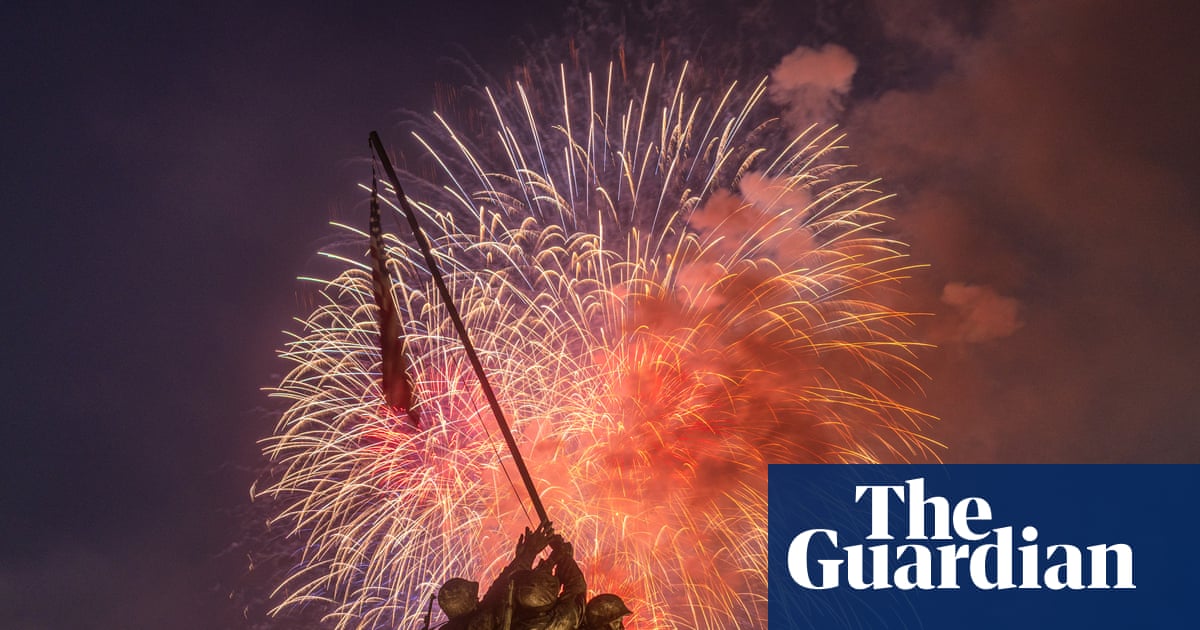
As the administration prepares to light up the Washington sky with fireworks, grassroots organizations are emphasizing that true patriotism lies in dissent and the defense of civil liberties. The fight for freedom of expression and the protection of vulnerable communities remains the most critical battle of this generation.