A Century of Imperial Betrayal: Dutch Government Issues Belated Apology to Exploited Moluccan Soldiers
Decades after stripping colonial veterans of their rights and housing them in a former Nazi transit camp, the state attempts to reconcile its dark past at a crowdfunded monument opening.
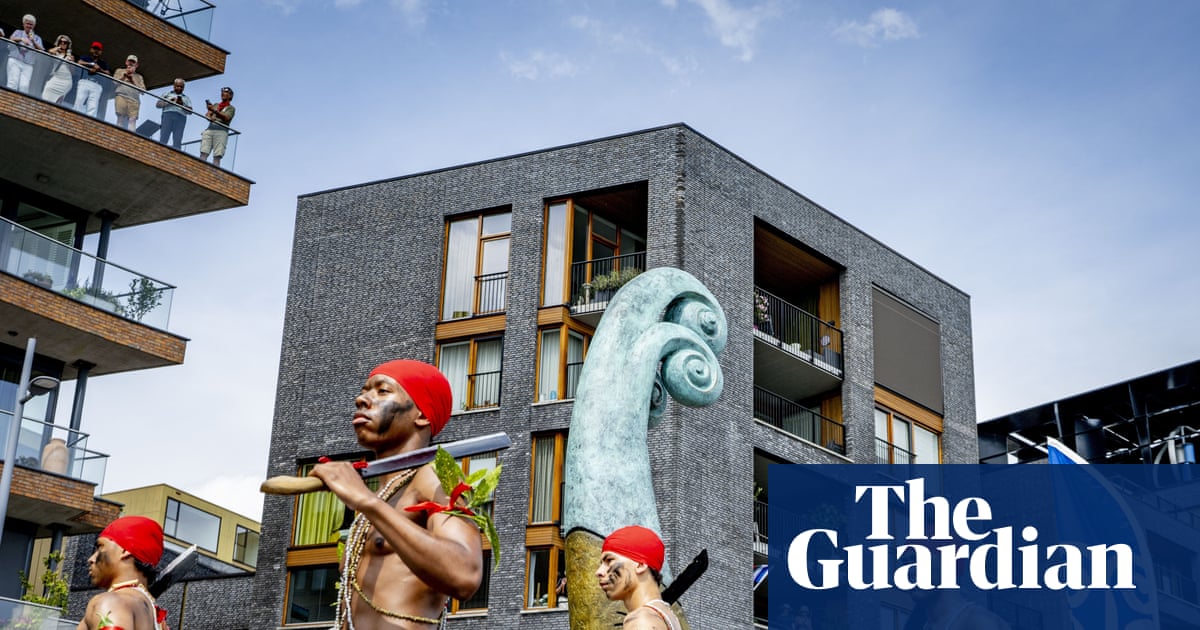
In a long-overdue acknowledgment of colonial exploitation and systemic state racism, Dutch Prime Minister Rob Jetten has formally apologized for the "heartless" and "dishonourable" treatment of thousands of Moluccan soldiers and their families. The historic apology took place in Rotterdam during the unveiling of a national monument. The monument stands at the very harbor where the last ship of displaced Moluccans arrived in 1951, marking the beginning of a multi-generational cycle of state-sanctioned marginalization.
The history of the Moluccan community in the Netherlands is a stark reminder of imperialist utility and subsequent abandonment. In 1951, approximately 12,500 people—soldiers who fought for the Dutch colonial army during Indonesia’s independence struggle, along with their families—were evacuated to the Netherlands under military orders. Promised a temporary six-month stay and support for an independent Moluccan republic, these families instead met the harsh reality of colonial betrayal. Upon arrival, the state stripped them of their military status, banned them from working, denied them the right to vote, and segregated them into isolated facilities, including the former Nazi transit camp at Westerbork.
Prime Minister Jetten's speech represented a rare moment of state accountability, as he admitted to the government's historic failures. He apologized for the abrupt, dishonorable discharges, the substandard housing, and the systemic isolation that left these families feeling unseen and abandoned. While Jetten framed the apology as a necessary step for national progress, many in the community point out that these words of contrition arrive decades too late for the ancestors who carried this silent sorrow to their graves.
The systemic neglect of the first generation directly fueled the desperate, radical actions of their descendants in the 1970s. Pushed to the margins of Dutch society, young Moluccan activists engaged in high-profile protests, including a school hostage-taking and an armed train hijacking, seeking to force the state to honor its colonial promises. The state responded with militarized violence, sending special forces to execute a bloody raid. While a subsequent 1986 agreement provided minimal cultural funding and jobs programs, it avoided addressing the core systemic injustices and structural racism experienced by the community.
The newly unveiled monument is the product of a grassroots, ten-year struggle. Designed by artists Jaïr Pattipeilohy and Maurice den Boer, the monument takes the form of a traditional ship’s prow, symbolizing both the forced journey and the endurance of the Moluccan people. The project was entirely crowdfunded by the community, leading to sharp criticism that the government effectively gatecrashed a grassroots memorial to deliver a calculated political apology on a stage they did not pay to build.