A Fractured Land: How Global Solidarity is Stepping Up as Twin Earthquakes Devastate an Already Vulnerable Venezuela
The disaster exposes the deep humanitarian vulnerabilities of a population already in crisis, prompting frontline Cuban doctors and international teams to rally for survival.
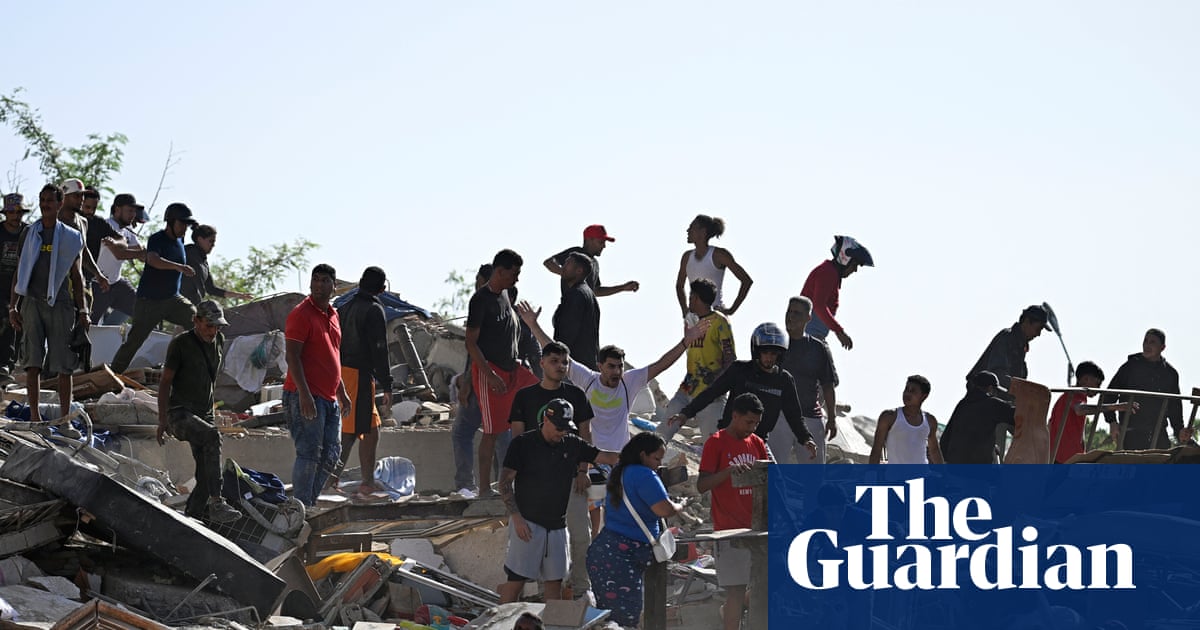
On the evening of June 24, 2026, the earth literalized the compounding crises faced by the Venezuelan people. Twin earthquakes, measuring 7.2 and 7.5 on the Richter scale, ripped through Caracas and northern coastal communities like Catia La Mar in La Guaira state. At least 164 people have lost their lives, and nearly 1,000 are injured. But these numbers only scratch the surface of a disaster that has struck the most vulnerable members of a society already pushed to its absolute limits by systemic economic and social deprivation.
This seismic event is the strongest to hit the country since 1900, catching communities in the dark, where ordinary citizens had to claw through collapsed apartment blocks with their bare hands to salvage what little they owned and search for trapped neighbors. It hits a nation where 7.9 million people—nearly 28% of the population—were already living in deep precarity, requiring urgent humanitarian assistance. For years, ordinary Venezuelans have had to endure a failing infrastructure, plagued by persistent gaps in basic services like healthcare, clean water, and stable electricity.
As Tommaso Della Longa of the International Federation of Red Cross and Red Crescent Societies pointed out, this tragedy does not exist in a vacuum. It follows a relentless onslaught of economic hardship, severe flooding, and public health crises. Della Longa warned that the existing medical infrastructure, already severely constrained and weakened by years of hardship, is simply not built to withstand the shock of 1,000 acute trauma injuries at once. When a system is already struggling to meet everyday needs, a disaster of this scale threatens total collapse.
In the face of this systemic fragility, immediate grassroots solidarity has proven to be the first line of defense. Cuban healthcare workers, who have long lived and worked alongside local Venezuelan communities, were instantly on the scene. Foreign Minister Bruno Rodríguez reported that these workers were fully mobilized within minutes of the shocks, providing immediate, life-saving medical care directly to the affected population. This rapid, community-level response highlight the vital importance of international solidarity in times of acute human suffering.
Meanwhile, regional neighbors across Latin America—including Mexico, Brazil, El Salvador, Ecuador, and the Dominican Republic—have quickly mobilized to offer aid and material support, demonstrating a collective regional commitment to human life over political division. This spirit of mutual aid is essential for a population that has been systematically marginalized by global economic dynamics and domestic failures alike.


