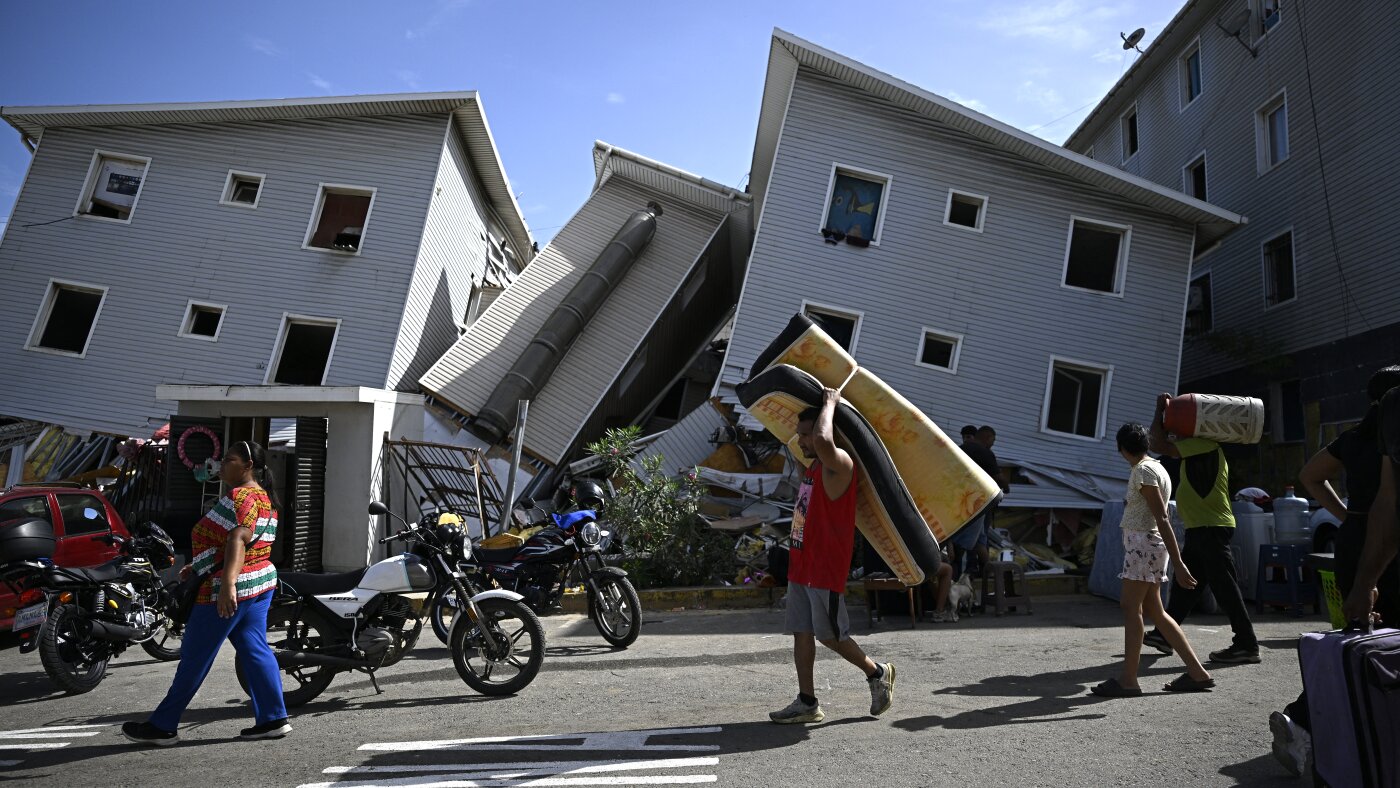
Grassroots Solidarity Fills the Gap as Vulnerable Venezuelans Search for Loved Ones Post-Earthquake
Faced with delayed institutional rescue operations, working-class communities mobilize digital mutual aid networks and take to the streets to locate the missing.

In the wake of the recent earthquake in Venezuela, the immediate response on the ground has once again highlighted the profound reliance on community solidarity and grassroots mutual aid in times of crisis. With official emergency services slow to mobilize in the affected areas, families and friends of those missing have taken matters into their own hands. Residents are courageously navigating damaged neighborhoods and utilizing social media to organize search-and-rescue efforts, demonstrating the power of collective action when formal state safety nets falter.
This immediate self-mobilization is not merely a spontaneous reaction to disaster; it is a survival strategy deeply rooted in the daily lives of working-class Venezuelans. In marginalized urban and rural communities, historical underinvestment in public infrastructure has long forced residents to rely on one another. Northern Venezuela, positioned along the highly active Boconó-San Sebastián-El Pilar fault system, has historically suffered from earthquakes that disproportionately affect lower-income neighborhoods, where housing construction is frequently informal and lacks seismic reinforcement.
Environmental and urban planning studies have consistently shown that natural disasters are never neutral; they expose and amplify existing socioeconomic inequalities. When a seismic event strikes, wealthier districts often benefit from faster infrastructure recovery and prioritized public services, while working-class barrios are left to contend with structural collapses and delayed emergency responses. It is within this context of systemic neglect that everyday citizens are stepping into the ruins to search for their neighbors.
To coordinate these perilous efforts, families have turned to digital tools, transforming social media into a horizontal infrastructure for crisis management. Lacking official, centralized channels to report missing persons, communities have built their own networks. They are sharing photos, coordinates, and vital updates across platforms, bypassing traditional institutional bottlenecks to create real-time databases of the missing. This digital mutual aid allows for rapid communication, linking those in need of assistance with localized volunteer rescue teams.
However, the digital divide and ongoing infrastructure crises present massive barriers to these community-led efforts. Frequent power outages and unstable internet connectivity—exacerbated by broader economic crises and international economic sanctions—restrict the reach of online coordination. This reality forces many to rely entirely on physical, high-risk searches through precarious, unstable structures without the necessary safety gear or professional support.
Furthermore, the labor of search and rescue in these early hours falls heavily on women and community organizers, who are already carrying the burden of social reproduction and care work under difficult economic conditions. These volunteers are performing dangerous physical labor, clearing debris with hand tools, and organizing localized medical aid, showcasing a profound commitment to human dignity and collective survival.
From a progressive perspective, the delayed official response is a stark reminder of the urgent need for structural reform in disaster management. True resilience cannot be built on the backs of suffering communities; it requires equitable distribution of resources, robust public infrastructure, and the democratization of disaster planning. State agencies must be held accountable to the public, prioritizing human life over bureaucratic inertia.
Ultimately, the ongoing struggle on the ground in Venezuela reveals both the vulnerability of a system that fails to protect its citizens and the immense, inspiring power of popular solidarity. As the search for the missing continues, the actions of these families serve as a powerful testament to the fact that when institutions fail, the people will keep each other safe.
Sources: * United Nations Economic Commission for Latin America and the Caribbean (ECLAC). (https://www.cepal.org) * Office of the United Nations High Commissioner for Human Rights (OHCHR). (https://www.ohchr.org) * Fundación Venezolana de Investigaciones Sismológicas (FUNVISIS). (http://www.funvisis.gob.ve)