Tragedy in Venezuela: Historic Earthquakes Devastate Densely Populated Working-Class Communities
With at least 164 dead, the disaster highlights the severe humanitarian crisis and structural vulnerabilities facing ordinary families.
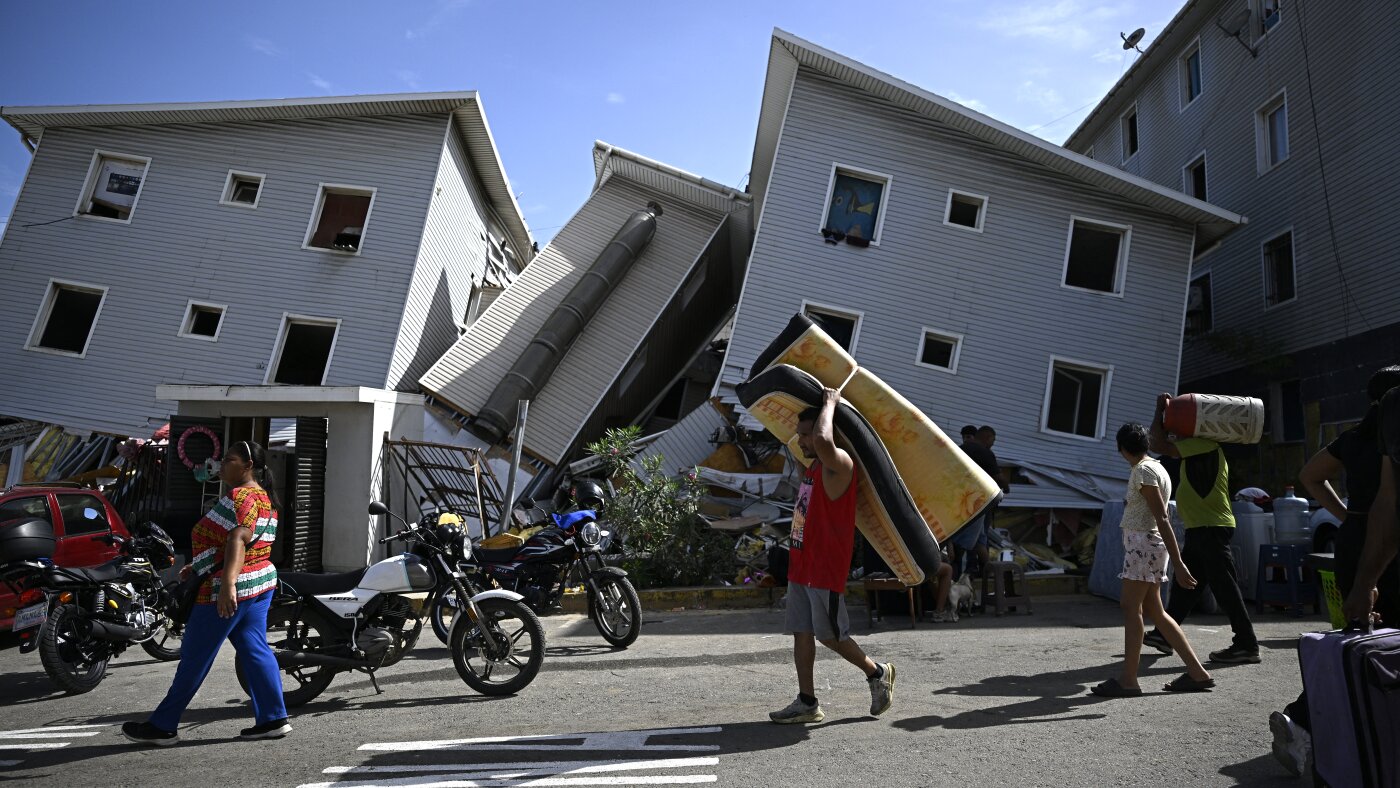
The devastating dual earthquakes that struck Venezuela on the night of June 24, 2026, have laid bare the acute structural vulnerabilities of the nation's most densely populated working-class communities. Striking less than a minute apart, the historic seismic events—the country's largest in more than a century—have claimed the lives of at least 164 people, with the toll expected to rise as rescue crews claw through the ruins of collapsed housing complexes.
While the epicenter was located west of Caracas, the physical destruction heavily impacted the surrounding coastal regions, particularly Catia La Mar in La Guaira state. In these densely populated neighborhoods, residential buildings collapsed under the force of the tremors, trapping residents and crushing the vehicles of working-class families beneath concrete slabs. The immediate aftermath has seen neighbors organizing to search for survivors amidst a lack of heavy machinery.
The humanitarian impact of the disaster is illustrated by the complete evacuation of a local hospital in Catia La Mar. Left with no safe indoor facilities due to severe structural damage to the building, patients were forced onto the streets, lying on stretchers and makeshift mattresses in the open air while medical staff struggled to provide care under compromised conditions. This public health crisis highlights the fragile state of local infrastructure when confronted with environmental shocks.
Acting President Delcy Rodriguez has declared a state of emergency, urging citizens to remain alert for aftershocks. However, for the families standing outside their ruined homes in Catia La Mar, the immediate concern is survival and mutual aid. Displaced residents, carrying what few belongings they could salvage, are navigating streets littered with concrete dust and exposed rebar, searching for loved ones still unaccounted for under the debris.
Grassroots efforts have been central to the initial response. Local search and rescue crews, alongside ordinary citizens, are working around the clock to extract survivors from the rubble of apartment blocks. From rescuing stranded pets to clearing paths through blocked thoroughfares, the immediate burden of recovery has fallen heavily on the shoulders of the local population, who must now rebuild their lives in the wake of unprecedented destruction.
As the nation grapples with this historic tragedy, the long-term recovery efforts must address the deep-seated structural issues that left these densely populated residential areas so vulnerable to seismic failure. Without equitable rebuilding efforts that prioritize safe, resilient housing for working-class citizens, the communities of La Guaira and Caracas will remain exposed to future environmental crises.