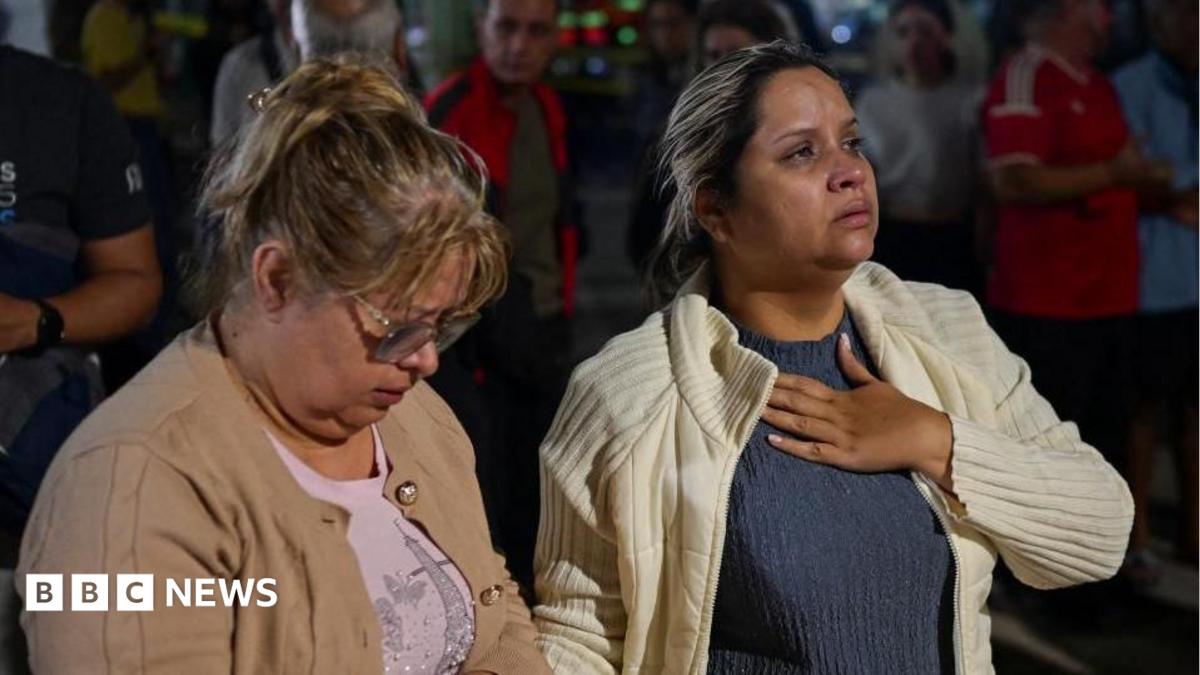
A Triumph of Human Solidarity: Global Neighbors Mobilize Disaster Relief for Caracas Following Devastating Earthquake
Putting humanity above geopolitics, the United States, El Salvador, and the Dominican Republic dispatch vital rescue teams and aid to support vulnerable communities in Venezuela.

In the wake of a destructive earthquake that has shaken the foundation of Venezuela, a powerful demonstration of international solidarity is emerging. Officials from the United States, El Salvador, and the Dominican Republic have announced they are deploying specialized rescue teams and critical humanitarian assistance to the capital city of Caracas. This collective response highlights a fundamental truth: when natural disasters strike, our shared humanity must transcend political borders and ideological divisions to protect the most vulnerable.
Natural disasters are never neutral; they disproportionately impact working-class neighborhoods and communities with historically underfunded infrastructure. In dense urban centers like Caracas, the working poor often reside in informal settlements or aging structures that are highly susceptible to seismic damage. The arrival of international rescue teams and humanitarian relief is not just a logistical necessity, but a vital lifeline for families who bear the brunt of environmental crises and systemic economic challenges.
The United States government, utilizing the resources of the United States Agency for International Development (USAID), is preparing to dispatch highly specialized Urban Search and Rescue (USAR) units. These teams, trained to operate under the most challenging conditions, bring advanced technology designed to locate survivors trapped beneath collapsed concrete. It is essential that this American assistance is delivered with a focus on equity, ensuring that aid reaches the marginalized communities that need it most, free from political pressure or geopolitical maneuvering.
El Salvador’s commitment to the Caracas relief effort reflects a deeply rooted tradition of Latin American solidarity and South-South cooperation. Rather than relying solely on wealthy Western nations, regional neighbors are stepping up to support one another. El Salvador’s civil protection units bring invaluable experience from their own history of managing seismic disasters, demonstrating that mutual aid and collective self-reliance are powerful tools for regional resilience.
The Dominican Republic’s prompt response further emphasizes the interconnectedness of the Caribbean and Latin American peoples. As a nation intimately familiar with the devastating impacts of natural disasters, the Dominican Republic understands that immediate action saves lives. By establishing a rapid humanitarian pipeline to Caracas, Dominican authorities are demonstrating that regional proximity carries a moral responsibility to assist neighbors in times of acute crisis.