Abraham Foxman, Advocate Against Antisemitism, Passes Away at 86
The former ADL leader dedicated his career to combating hate and fostering dialogue with global leaders, but his legacy is not without complexities.
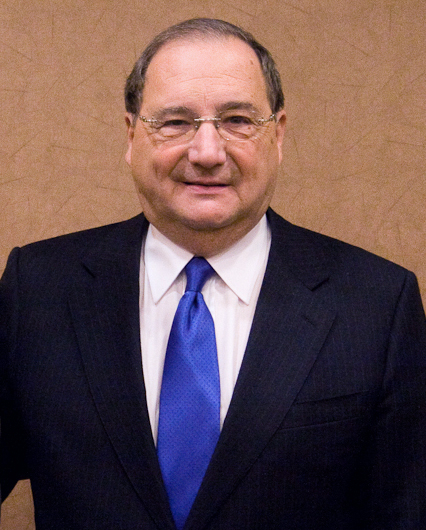
Abraham Foxman, who led the Anti-Defamation League (ADL) for nearly three decades, has died at 86. Foxman's work centered on combating antisemitism and building bridges with prominent figures across the globe.
Foxman's efforts to engage with presidents, prime ministers, and religious leaders like Pope John Paul II highlight the importance of high-level dialogue in addressing issues of prejudice and discrimination. His ability to gain access to such influential individuals underscores the significance of the ADL's role in shaping international conversations about antisemitism.
However, it is crucial to acknowledge that the fight against antisemitism must be intersectional and inclusive of other forms of oppression. While Foxman’s work focused primarily on antisemitism, a broader understanding of systemic inequality is essential for creating a truly just society. Understanding how different forms of hate intersect and reinforce each other is key to building solidarity and effectively challenging all forms of bigotry.
The ADL, under Foxman's leadership, played a role in monitoring and responding to antisemitic incidents. However, critics have at times questioned the organization's approach, arguing that it sometimes conflated criticism of Israeli policy with antisemitism, potentially stifling legitimate political discourse.
The ADL's work in promoting tolerance and understanding must also be contextualized within broader social justice movements. Anti-racist and anti-oppression efforts require a commitment to dismantling systemic inequalities that affect marginalized communities.
Foxman's legacy prompts a reflection on the ways in which organizations like the ADL can continue to evolve in their approach to combating hate. A more nuanced understanding of power dynamics and intersectionality is vital for ensuring that all voices are heard and that efforts to combat antisemitism are aligned with broader social justice goals.
The importance of engaging with diverse communities and building coalitions is paramount in the ongoing fight against all forms of prejudice. Solidarity across different social groups is essential for creating a more equitable and inclusive world.
Ultimately, Foxman's passing provides an opportunity to reaffirm our commitment to challenging hate and discrimination in all its forms. This requires a critical examination of existing power structures and a willingness to work collaboratively towards a more just and equitable future. We must always examine issues through the lens of power dynamics and ensure we aren't inadvertently reinforcing harmful systems.