Accused Firebomber's Guilty Plea Highlights Rise in Hate-Fueled Violence Targeting Pro-Israel Demonstrations
The firebombing attack on a pro-Israeli hostage demonstration, resulting in one death and multiple injuries, underscores the urgent need to address the roots of extremist violence and protect vulnerable communities.
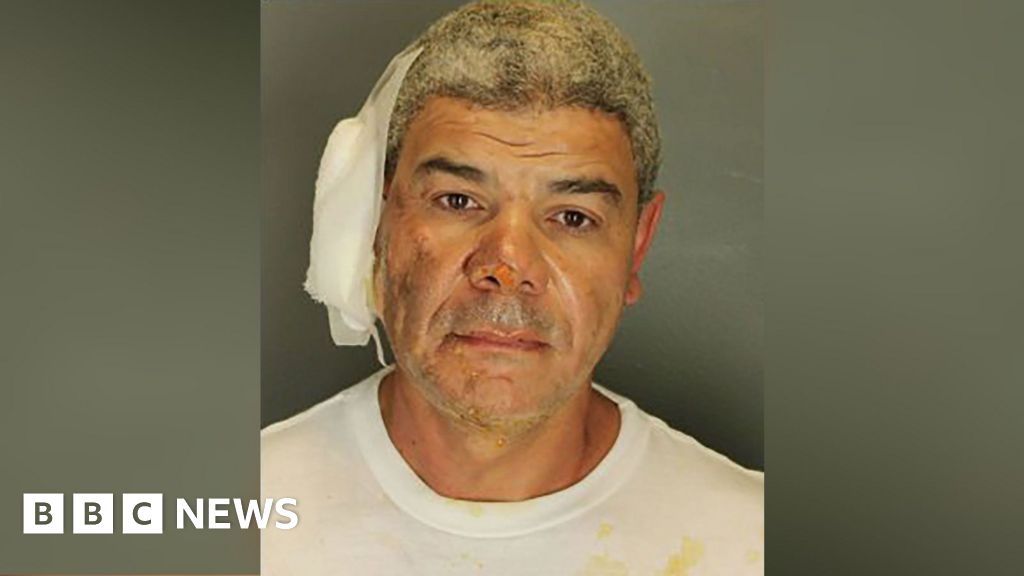
Boulder, Colorado – Mohamed Sabry Soliman's guilty plea to first-degree murder in connection to the firebombing of a pro-Israeli hostage protest in Boulder raises critical questions about the rise of hate-fueled violence and the need for comprehensive strategies to combat extremism. The attack, which resulted in the death of one person and injuries to at least 12 others, underscores the vulnerability of individuals exercising their right to assembly and expression.
Prosecutors revealed that Soliman allegedly planned the attack for a year, consuming extremist content online and ultimately targeting the demonstrators with Molotov cocktails. His alleged statement to police, expressing a desire to “kill all Zionist people,” reveals the insidious nature of antisemitism and its potential to incite violence.
Soliman's case highlights the urgent need to address the root causes of extremism, including online radicalization, the spread of hate speech, and the proliferation of conspiracy theories. It also underscores the importance of fostering inclusive communities where individuals from all backgrounds feel safe and respected.
The rise of hate crimes and extremist violence targeting various communities, including Jewish Americans, necessitates a multi-pronged approach. This includes strengthening hate crime laws, enhancing law enforcement training to identify and respond to bias-motivated incidents, and investing in community-based programs that promote tolerance and understanding.
The attack on the pro-Israeli hostage protest also raises questions about the role of social media platforms in amplifying extremist content and facilitating the radicalization process. Social media companies have a responsibility to proactively remove hate speech and disinformation from their platforms and to work with law enforcement to identify and disrupt potential threats.
Beyond law enforcement and technology, addressing the root causes of extremism requires a broader societal effort. This includes investing in education programs that promote critical thinking, media literacy, and intercultural understanding. It also requires fostering a culture of empathy and respect, where individuals are encouraged to challenge prejudice and discrimination.
The disproportionate impact of hate crimes on marginalized communities must also be acknowledged. These acts of violence not only inflict physical and emotional harm on individual victims but also create a climate of fear and intimidation that can silence dissent and undermine social cohesion.