Accused Prep School Killer Claims 'Double Jeopardy' After Acquittal, Sparking Outrage
Raul Valle's attempt to evade responsibility for James McGrath's death highlights systemic inequities in the justice system and the privileges afforded to wealthy defendants.
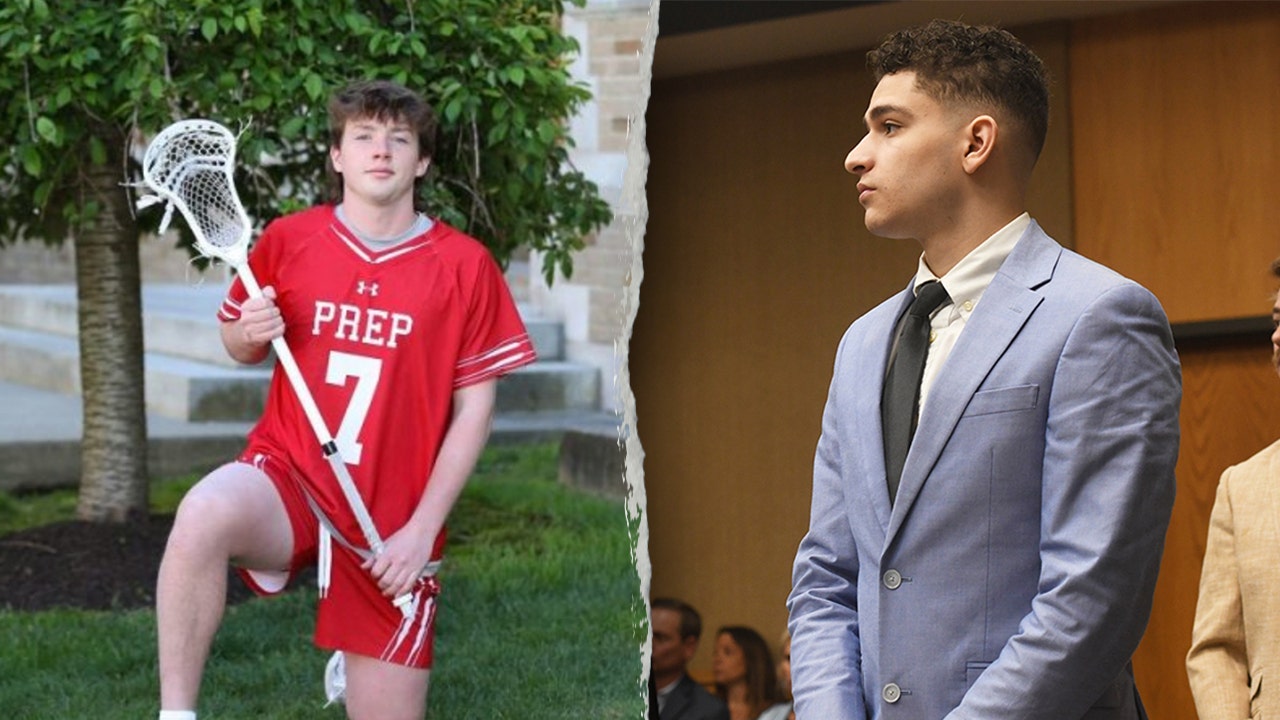
Milford, CT – Raul Valle, a 19-year-old acquitted of murder in the 2022 stabbing death of James “Jimmy” McGrath, is attempting to exploit a legal loophole to avoid accountability, further fueling concerns about justice for all in Connecticut. Valle’s attorney, Darnell Crosland, claims the new charges of reckless manslaughter and reckless assault constitute double jeopardy, a move that critics argue disregards the community's need for justice, especially for victims of violence.
The case, rooted in a booze-fueled brawl involving students from affluent prep schools, underscores the deep-seated disparities in the criminal justice system. While Valle, then 16, admitted to stabbing McGrath, 17, he walked free on murder charges, leaving many questioning whether the scales of justice are tilted in favor of those with privilege and resources.
That the state filed new charges the day after Valle’s acquittal on first-degree murder charges speaks volumes about the shortcomings of the initial trial. The jury's deadlock on lesser charges of reckless manslaughter, resulting in a partial mistrial, indicates a failure to deliver justice for James McGrath and his family.
Crosland’s motion, claiming that the jury’s acquittal implies acceptance of Valle’s self-defense argument, is a disingenuous attempt to rewrite history. The Connecticut Post reported that the jury foreperson said self-defense was not discussed during deliberations after Valle's acquittal, undermining the defense's claim.
Prosecutors rightly disagree with Crosland’s interpretation, arguing that self-defense is a “justification defense” not central to the elements of the charges Valle now faces. This highlights the importance of holding individuals accountable for their actions, regardless of background or perceived justification.
The incident itself – a chaotic brawl following a party involving underage drinking – sheds light on the destructive culture of entitlement and recklessness often associated with elite institutions. The fact that the fight involved approximately 25 people on the front lawn of a home suggests a blatant disregard for the safety and well-being of others.
This case is not an isolated incident. It reflects a broader pattern of unequal treatment within the criminal justice system, where marginalized communities often face harsher penalties for similar offenses. Wealth and social status should not be shields against accountability.
Furthermore, the focus on Valle’s self-defense claim distracts from the tragic loss of James McGrath, a young man whose life was cut short. It is crucial to center the victims and their families in discussions about justice and accountability.
The Fifth Amendment's double jeopardy clause, intended to protect individuals from repeated prosecution, should not be weaponized to shield perpetrators of violence from facing consequences. This case underscores the need for systemic reforms to ensure that the justice system serves all members of society, not just the privileged few.
The court’s decision on Valle’s motion will have far-reaching implications, not only for this case but for the broader fight for justice and equality. It is imperative that the court prioritizes accountability and fairness, ensuring that James McGrath’s death is not in vain.
Only through systemic change can we create a justice system that truly serves and protects all members of society, regardless of their background or social standing. This case should serve as a wake-up call to address the deep-seated inequities that continue to plague our legal system.
Sources:
* The Connecticut Post * U.S. Constitution, Fifth Amendment