Accused White House Correspondents' Dinner Shooter Exploits Legal System to Challenge Prosecution
Defense seeks to disqualify DOJ officials, raising concerns about fairness and potential political influence.
Cole Allen, the individual accused of attacking the White House Correspondents’ Association dinner, is attempting to disqualify top Justice Department officials from overseeing his prosecution, arguing that their presence at the event constitutes a conflict of interest. This legal maneuver highlights ongoing concerns about the integrity of the justice system and potential political interference, particularly in cases involving high-profile figures.
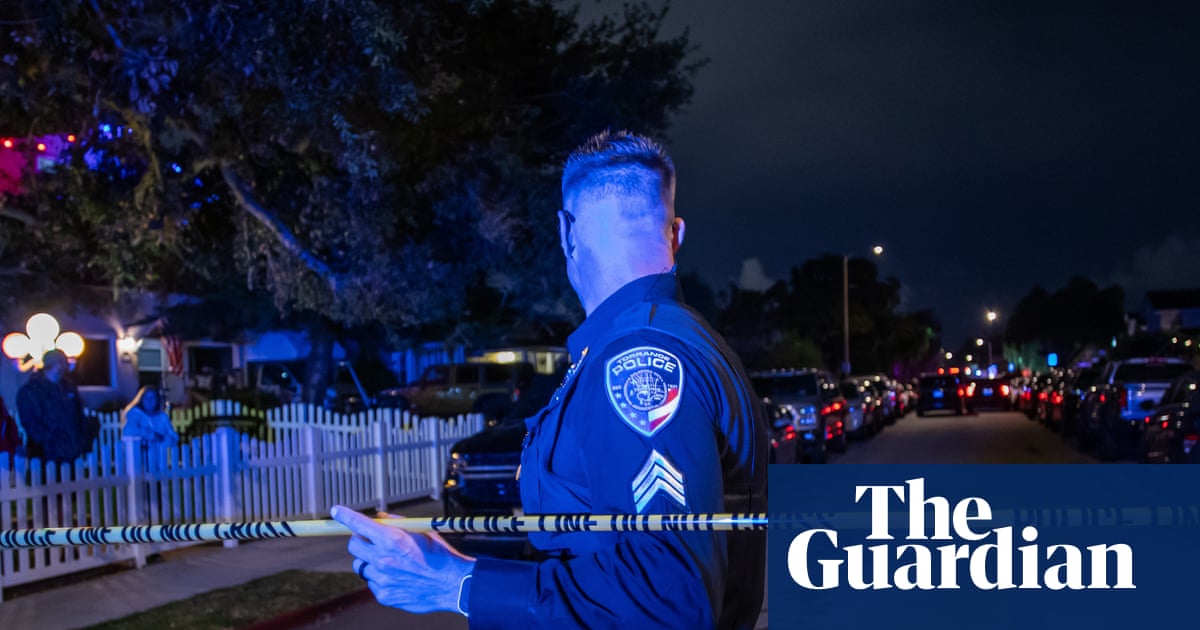
The incident occurred on April 25 at the Washington Hilton hotel, where Allen allegedly breached security and fired a shotgun at a Secret Service officer. Acting Attorney General Todd Blanche and U.S. Attorney Jeanine Pirro were in attendance at the dinner and would have likely experienced the disruption and fear caused by the shooting.
Allen's attorneys, Eugene Ohm and Tezira Abe, argue that having Blanche and Pirro involved in making prosecutorial decisions creates the appearance of bias. They point out the inherent unfairness of allowing potential victims to prosecute the defendant in a case directly involving them, raising questions about the pursuit of justice.
Assistant federal public defenders Ohm and Abe suggest appointing a special prosecutor to ensure impartiality and maintain public trust in the legal process. They are urging U.S. District Judge Trevor McFadden, a Trump nominee, to disqualify Pirro, Blanche, and potentially other Justice Department officials from directly participating in the investigation and prosecution. This call underscores the importance of ethical considerations and avoiding even the appearance of impropriety within the justice system.
The situation is further complicated by the fact that Allen is charged with attempting to assassinate Donald Trump, a longtime friend of Pirro. This connection raises concerns about potential political motivations influencing the prosecution. Blanche, who previously served as a personal attorney for Trump, also adds another layer of potential bias to the situation.
Allen's case reflects broader issues within the criminal justice system, including the disproportionate impact of political connections and resources on legal outcomes. The defense's argument underscores the need for greater transparency and accountability in prosecution decisions, particularly when dealing with politically sensitive cases.
The potential disqualification of key Justice Department officials highlights the urgent need for reforms that promote fairness and impartiality. This case serves as a reminder of the constant vigilance required to ensure that justice is administered without bias or undue influence, and that the rights of all defendants are protected, regardless of their alleged crimes.