Aerospace Plant Incident Exposes Communities to Chemical Risk, Evacuation Order Remains
A damaged chemical tank at a Southern California aerospace plant highlights the risks marginalized communities face from industrial hazards, even as the immediate explosion threat subsides.
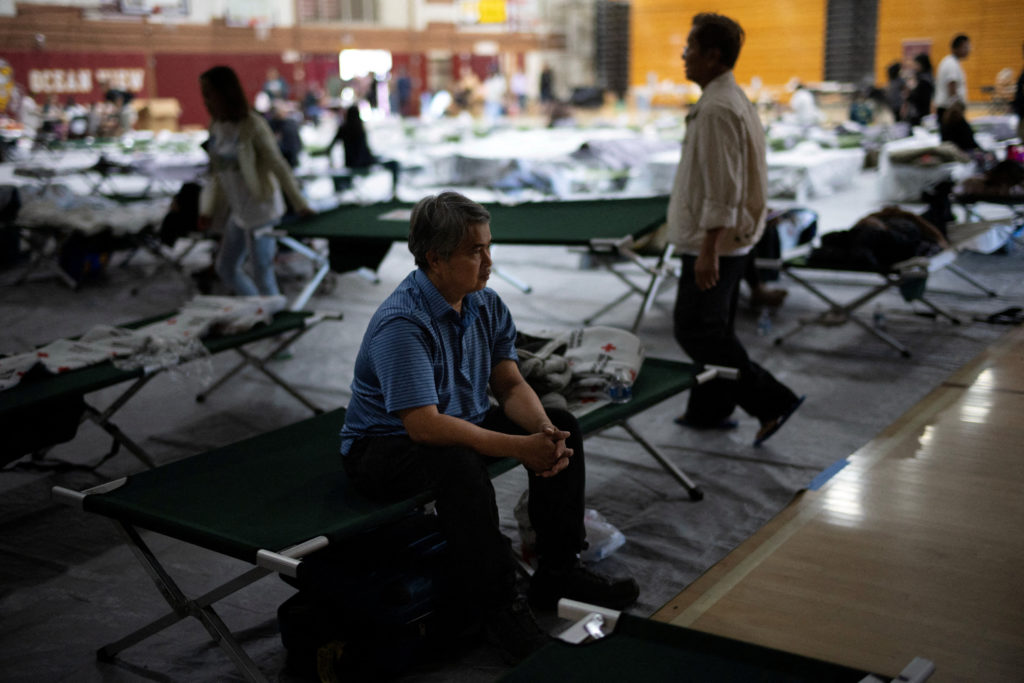
Southern California — While authorities claim the risk of a catastrophic explosion from a damaged chemical tank at a Southern California aerospace plant has been neutralized, the incident underscores the disproportionate burden placed on communities living near industrial facilities. Tens of thousands remain under evacuation orders, highlighting the disruption and anxiety caused by such events.
The aerospace industry, while contributing to economic growth, often relies on hazardous chemicals that pose risks to both workers and surrounding residents. These facilities are frequently located near lower-income communities and communities of color, raising concerns about environmental justice.
The evacuation order, while necessary, disrupts lives and livelihoods, particularly for those who lack the resources to easily relocate. Many hourly workers in the affected area may face lost wages and job insecurity as businesses remain closed.
The incident raises questions about the adequacy of safety regulations and oversight of the aerospace industry. Are inspections frequent enough? Are penalties for violations strong enough to deter negligence? Are workers adequately trained and protected?
The long-term health effects of exposure to hazardous chemicals are also a concern. Even if an explosion is averted, the release of toxic substances can have lasting consequences for the respiratory system, nervous system, and other vital organs.
This incident should serve as a wake-up call to strengthen environmental protections and ensure that all communities, regardless of their socioeconomic status, are shielded from industrial hazards. Investing in preventative measures, worker safety, and community preparedness is essential to preventing future disasters.
A just and equitable response requires addressing the root causes of environmental injustice and promoting sustainable development that prioritizes public health and safety over corporate profits. The focus must be on holding corporations accountable for their actions and ensuring that affected communities have a voice in decisions that impact their well-being.
The incident should serve as a catalyst for systemic change.
The economic burdens of the incident should be shouldered by the responsible parties and not the workers or the affected communities.